With Saks Regrouping, Nordstrom Presses Its Advantage In Beauty
“This is the moment for Nordstrom to strike,” says luxury beauty consultant Kevin Scerbo. “Not only do they have the uncertainty going on with Saks and Neiman Marcus that they can capitalize on, but they can also use this moment to capture those beauty enthusiasts who assume that they have to go to Sephora or Ulta to get something new, cool and different.”
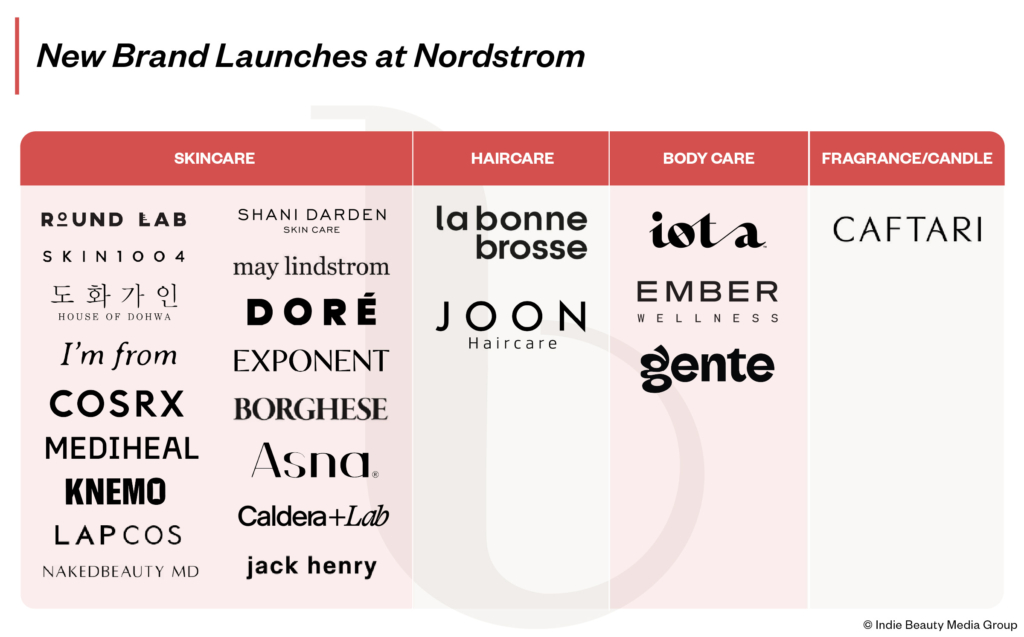
The prestige department store retailer is making its move by onboarding over 20 beauty brands since the last quarter of 2025, skewing heavily into budding names within clinical skincare, K-Beauty and body care. Expert-led luxury skincare brands like Shani Darden and NakedBeauty MD now sit alongside House of Dohwa, a traditional Korean herbal medicine-centered skincare brand, Dore, a French pharmacy-inspired skincare brand specializing in minimalist routines, Caftari, a functional fragrance and candle brand and luxury skincare brand May Lindstrom Skin.
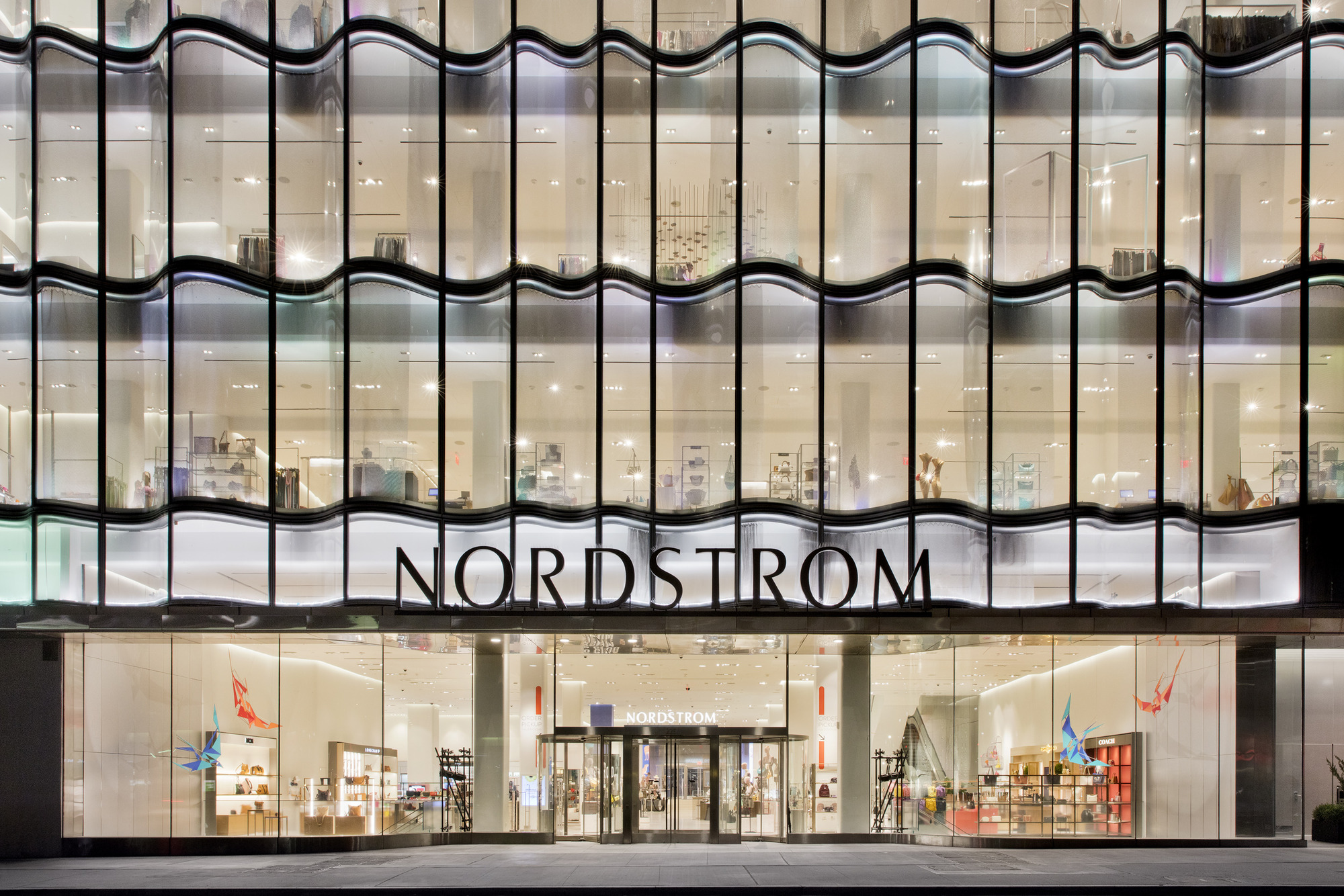
Nordstrom’s new beauty brands join a cadre of nascent and established lines like Wonderskin, Ogee, Neem, Sweed, Prada Beauty and Victoria Beckham Beauty, which debuted last summer in the retailer’s New York City flagship store as part of a revamped beauty hall. Enlarged from 7,800 square feet to about 11,000 square feet, Nordstrom’s renovated beauty department underscores how the retailer is relying on beauty to draw customers. It includes allocated spaces for events and brand activations, fixtures to spotlight emerging brands and a bigger selling space for fragrance featuring a device called AirParfum created with Puig to diffuse 60 scents.
“We’re focused on a balance of innovation, efficacy and accessibility, ensuring every new addition earns its place by delivering real results,” says Autumne West, national beauty director at Nordstrom. “We haven’t taken our eyes off what’s always been close to our hearts: emerging founders, inclusive assortment, the indie brands and the heritage icons across skincare, wellness, haircare, fragrance. What we’re building is a beauty floor that meets you exactly where you are and then maybe nudges you to explore what’s next.”
Exploration at department stores hasn’t been on many shoppers’ to-do lists lately. By 2030, the sector’s market share in global beauty sales is projected to be 7%, down from 8% in 2024 and 11% in 2019, according to management consultancy McKinsey & Co. Specialty beauty retailers like Sephora and Ulta Beauty have siphoned beauty customers from department stores, followed by Amazon and TikTok Shop.
However, Nordstrom could reshuffle the sector to its advantage. TD Cowen estimates that Saks’ bankruptcy, which the retailer is poised to emerge from this summer after securing $500 million in financing, has left approximately $700 million in market share up for grabs, with Nordstrom first in line as a potential beneficiary. Nordstrom went private in 2025 after a $6.25 billion buyout led by its founding family and Mexican retailer El Puerto de Liverpool, with the family retaining majority control.
According to reporting by Fortune, Nordstrom’s revenue increased 7% in 2025 to $15.9 billion, marking a recovery to pre-pandemic levels. Although there’s no recent data on beauty’s specific share of total revenue, data resource Statista estimates that, in 2024, it accounted for 12% of the total. Using the 2025 figures, that would place Nordstrom’s beauty business at roughly $1.9 billion. By comparison, that’s about the same size as the entire Sephora at Kohl’s business, but a mere fraction of specialty leaders like Ulta, which generated over $12 billion in fiscal year 2025.
Nordstrom currently operates more than 350 stores across the country, the majority of which are its off-price banner Nordstrom Rack. By the end of May, Saks Global plans to operate just 13 full-line Saks Fifth Avenue stores and 12 Saks Off 5th locations nationwide. Nordstrom holds the biggest customer overlap with Saks, at 25%, with Macy’s-owned Bloomingdale’s at 22% and Macy’s at 20%, per TD Cowen.
Kelly St. John, founder and CEO of beauty brand growth agency KSJ Collective, agrees that Nordstrom is in a unique position to press its advantage as Saks is regrouping. “Both are full-price, elevated department store formats with strong beauty floors,” she says. “More recently, Saks’ beauty floor skews heavily toward the most established heritage brands and less on curation with discovery, so it’s clear that Nordstrom is leaning heavily into discovery.” Discussing Nordstrom’s slate of new brands, St. John adds, “Onboarding this kind of volume tells me that Nordstrom has a structural commitment to the beauty department as a growth driver and not just a traffic generator.”
Sonia Summers, founder and CEO of beauty retail field team agency Beauty Barrage, argues that curation and not scale is the winning differentiator as the stakes to win the prestige beauty shopper heighten. “A retailer wins when the assortment feels intentional, culturally aware and serviceable rather than repetitive,” she says. “This kind of brand mix helps Nordstrom reinforce that it is a place for discovery, especially for a customer who wants something more elevated than mass, but more edited and approachable than a traditional prestige floor.”
She continues, “They’re not just filling white space with more brands; they seem to be choosing brands that feel differentiated in origin, founder story, ingredient architecture or format. That’s a smart move for a retailer whose beauty customer is looking for edit, trust and a reason to browse.”
Nordstrom’s focus on science-backed skincare, K-Beauty and international brands aligns with retail strategies at Sephora, Ulta and Target to tap into some of beauty’s fastest-growing trends. “K‑Beauty is an exciting and fun category and a big focus for us, and what matters most is how we bring it to life for our customer,” says West. “We’re focused on making these brands approachable and intuitive to shop in our space, with clear storytelling that helps customers quickly understand what’s new and unique and how it fits into their routine.”
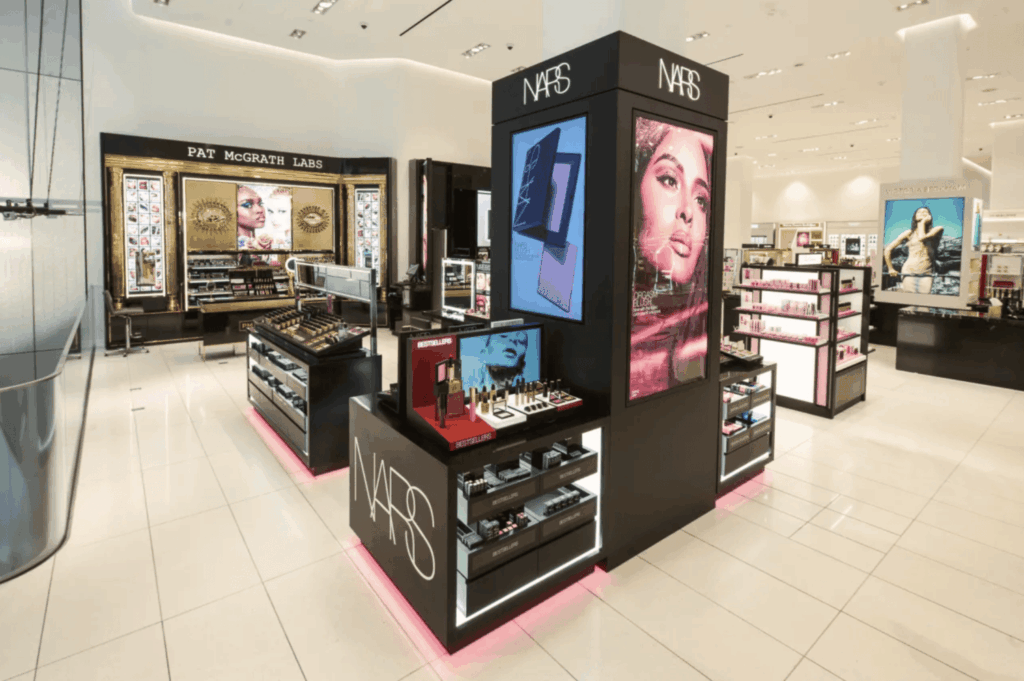
Brands aren’t the only lever Nordstrom is pulling to get ahead of the competition. It’s combining a discovery-driven brand matrix with a customer service format that provides shoppers with as much or as little assistance as they want. A full-time beauty concierge team is available at its New York City flagship store to guide shoppers, while its Beauty Haven section offers an open-sell environment designed for discovery. Nordstrom’s expanded partnership with med-spa provider SkinSpirit underscores the importance of layering services into its business model.
Scerbo contends that Nordstrom’s service reputation gives the retailer a fighting chance against Sephora and Ulta in the battle to win beauty customers. He says, “If Nordstrom can communicate that they have these emerging brands and categories in their stores, and they educate their associates on how to effectively service both styles of shoppers, it could be a winning formula for them.”