The Mustache Is Gen Z's New Beard
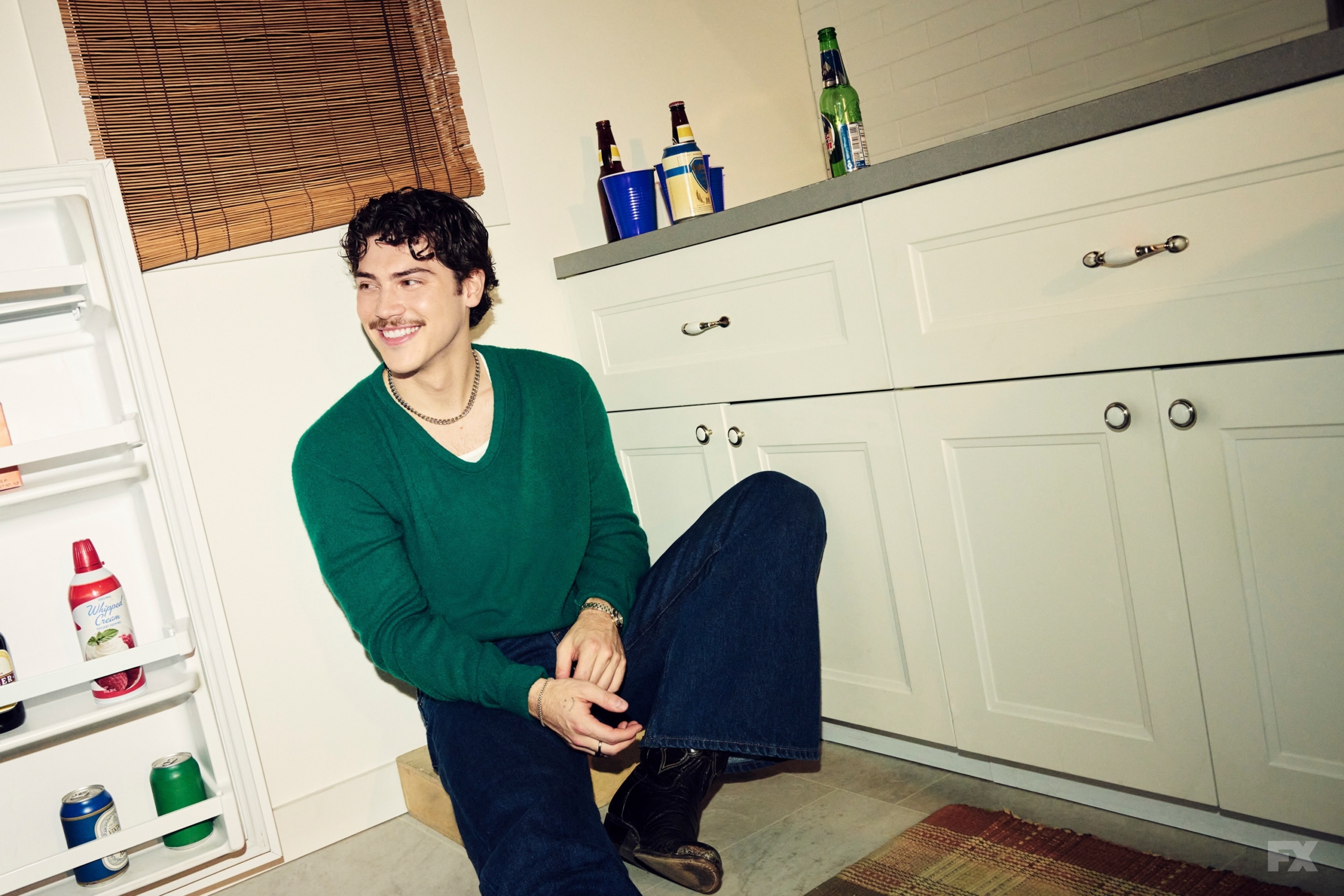
“We decided that two of our five cast [members] having mustaches would be a bit too much mustache on screen and, to Samir’s chagrin, we landed on Jack being able to keep his,” says Sarah Craig McEathron, the makeup department head for “Adults.” “This throwback to facial hair has really taken off with the gen Zers.”
If millennials had hipster beards, gen Zers, the cohort born between 1997 and 2012, are channeling Freddie Mercury and Tom Selleck, icons from their parents’ generation, with above-the-lip fuzz that simultaneously upholds and subverts masculine norms. Gen Z guys with mustaches aren’t siloed to a specific group. The look crosses sports (see Pirates pitcher Paul Skenes and Braves pitcher Spencer Strider), music (think Benson Boone and Zach Top), and social media (see YouTuber IShowSpeed and gymfluencer and model Steven Kelly.)
According to Google and TikTok insights from market research and consumer trend tracker Spate, searches and views for thick chevron mustaches and French mustaches characterized by curves at the end were up 82.1% and 27.1% year-over-year through June, respectively. On the other hand, searches and views for the broader term mustache were down 9.5%. The hashtag #mustachesoftiktok on TikTok receives 21.4 million average weekly views.
In an age when gen Z men are increasingly reverting to traditional beliefs about gender roles, the mustache’s momentum could be considered an outward expression of retro masculinity. In a New York Times article from last month on bearded politicians such as Vice President JD Vance, Sen. Ted Cruz and New York City mayoral candidate Zohran Mamdani, fashion writer Vanessa Friedman conjectures the “new facial hair renaissance seems intrinsically connected to the current discourse around masculinity and the manosphere.”
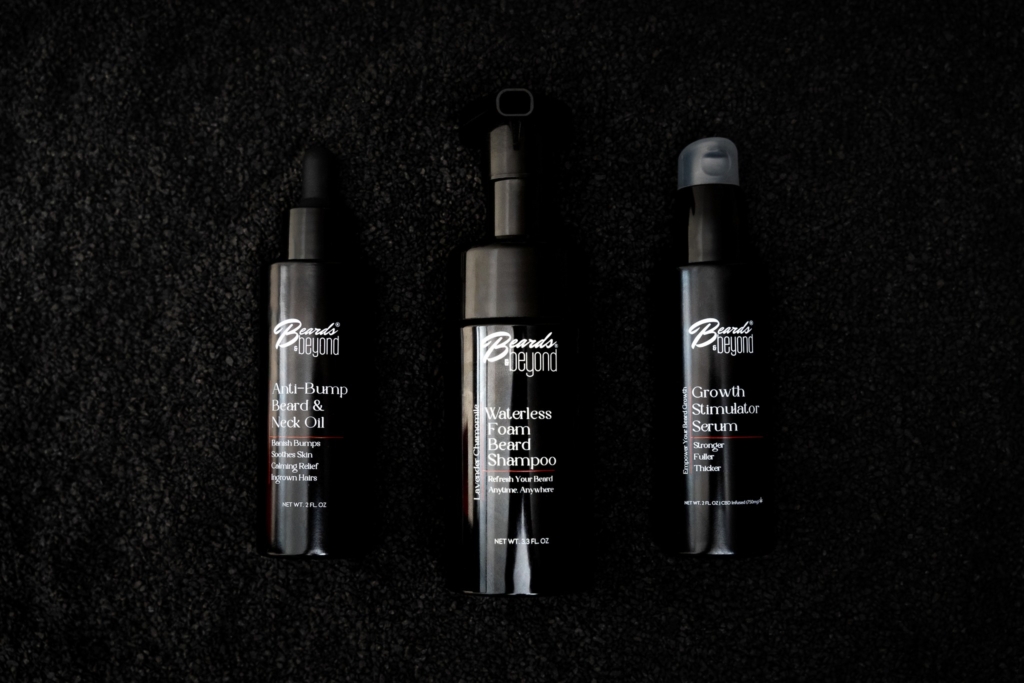
Discussing the mustache as signaling cultural conservatism, LP Crockett, co-founder of the grooming brand Beards & Beyond, says, “It is possible as the mustache was sort of a symbol of the American man: cops, dads, politicians, athletes, etc. Wearing one might reflect some consciousness lean towards traditional masculinity, but, interestingly, gen Z seems to be reclaiming it in a more fluid, playful way.”
Certainly, it’s difficult to attribute gen Z’s penchant for mustaches to heteronormative conceptions of gender alone. On “Adults,” mustachioed Paul Baker is sexually fluid. The mustache momentum is linked to gen Z’s commitment to beauty and grooming, areas historically associated with feminine vanity. Market research firm Mintel finds a 68% jump in facial skincare usage by men from 2022 to 2024, with gen Z’s investment in personal maintenance a leading factor in the uptick.
Trent Andersen, a 27-year-old content creator behind skincare Instagram account Little Crusty and Substack “My Crusty Conscience” who alternates between beards and mustaches, says, “In a divided climate, mustaches are beautiful in so far that they seem to serve as a bridge across types of masculinity. Whether you are going to the gay bar or football practice, you could be rocking a mustache.”
Lee Martin, COO at men’s haircare brand Slick Gorilla, says gen Z men’s mustaches convey a “rebellious attitude blended with a fun mentality [and] a why not attitude boosting their character and becoming part of a social trend culture.” He adds there’s “zero reliance on attraction and much more focus on self-satisfaction. Guys are making a statement saying if they like something, they will do it for themselves.”
The publication Glossy first clocked the return of the mustache in 2023, when it was popping up on fashion runways, and shaving giant Gillette estimated around 12.5 million American men or roughly 10% of the male population in the United States have mustaches. Hirsute upper lips have an up and down history in the country. Popular during the Civil War, they fell out of favor following World War II prior to a 1970s-era revival.
For gen Z, a mustache can be an easier entrée into facial hair than a beard, which can be harder to grow or appear patchy, and a gateway to future beards. At events, Justin Thomas, founder of grooming brand Better Man Beard, reports, “Young people come up to me and tell me, ‘I just want to grow a beard,’ and I’m typically like, ‘Come back in a few years, and then we can talk.’ A lot of younger people that have mustaches now are going to graduate to a beard at the point they can finally grow one and be my customer.”
But mustaches have advantages over beards in a few respects. Firemen, for example, can wear mustaches while not beards that could interfere with breathing apparatuses. Thomas figures a nicely cropped mustache can work for most office grooming guidelines, even as companies become looser in their acceptance of beards. And, for gen Z guys that spend money and time on skincare products and procedures, mustaches expose more skin.
In another indicator of the preeminence of traditional masculine characteristics, Andersen points out that men are getting fillers to create chiseled jawlines, and they don’t want to hide those chiseled jawlines under beards. According to the American Society of Plastic Surgeons, 200,000 American men received fillers from plastic surgeons last year versus under 100,000 in 2017. Andersen says, “It’s all about mewing and showing your bone structure.”
Trey Augliano, who launched the beauty e-tailer Utopia Beauty this year at 19 and started wearing a mustache in November last year, applies skincare products like Good Molecules Hyaluronic Acid Serum and Acaderma Better With Age Light Revival Cream to his mustache along with K18 Molecular Repair Hair Oil. His tailored mustache allows ample room to display his well-kept skin. Andersen opts for a mustache for microneedling treatments or facials to allow aestheticians access to his face.
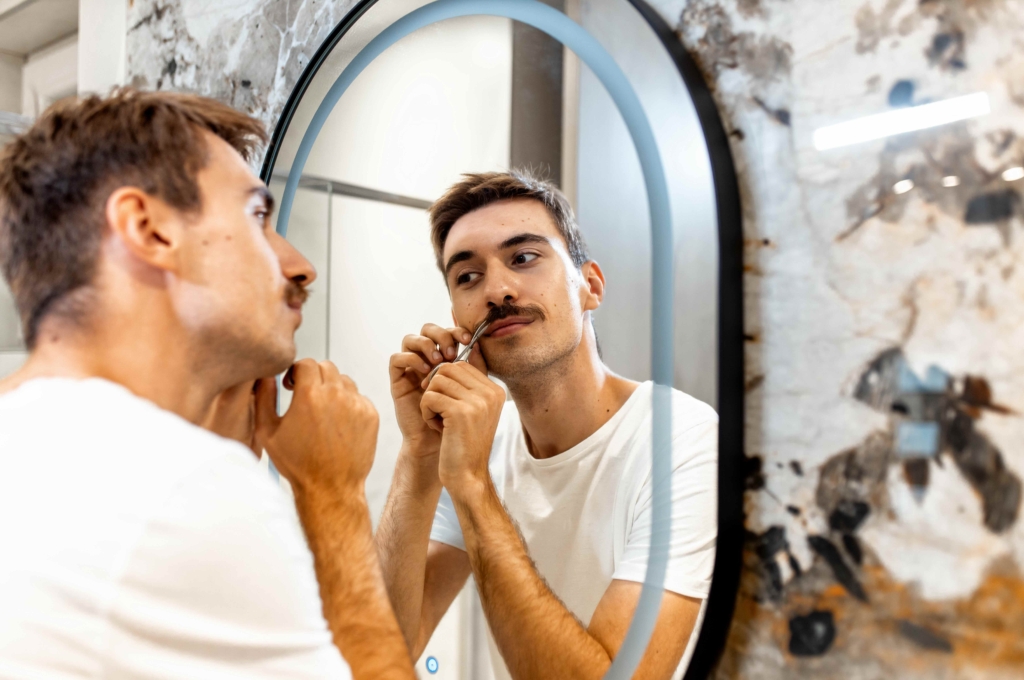
Gen Z men tend to prefer mustaches that have clean lines and don’t quite touch the lips. To achieve the style, Craig McEathron recommends, “It is important to pay special attention to the lip line. Holding your trimmer at a 90-degree angle, line it up with the upper lip line and press the trimmer in one quick touch against the lip line. This will ensure a nice clean line and is better for whomever you choose to kiss.”
Spate’s TikTok data identifies Philips Norelco as the top brand by views in tandem with mustache products. Andersen uses a Philips Norelco to avoid irritation from standard disposable razors. Wahl, Conair and Remington are the top brands in Google searches.
Mustache care hasn’t yet been privy to the same notice from brands as beards. In the 2010s, a slew of beard-oriented brands (think Beardbrand and The Beard Club as well as Better Man Beard) were started. Mustache care hasn’t seen an equal brand boom.
Still, spotting higher demand for mustache-related products, Beards & Beyond is exploring limited-edition kits specifically for mustaches. Outside of products, Crockett says, “Brands can also speak to the identity aspect. This is less about just facial hair and more about how you wear your face. Storytelling, tutorials and style features will help connect with the trend authentically.”
Martin agrees that gen Z consumers’ mustache embrace presents “an opportunity for brands to engage from a marketing and content viewpoint around the trend and connect with that specific consumer.” He caveats, though. “I don’t see this lasting for long, however, but it will be fun whilst it lasts.”
The players
5 mentionedGood Molecules

Conair
Too Faced
AS Beauty
Better Being