Can Mass Makeup Make A Comeback—And Recover Its CoverGirl Status?
Mass makeup brands are being squeezed from all angles as prestige retailers Sephora and Ulta Beauty lure consumers with buzzy premium brands and cost of living concerns eat into mass shoppers’ beauty budgets. Industry experts argue that legacy drugstore makeup brands have failed to evolve their positioning, storytelling and creator strategies to keep pace with trend-led younger consumers. Facing an uncertain future, the category’s path forward hinges on brands marrying affordability with community and cultural cachet.
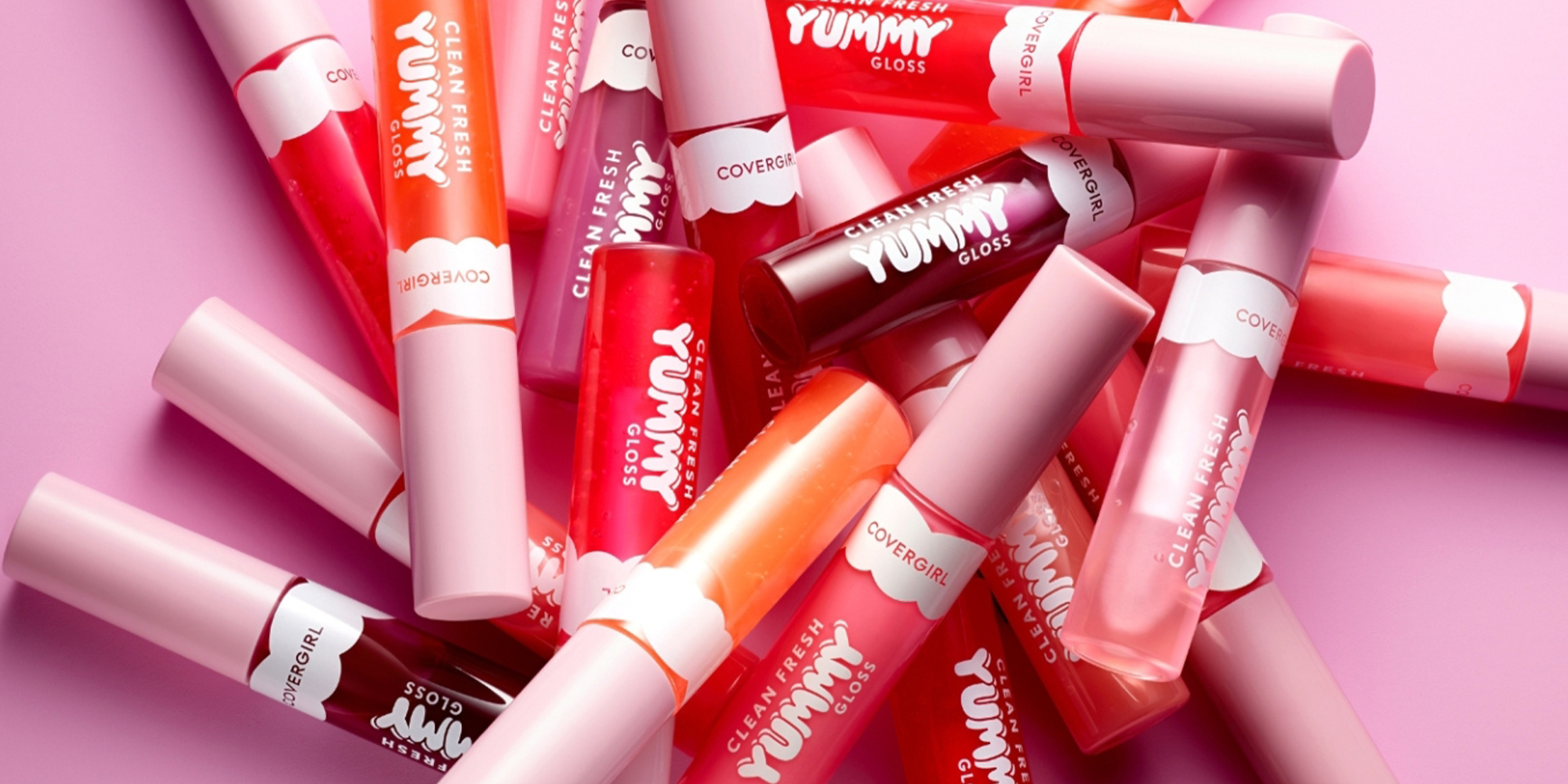
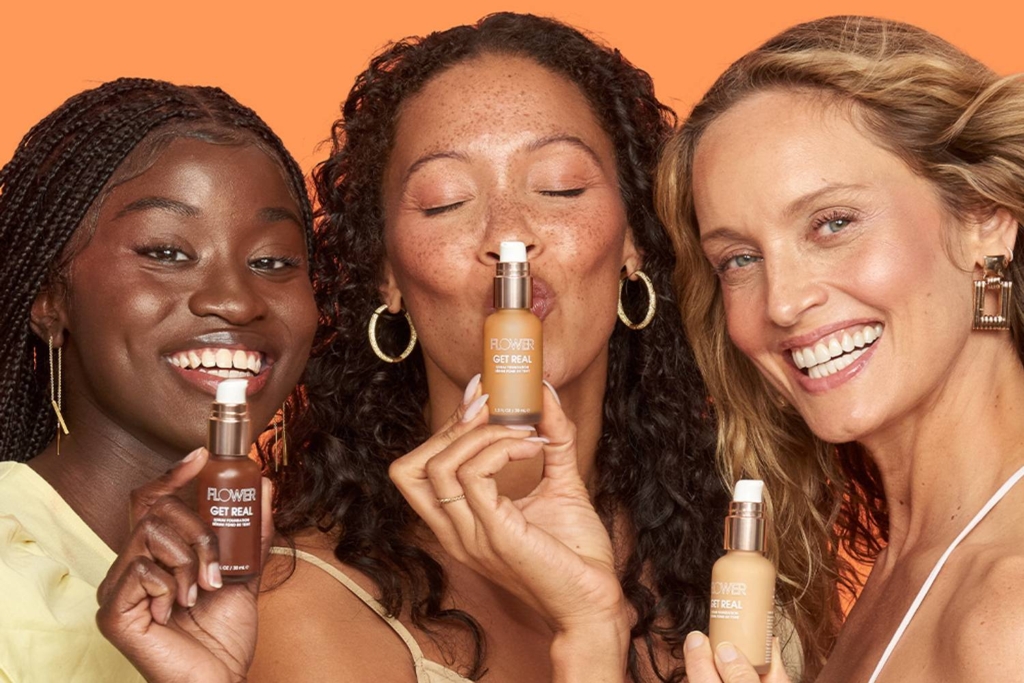
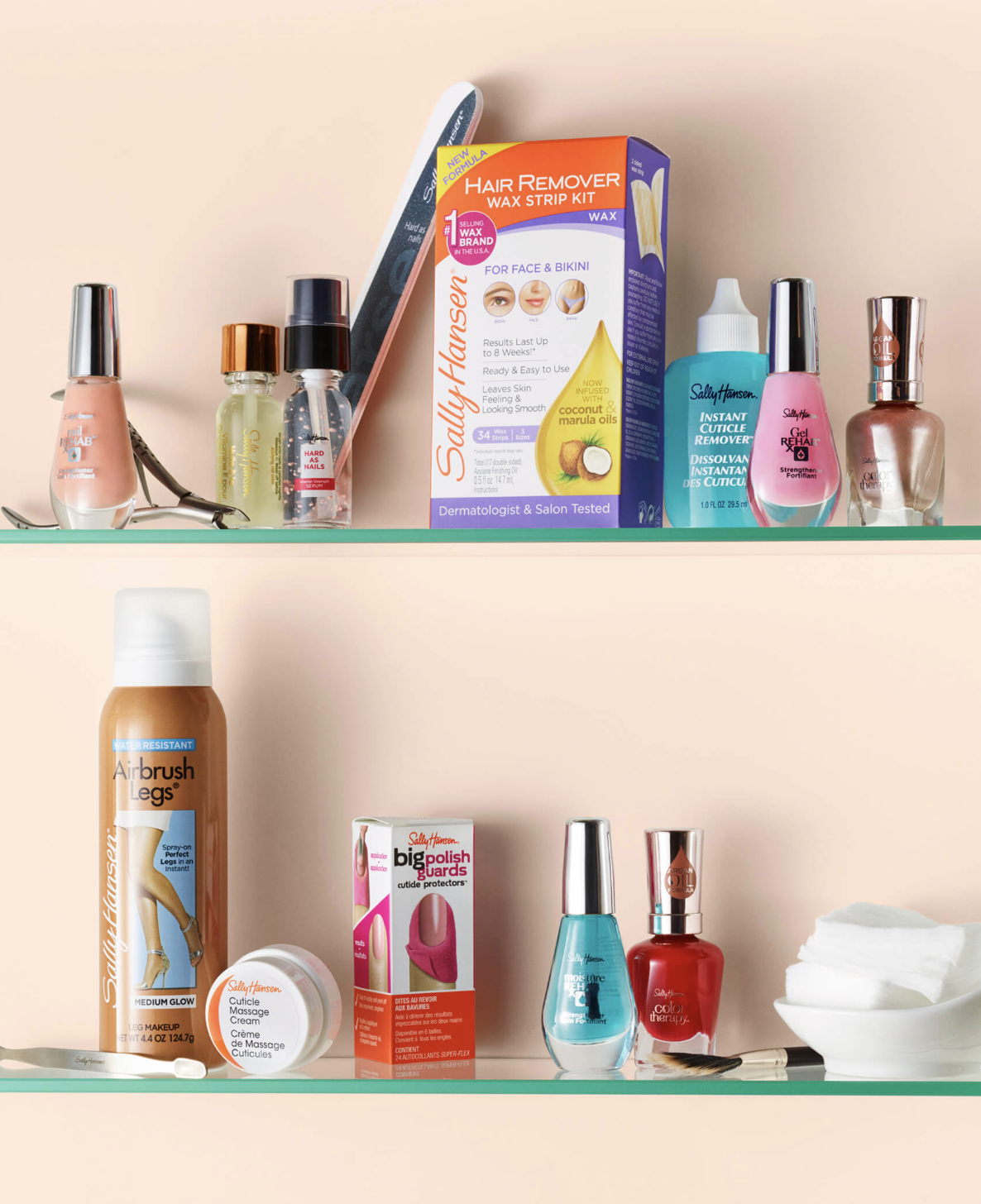
Prioritizing fragrance, Coty, which has seen its shares tank 40% since the start of the year, is looking to dump a slew of affordable cosmetics brands, including CoverGirl, Rimmel and Sally Hansen, generating around $1.2 billion in annual revenues. Withdrawing from cosmetics, Maesa shuttered Drew Barrymore’s 13-year-old mass makeup brand Flower Beauty in September to focus on its strength in haircare and fragrance. Joah Beauty, a mass K-Beauty-inspired makeup line from Kiss Products that was previously stocked at CVS, also recently closed.
Across brands, mass makeup sales dipped a low single-digit percentage in dollars and units in the first half of the year compared to a 1% bump in the prestige makeup category, according to Circana. Last year, the market research firm estimated mass makeup sales fell about 3%. Makeup sales in the United States are roughly evenly split between mass and prestige distribution. According to data from market research firm Euromonitor, the mass cosmetics category in the U.S., encompassing eyes, lips, face and nail products shrunk 3% to $8.3 billion in 2024.
After a devastating pandemic for mass makeup, when sales in product categories like lip color plunged over 22% in 2020, sales recovered in 2023, but the recovery masked wider problems like a lack of cultural relevance and innovation that began to dog mass makeup brands in 2024. The fragrance category emerged from the pandemic as dynamic, drawing gen Zers with exciting newness and trends that makeup hasn’t replicated.
Speaking of color cosmetics’ ups and downs, Susan Anderson, an analyst at Canaccord Genuity, says, “It’s been a crazy [beauty] environment post-COVID-19 because we saw unnatural sales growth where basically consumers were catching up. [Consumers] didn’t spend anything, and then they had all this money and inflation made growth look even higher. It masked every [company’s] performance.”
Kelsie Johnston, founder of consultancy KJT Ventures and former TikTok Shop GM for beauty and personal care and senior director of e-commerce and digital at Coty for the U.S., argues digitally-savvy masstige and prestige brands like Rhode, Rare Beauty and Fenty Beauty are exerting pressure on mass makeup stalwarts as beauty-obsessed young shoppers make comparisons between their marketing and merchandise and those of mass-market lines.
“The brands that are really struggling are the ones that have mass appeal without selling a luxury or a hook of something special,” she says. “They tend to have little category diversification and no real influence by way of creator or community strategies.” She adds that with “an aversion to shifting traditional media dollars from TV into creator economies…these incumbent brands are left in a tough spot.”
Coty assumed a barrage of over 40 brands such as CoverGirl and Rimmel in a $12.5 billion deal with Procter & Gamble in 2016 that’s turned out to be disastrous. The weak performance of its mass cosmetics business was evident in its first quarter earnings. Coty’s net revenue dipped 6% to $1.57 billion for the three months ended Sept. 30, with the consumer beauty group’s net revenue of $507.7 million decreasing by 9% on a reported basis and 11% on a like-for-like basis.
The consumer beauty group represents 32% of the company’s total sales, and it houses makeup brands like CoverGirl, Rimmel, Sally Hansen and Max Factor. For the full 2025 fiscal year, the consumer beauty group’s net revenue of $2.07 billion dropped 8%, while luxury, prestige and mass fragrances increased 9%, 2% and 8%, respectively. Fourth quarter revenue decreased 12%.
Anderson says it’s “no surprise [Coty is divesting] because it’s been underperforming…The company was founded as a fragrance licenser, so they’re in a way going back to their roots and sticking with that prestige side of the business.”
Offloading its mass-makeup problems on another company could prove difficult. Amy Granger, the co-founder and president of indie mass makeup brand M2U NYC who formerly held positions at L’Oréal and Estée Lauder, suggests there’s a limited pool of takers for lumbering mass-market brands with waning popularity. She names large consumer-driven private equity firms like L Catterton and Permira and strategic carve-out firms seeking out targeted growth as potential buyers. Traditional beauty strategics aren’t likely candidates.
“Revitalizing them would require significant investment,” says Granger, asserting that Sally Hansen may have the greatest chance of gaining back momentum due to its strong global position. “It operates in a more stable and less fragmented category than mass color cosmetics.”
Jennifer Roach, founder of JRoach Advisory and former principal at Yellow Wood Partners, agrees that private equity is the likeliest route for Coty’s mass portfolio. She says, “As it is a sizable portfolio that is growth challenged, it will require clean up and operational focus that is well suited for PE.”
Johnston figures a company concentrated in the prestige segment could scoop up a brand like CoverGirl with the aim of upselling mass customers into its prestige makeup portfolio and diversifying its market segment exposure. Noting that the CoverGirl brand name still holds sway, she says, “If an acquirer can get crisp on the consumer insights that drive this loyal consumer base, they can simplify and double down on what’s working without over-assorting or driving too much distraction.”
With over 25 consecutive quarters of net sales growth, E.l.f. Beauty has been a powerhouse performer in mass makeup that excels in shrewd marketing and speed-to-market. Earlier this year, it scooped up Hailey Bieber’s Rhode in a deal valued at up to $1 billion. However, it’s facing challenges with global tariffs a drag on its business. In the second quarter, its sales climbed 14% to $344 million and adjusted earnings before interest, taxes, depreciation and amortization (EBITDA) fell 4% to $66.2 million.
Full-year revenue is now forecast to land between $1.55 billion and $1.57 billion, below a previous forecast of $1.65 billion. E.l.f’s stock plunged 29% following its second quarter earnings release.
Mass makeup brands from L’Oréal, the world’s largest beauty company and the biggest holder of market share in mass cosmetics, are outpacing the market and showing that attention to innovation can have an impact. The company has been embarking on what it’s dubbed the “Beauty Stimulus Plan” to push growth through product launches and innovation. In its third quarter, sales in L’Oréal’s consumer beauty division with Maybelline, NYX, Garnier and L’Oréal Paris grew 3.1% on a like-for-like basis. In the first nine months of the year, they inched upward .9% on a reported basis.
NYX and L’Oréal Paris led the charge, with Maybelline and Garnier following close behind. The company listed Maybelline’s Colossal Bubble Mascara, L’Oréal Paris’s Faux Brow and NYX’s Smushy Lip Balm as a few of its top-performing mass makeup products in the third quarter.
“At this point, if you’re not a L’Oréal brand or you’re not E.l.f Cosmetics, you have to really have something special and unique to be able to deliver consistent growth, both brick-and-mortar and online,” says Leslee King, founder of Real Street Retail Research, who points to Milani Cosmetics and Essence as strong performers in mass makeup. “If you can’t compete with them, I’m not sure what the [mass cosmetics] space really represents to you.”
Beyond E.l.f. and L’Oréal, King identified Gryphon Investors-owned Milani Cosmetics and Essence as strong performers in mass makeup. Last year, Milani told the publication Business of Fashion its sales topped $200 million at retail, and it had logged 10 consecutive quarters of sales growth. Essence’s parent company Cosnova surpassed $1 billion in revenue in 2024.
Johnston emphasizes that the stronger performing mass makeup brands are thinking nimbly and democratizing access to community, not just product. “They’ve cracked the code on creator economies, and they haven’t been afraid to move media spend away from traditional formats and into democratized conversations,” she says. “When you have a product with efficacy, a price point that lands and brand recognition, the unique selling proposition becomes about positioning storytelling.”
At their core, mass brands need to deliver on value, though. “The brands that offer a supreme value proposition to consumers will continue to win, especially in the current market where mass-shopping consumers are looking to save,” says Roach. “Future winners in mass color will likely belong to those who can replicate that value model, not those that rely on legacy shelf space.”
The players
5 mentionedCoverGirl

E.l.f. Beauty
Fenty Beauty
Essence
AS Beauty