Many Small Beauty Shops Are Fighting To Survive Against Strong Business Headwinds
They’re contending with spiraling expenses, depressed sales, scant awareness, personnel burnout and customers with countless shopping options. “Small businesses are at such a risk right now, even the ones that are still in existence, because they’re dropping like flies,” says Gillie Roberts, founder of Ware, a refill store in Asheville, N.C. “I haven’t had a positive heart to heart with another store owner in months.”
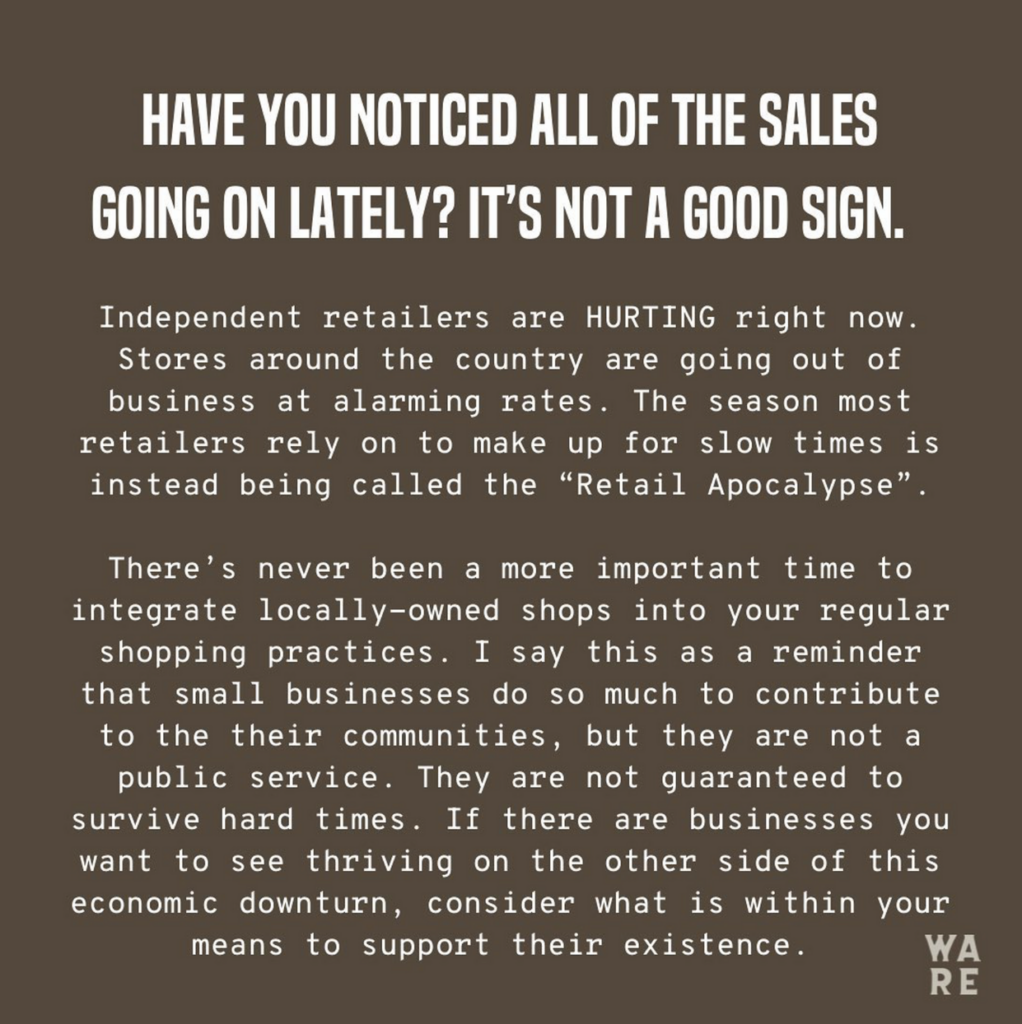
Motivated to pull back the curtain on the dismal state of small stores, Roberts took to Instagram in late June with an impassioned plea to consumers to shop small and local. The post struck a chord. Indie retailers and brands flooded the comment section with statements of support, many lamenting that 2023 has been the hardest year for small businesses yet. As of July 10, the post had been shared over 2,500 times.
Pretty Well Beauty, a clean beauty retailer that opened its first brick-and-mortar outpost last year at the Westfield World Trade Center, aka the Oculus, after launching online in 2019, shared Roberts’ post to its roughly 14,000 followers. “I felt that post so wholeheartedly,” says founder and chief curator Jazmin Alvarez. “Small businesses truly are the backbone of our system. These are our friends. These are our neighbors. These are people that we can have relationships with. If they go away, what’s left?”
A report from international investment bank UBS forecasts that 50,000 stores will close by 2027, and smaller retailers are being especially hard hit. Five thousand stores across the United States have shuttered since January 2021 or are scheduled to shutter. Closures outpaced openings last year, reversing the 2021 trend that saw 11,000 new stores. According to UBS analysts, closures at “smaller, undifferentiated retailers” will likely accelerate due to “a tough macro backdrop and shift in spending away from goods.”
Small retailers aren’t alone. Large retailers are having trouble maintaining brick-and-mortar locations, too. In a tally of store closure announcements from the likes of Best Buy, Bed Bath & Beyond, Walgreens, Tuesday Morning, Foot Locker and Amazon, among others, the publication Insider figured over 2,200 stores are slated to close this year.
Launched in 2018, Ware carries over 300 stockkeeping units across home, body care, skincare, haircare and personal care. It offers refill services where customers can fill their own receptacles or those they purchase in the store. Fillaree, Everyday Oil, Heilbron Herbs and Dip are a few of its top-selling beauty and personal care brands.
Following a healthy first quarter this year, Ware’s sales tanked in April as the retailer was entering what’s generally its busiest season of the year outside of holiday. The decline stung even more since it had recently hired a new sales associate and moved locations. Ware had never fully recovered from the five months it was shuttered in 2020. Roberts says, “We made growth decisions based on the first quarter thinking three months was enough of the sample size to indicate better things to come.”
Roberts theorizes that changing spending habits are the root cause of Ware’s sales dip and not a waning interest in sustainability. She explains customers have become hesitant to try new products and spend more as they cope with elevated food prices and rents. In general, Americans pandemic-spurred spending spree may be cooling, a phenomenon that could be encouraged by interest rate hikes.
Roberts says, “The reality of doing things sustainably is, as prices go up, you lose business either way, whether it’s because people don’t have the disposable income to spend on more expensive versions of the things they have to buy weekly like soaps and cleaners or you have to raise your prices to account for those increases and that impacts even more of your customers.”
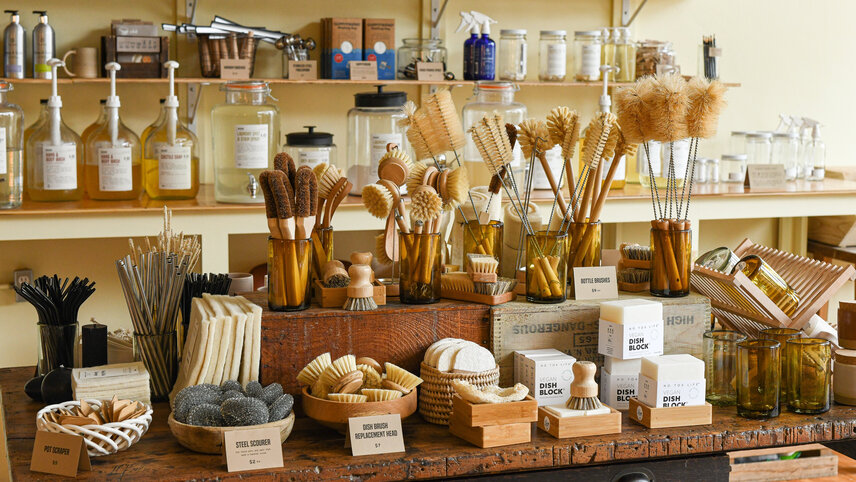
Roberts is honing Ware’s messaging to reach its community as she carves a path forward for the refill shop. While digital marketing will play a role, it’s wrestling with diminishing returns on digital advertising as the costs of online customer acquisition have climbed.
One of Ware’s four sales associates will soon be departing the business, relieving a bit of pressure on its cost structure. Roberts plans to pick up the slack. She’s waiting until the next holiday season ends to decide whether to close Ware. Ware raised $80,000 from friends and family in 2018 for its launch, but hasn’t secured additional outside funding.
Roberts says, “I’m not going to continue to sacrifice my financial livelihood, future and stability for a business that people aren’t supporting.”
Ware isn’t the only struggling refill shop. The solid haircare brand Dip has seen upwards of 20 of its retail partners close their doors in the past six months, twelve of which are refill shops that shuttered in the last 90 days. Dip founder Kate Assaraf believes that amplified online competition is nudging out refill shops as sustainable brands embrace e-commerce giants like Amazon.
She says, “These stores just can’t compete with the convenience of one-click purchasing. The customer base they built and the items they have so carefully curated have migrated over to Amazon.”
The business model adopted by most refill shops can put them at a greater disadvantage in a fiercely competitive market. They often pay a premium for the eco-conscious products they sell while achieving slimmer margins to keep their prices accessible to customers, says Roberts. On top of premium product pricing, there’s premium labor costs as refill shops tend to pay higher wages to retain educated staff who can properly manage refill stations.
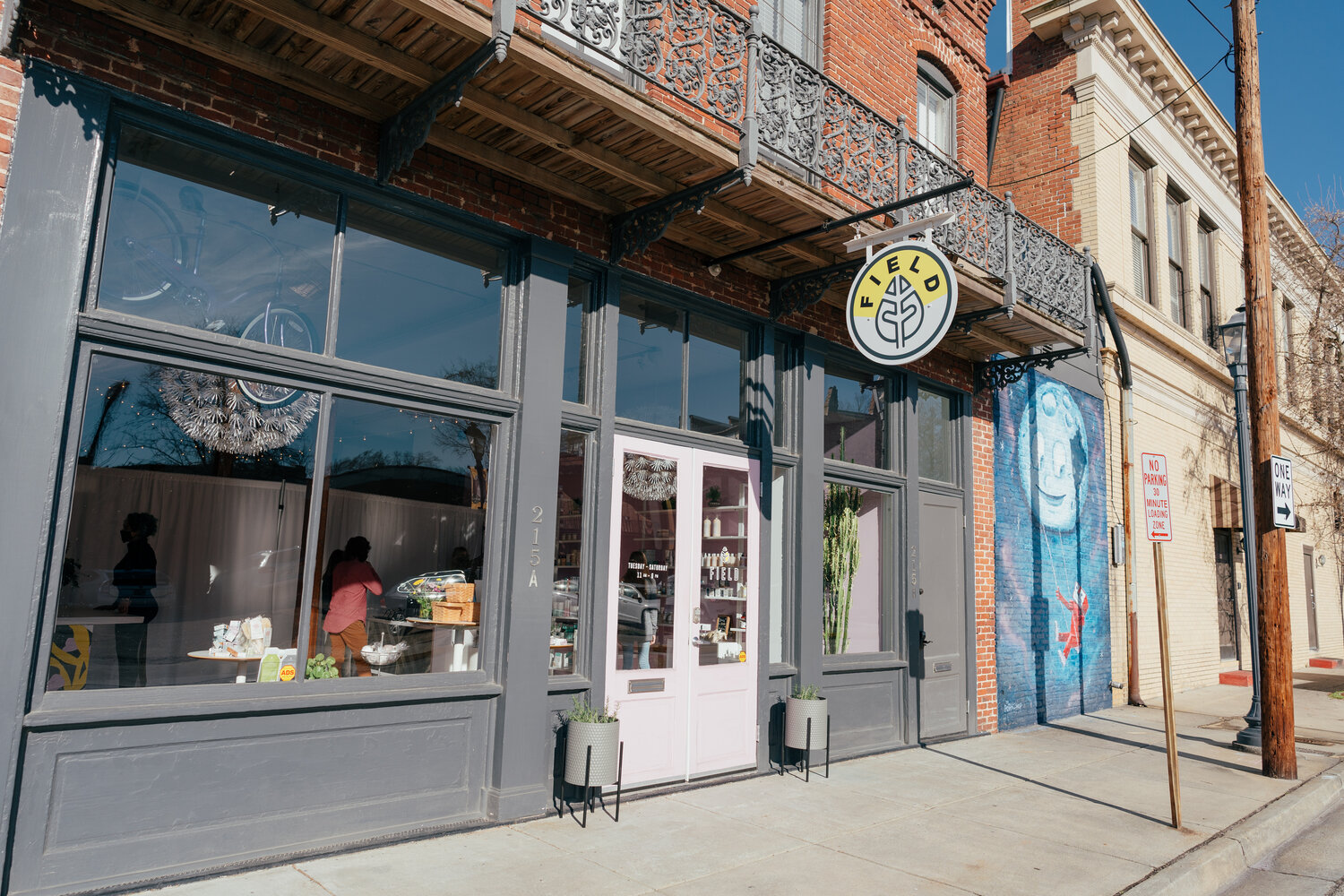
Similar to Ware, Field Botanicals, a clean beauty retailer in Augusta, Ga., is registering slower sales. After positive monthly sales growth throughout 2022 and the first quarter of this year, its sales dove in May and June. June’s sales were down nearly 60% from last year, a plummet that founder Jennifer Tinsley describes as “really, really scary.” She says, “I checked our trends obsessively and came home literally in tears some days.”
Tinsley is treating Field Botanicals’ sales decreases in May and June as an anomaly, but other indie retailers in her network are cutting back their merchandise buys as sales slump and forecasting becomes unpredictable. She says, “This all trickles down to brands, who are seeing sporadic POs and lower orders.”
To maintain customer loyalty in a shaky environment, Field Botanicals is doubling down on its commitment to clean beauty and carefully curating its assortment. Tinsley intends to be particularly discerning with the business’s stock levels and will seek out strategic partnerships to stoke community engagement.
For small self-funded retailers, it can be harder to future-proof operations in ways that large retailers can with technological tools and financial backstops. “At the risk of sounding old school, technology such as apps, AI, automation and data analytics that can enhance customer experiences feel futuristic and out of reach to a small boutique with very limited resources,” says Tinsley, who calls herself as “risk averse” when it comes to taking on debt or outside investment.
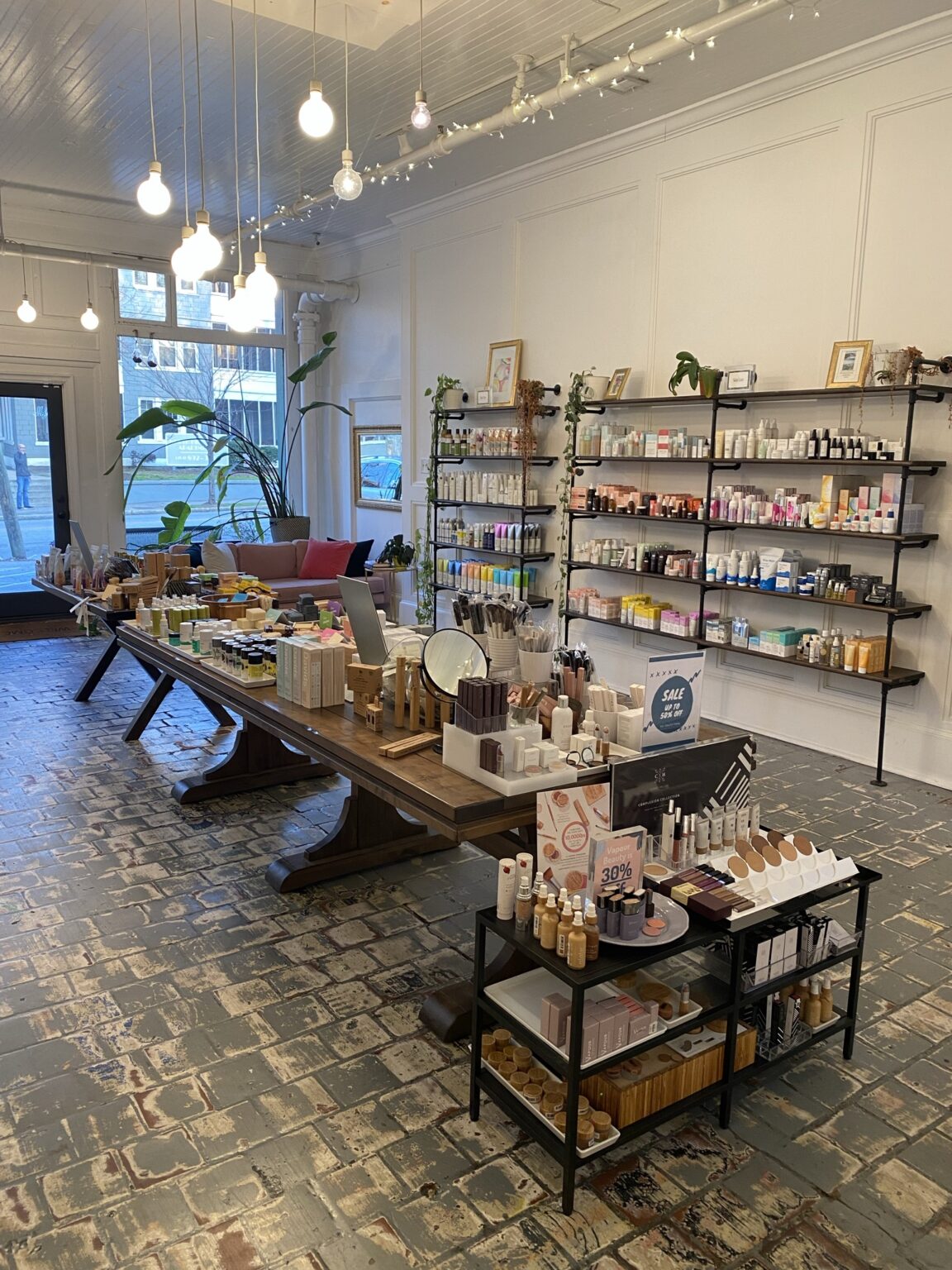
Dealing with mounting costs, sluggish sales and a morphing retail landscape, clean beauty retailer Fig & Flower closed on July 1. The former Atlanta store stocked around 50 beauty brands such as Blume, Odacite, Nopalera, Kinfield, Innersense Organic Beauty and Plaine Products. Ilia, One Love Organics, Fitglow Beauty, 100% Pure and RMS Beauty were once its bestselling brands.
Fig & Flower founder Rachel Taylor says the monthly rent for the store’s 1,125-square-foot space jumped from $1,900 to $3,500 in the past three years and 2023 year-to-date sales dipped 35% from pre-pandemic levels. Store sales were down about 50% from 2019 as well.
“We decided to make budget cuts with staffing to hold on longer and see if sales returned to normal,” says Taylor, who self-funded the business throughout its run. “That unfortunately led to a lot of burnout on my end and with that marketing and the in-person shopping experience suffered as a result. I found it challenging to shift from a mindset of wanting to purely exist to how can I thrive.”
While its focus on clean beauty was an early advantage for Fig & Flower when it bowed in 2014, the retailer lost its edge as clean beauty charged into the mainstream. Taylor says clean beauty brands began working exclusively with larger retailers that had digital shopping capabilities Fig & Flower couldn’t compete with. With the store closed, she’s pondering if the business can persist in an online capacity.
Since opening its physical store in Manhattan’s downtown Westfield World Trade Center, aka the Oculus, last November, Pretty Well Beauty’s brick-and-mortar business has quickly outpaced its e-commerce, accounting for roughly 85% of its monthly revenue. Intent on expanding Pretty Well Beauty’s fleet of locations, Alvarez is gearing up to fundraise and will soon host an investor day in the store.
Scaling aspirations aside, Pretty Well Beauty is grappling with escalating costs that are threatening its margins. Electricity in its 800-square-foot store is five times what Alvarez pays in her home; the indoor shopping complex housing Pretty Well Beauty, Manhattan’s largest, hit the retailer with a trash removal fee that it didn’t originally budget for; and Alvarez points out shipping costs for online orders have surged dramatically.
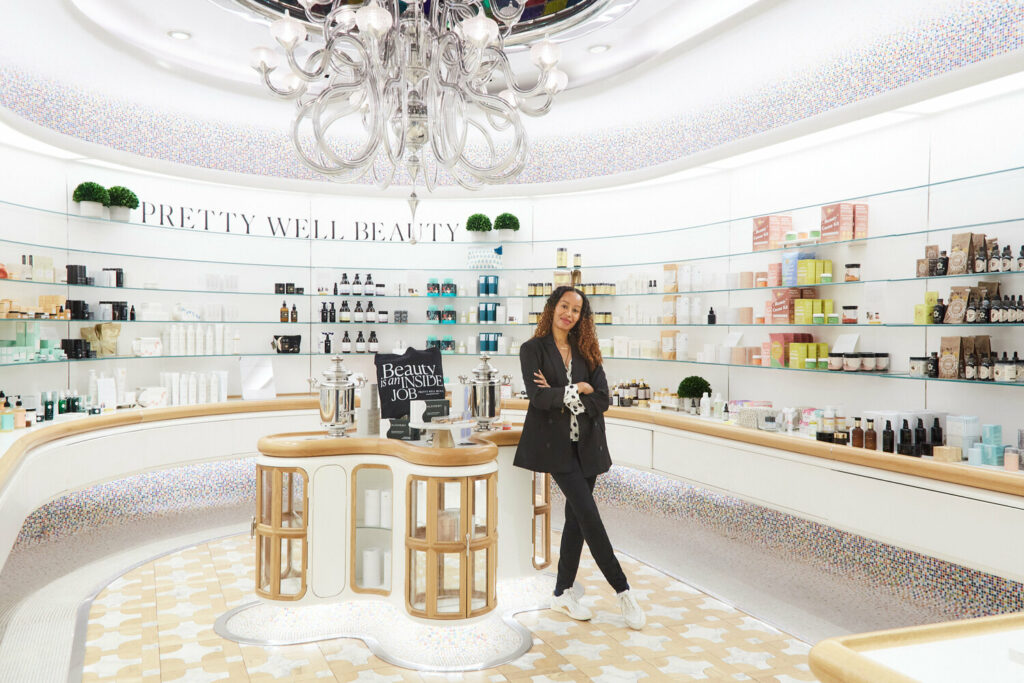
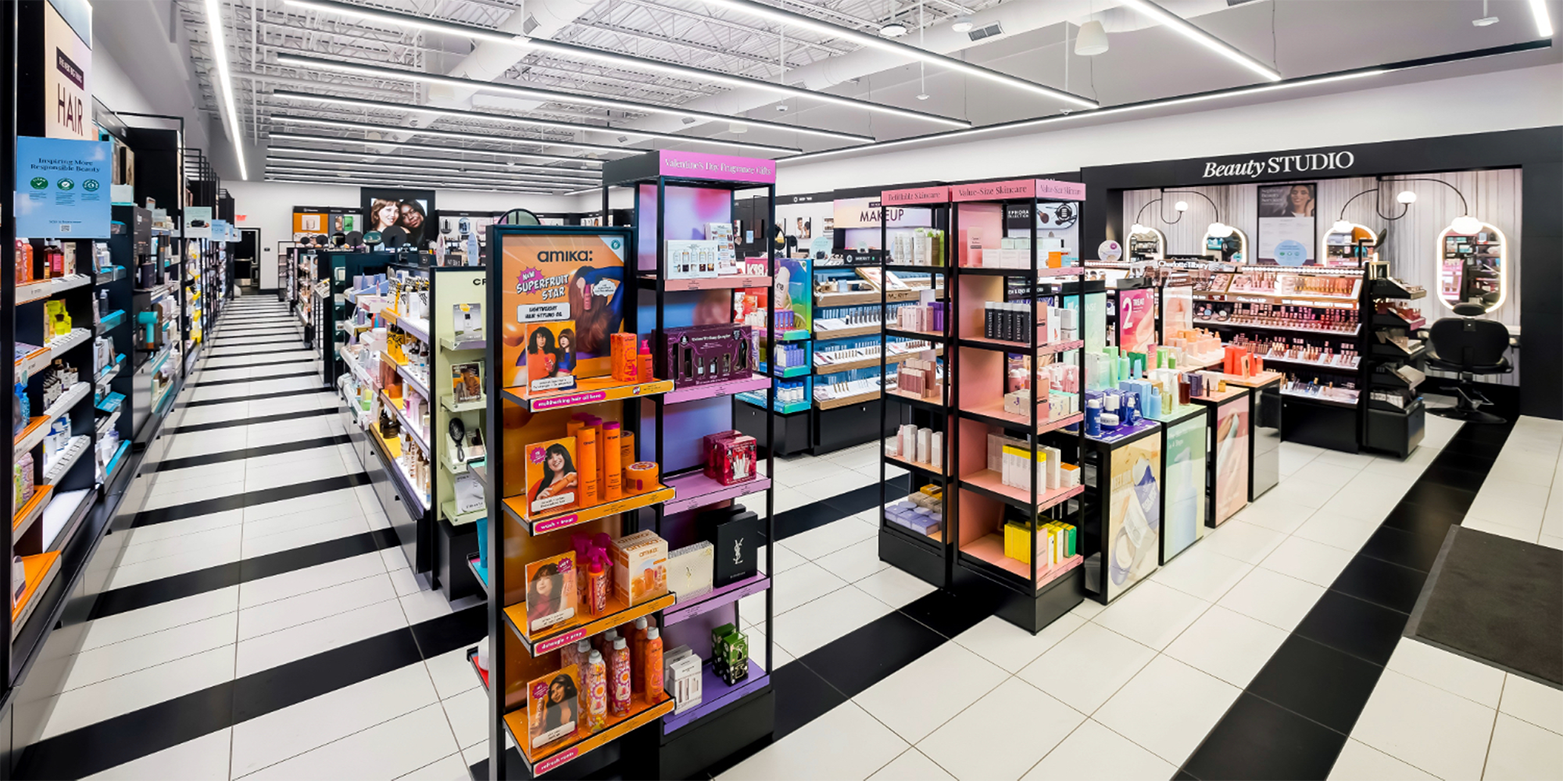
Planting Pretty Well Beauty in a shopping center with MAC, Aesop, Sephora, & Other Stories and L’Occitane stores has underscored for Alvarez how wide the brand awareness gap is between major corporate brands and small businesses. “Pretty Well Beauty is not a big famous name, but I’m surrounded by big famous names,” she says. “I see people going into these stores because they’re recognizable, but they don’t really understand what they’re buying, quite frankly.”
She emphasizes, “That’s why for me, it’s really important to create a community and through that community, build trust and loyalty.”
To succeed, Alvarez asserts that indie retailers must have brand partners willing to be as collaborative as possible. Shout-outs on social media and in email blasts are beneficial as are in-store events and gifts-with-purchase. Ware’s sales lift when its brand partners tell their audiences why they’re stocked at the shop. Roberts says, “We have a very values-based business. So, those kinds of value judgments are really important to us.”
For retailers navigating inventory surpluses, Tinsley says brands with minimum order quantity flexibility can alleviate stress. Consignment models should be considered. “I’d much rather be in the position of having to order small, more frequent orders rather than be stuck with a lot of inventory,” says Tinsley. “It definitely helps with cash flow on our end.”
Addressing fellow beauty brand founders, Assaraf suggests, “Make your products easy for retailers to sell. Send the shelf talkers. Visit in person. Prioritize communication. Make yourself available for questions. One thing I do for my retail partners is send them updated photographs every month so that they don’t need to photograph our products in order to promote them.”
Glancing at the future of their small businesses, indie retailers are oscillating between hopefulness and despair. “The pandemic upset the apple cart of the economy, and it’s still not upright,” says Tinsley. “But the great majority of our new customers are trying to make the switch to clean beauty and are confused with all the TikTok advice. They just want to talk to someone knowledgeable and get personalized recommendations. I don’t see that changing any time soon.”
Taylor says, “I feel hopeful because small retail matters greatly to me. Individuals who start a small retail business are passionate, hard working and take great risks to create a space they believe in.”
The players
5 mentionedInnersense Organic Beauty

Aesop
AS Beauty
Anomaly
Too Faced