Will Tariffs Doom K-Beauty's Boom?
Already squeezed by a 10% baseline tariff rate Trump started to impose April 5 on goods from most countries in the world, including South Korea, they’ve been increasing prices, delaying launches and stockpiling inventory in response to higher tariff-related costs. Their actions will get more dramatic if their costs go up further by the tariff rate on South Korean imports to the United States rising to 25% as is proposed in Trump’s reciprocal tariff plan. Many K-Beauty retailers and e-tailers are terrified about their businesses’ fate in a higher cost environment.
South Korea is seeking an extension on the 90-day pause on reciprocal tariffs to continue trade discussions with Trump. Previously, under a free trade agreement that went into effect in 2012, South Korea and the U.S. enjoyed trade with low tariffs.
Amid the tariff uncertainty, Ohlolly, a Los Angeles-based K-Beauty e-tailer carrying nearly 400 stockkeeping units from 30 South Korean brands, hasn’t been bringing in new brands for its assortment and is increasing select prices 10% to match the current tariff rate on products en route from South Korea to its California warehouse. At present, the increase will affect under10% of Ohlolly’s assortment. The e-tailer has a three- to four-month supply of products in its warehouse and hasn’t been able to order a larger quantity of inventory due to limited cash flow. It pays 100% to its suppliers before its products ship from South Korea to the U.S.
“We have to look at how it’s going to affect our business in general,” says Herra Namhie, co-founder of Ohlolly. “Can we raise all of our prices? If not, where do we cut? We just haven’t been able to make that decision. To survive this, we’re going to have to make that decision pretty soon.”
On April 3, Namhie’s sister and Ohlolly co-founder Sue Greene uploaded a video to the e-tailer’s Instagram account addressing the 10% tariff rate and encouraging customers to stock up on their favorite K-Beauty products before tariff-related price adjustments occurred. The Instagram video spurred sales to rise 190% on the e-tailer’s site, although they normalized after about three days. Greene says, “It was partly that customers wanted to stockpile, but I think they really support small businesses.”

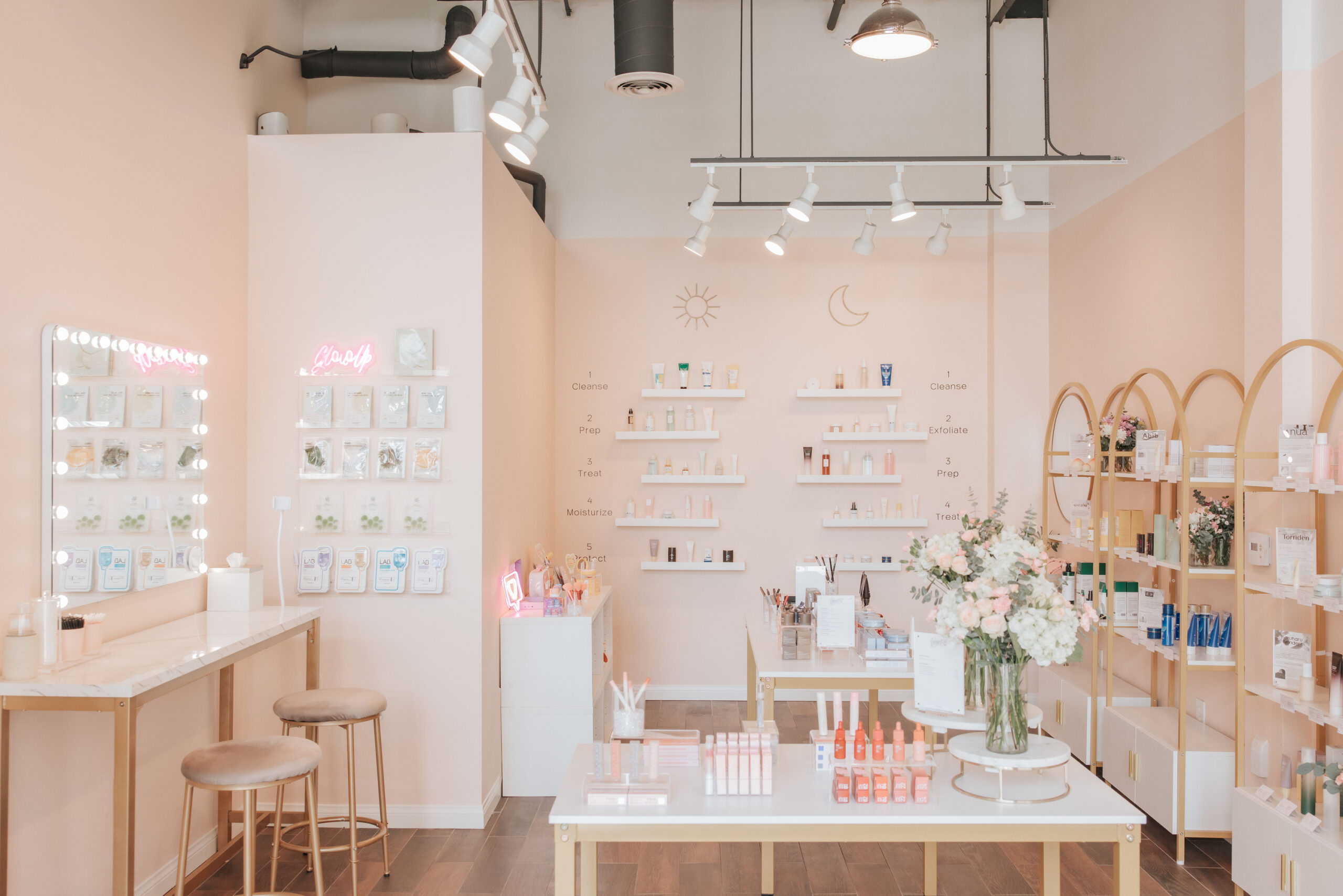
Playlab Beauty, a boutique in Pasadena, Calif., opened a year ago by Violet Grey alums Vanessa Nabhani and Jeanha Joo selling 200 products from 40-plus South Korean, Japanese and Chinese beauty brands, has held off price increases so far. Seventy-seven percent of the brands in its assortment are from South Korea, 10% are from Japan and 3% are from China. Among the brands in the assortment are Anua, Etude, Clio, CNP Laboratory, Biodance, Fwee, Hince and I’m From. Everything at Playlab retails for less than $40, an important differentiator that’s under threat.
“We’re doing everything we can to not raise prices,” says Nabhani. “I don’t know how much longer we can do that. At this point it’s getting very difficult because we do have increased costs over this mess that we are just bearing right now.”
K-Beauty brands have largely absorbed the cost of the 10% tariffs so far. According to reporting from the publication Korea JoongAng Daily, brands like VT Cosmetics, Medicube and Anua have upheld their pricing to maintain market share in the U.S. Tir Tir is weighing a small price increase if the 25% rate goes into effect next week. Other beauty brands have raised prices in recent months in response to the tariffs. Glow Recipe announced in May that it would increase the prices of its bestselling Watermelon Toner, Dew Drops and Hue Drops by $1. E.l.f. Cosmetics and Saie hiked prices of their products by up to $4.
According to a survey of 1,000 American shoppers conducted by consumer insights platform Zappi released in May, only 20% of customers reported they’re prepared to absorb tariff-related price hikes. Beauty shoppers were some of the most price-sensitive customers polled, with 62% saying they’d halt purchasing if prices increased up to 10%. Sixteen percent reported they’d buy beauty products at any price.
Sarah Chung Park, founder and CEO of K-Beauty distributor Landing International, says, “If trade negotiations successfully keep tariffs to 10%, I would expect that price increases will be small for the end consumer, in most cases, just $1 to $2. I’m hopeful that consumers will still see the incredible value of these products considering many of their mainstream counterparts can be up to twice as expensive.”
For now, it’s too early to tell how Ohlolly’s price increases will affect its business. Greene says, “We believe our customers will remain loyal and continue to appreciate the value K-Beauty brings.”
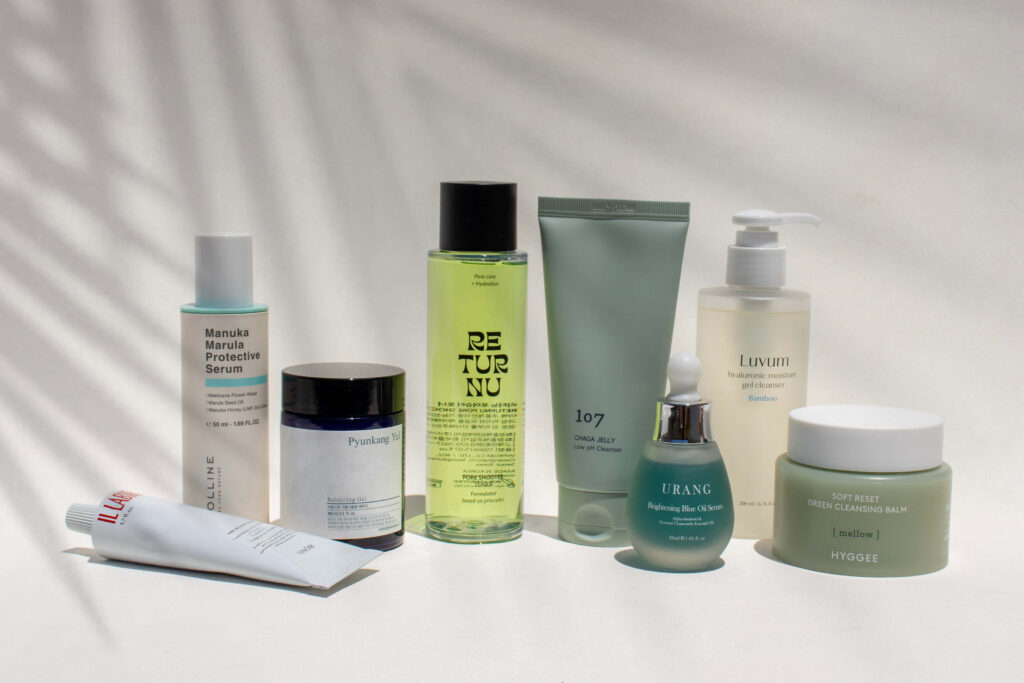
To hedge risks, Ohlolly ran Memorial Day promotions on bestselling brands that haven’t been affected by the cost increases like Heimish, Sioris, Dr. Ceuracle and Urang. The sale was a success for the e-tailer, and it extended it until early June. Prices on Ohlolly’s site mostly land within $20 to $40 with its 14-stockkeeping unit luxury in-house skincare brand Wylys retailing between $28 and $306. New product launches for Wylys have been temporarily halted due to it switching to a packaging supplier in China. Tariffs on goods imported into the U.S. from China went from 145% in April to 30% on May 14, although rates vary by product.
Tariffs are rocking K-Beauty retailers as interest in South Korean imports from brands like Cosrx, Tir Tir, Beauty of Joseon, Anua, Skin1004 and Medicube surges on TikTok. According to a report by Landing International cited by the publication Cosmetics Design, K-Beauty revenue in North America is expected to climb 160% to $9.9 billion in 2032 from $3.8 billion in 2022. Searches for “Korean skin care” jumped 180% in 2023 on TikTok, with the hashtag #kbeautymakeup growing 85%.
Meanwhile, K-Beauty revenue on Amazon climbed 78% year-over-year and sales were forecast to double in 2024. Muskat, a new curation platform aimed at introducing up-and-coming South Korean beauty brands to America, launched in June to capitalize on K-Beauty demand. According to data from the U.S. International Trade Commission quoted by CNN, South Korea accounted for $1.7 billion in beauty exports last year, surpassing France as the country’s top beauty exporter.
Playlab has stocked up on at least three to six months’ worth of inventory in its bestselling category, sun care, to ensure it can meet demand. Nabhani admits the move was nerve-racking for the self-funded business. “Cash is difficult to come by,” she says. “We’re kind of putting a lot at risk, especially for being a small business, but that’s the situation we’re in right now and that’s the game that we’re kind of forced to play.”
Tariff woes are the latest blow for Playlab. The retailer lost inventory during the Eaton fire in January when Nabhani’s home, which doubled as the company’s corporate headquarters and warehouse, went up in flames. She explains that the retailer had stockpiled inventory in response to a strong holiday performance.
Tariffs aren’t the only headache that K-Beauty retailers have faced of late. South Korean sunscreens with UVA filters unapproved by the U.S. Food and Drug Administration, which regulates sunscreens as over-the-counter drugs, began disappearing from American stores and sites last summer for reformulations. Although there were no changes for UVA filters in particular, apparently brands were spooked by the Modernization of Cosmetics Regulation Act (MoCRA), a law expanding the FDA’s oversight, taking effect following a three-year grace period.
K-Beauty sunscreen devotees in the U.S. are frustrated by the thicker, chalkier sunscreens that have resulted from reformulations. Also, counterfeit K-Beauty sunscreens have flooded online marketplaces like Amazon, adversely impacting the business of K-Beauty retailers selling sunscreens that adhere to domestic regulations.
While counterfeit products are still a problem for Playlab, Nabhani says the K-Beauty sunscreen market in the U.S. is remarkably less messy now. In fact, Playlab benefitted from the counterfeit melee as customers wary of buying products online flocked to the retailer. Sunscreens from Beauty of Joseon, Skin1004, Round Lab and Biore typically see the most traction at it.
“As long as we can supply it, there’s demand for it. It’s really more of a supply constraint we’re worried about more than a demand dip issue,” says Nabhani. “The K-Beauty industry is just such a force to be reckoned with, and this category [sun care] is so key to discovery. No one was gonna let this take us off track.“
Chung Park argues that, while K-Beauty sunscreens formulated to U.S. standards lack the more advanced filters available in Korea, “these formulas are still a cut above in terms of texture and ingredients. I think American consumers still have an interest in what Korean brands can offer in terms of FDA-approved SPF.”
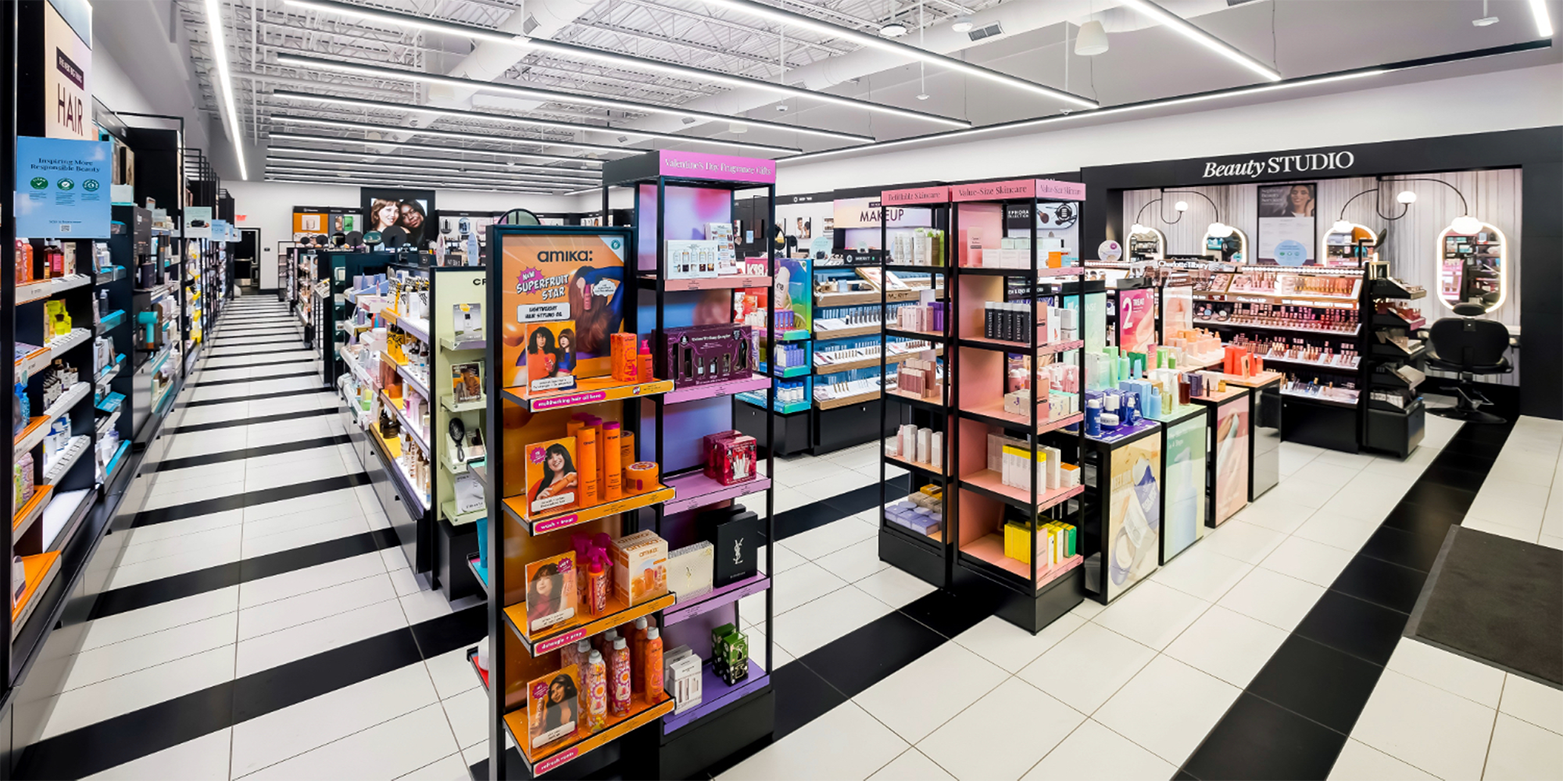
Mounting competition is another challenge for small K-Beauty retailers and e-tailers. Ulta Beauty and Sephora have been onboarding K-Beauty brands like Rael, Ma:nyo, Mediheal, Skin1004, Dearcloud, Knours, Biodance and Aestura. Beauty of Joseon is expected to launch later this summer at Sephora. South Korean beauty retail behemoth Olive Young has established a U.S. subsidiary in Los Angeles as it plots expansion in the country, although details of its rollout plan are under wraps.
Two-year-old e-tailer Lucy’s K-Beauty Shop uploaded a TikTok video in April telling followers that its business was sliding as mega K-Beauty retailers like YesStyle and Olive Young undercut its prices. YesStyle, which ships out of Hong Kong, told customers on May 2 that it didn’t expect extra charges to be applied to U.S. shipments on products made outside of China or Hong Kong due to tariffs. Ohlolly’s business was flat last year as it contended with growing competition from Amazon, Sephora and Ulta. Last year, K-Beauty-related searches on Amazon totaled 224.4 million views, surpassing Sephora.
Nabhani is confident that the tariff drama won’t crush K-Beauty’s resurgence in America. “As in any business, as long as you continue to have superior products, you’re going to win in this space,” she says. “I think K-Beauty is excellent at having superior products and listening to the trends and what people want.”
The players
5 mentionedMedicube

Skin1004
Under Your Skin
Beauty of Joseon
Violet Grey