Is Lipstick Licked?
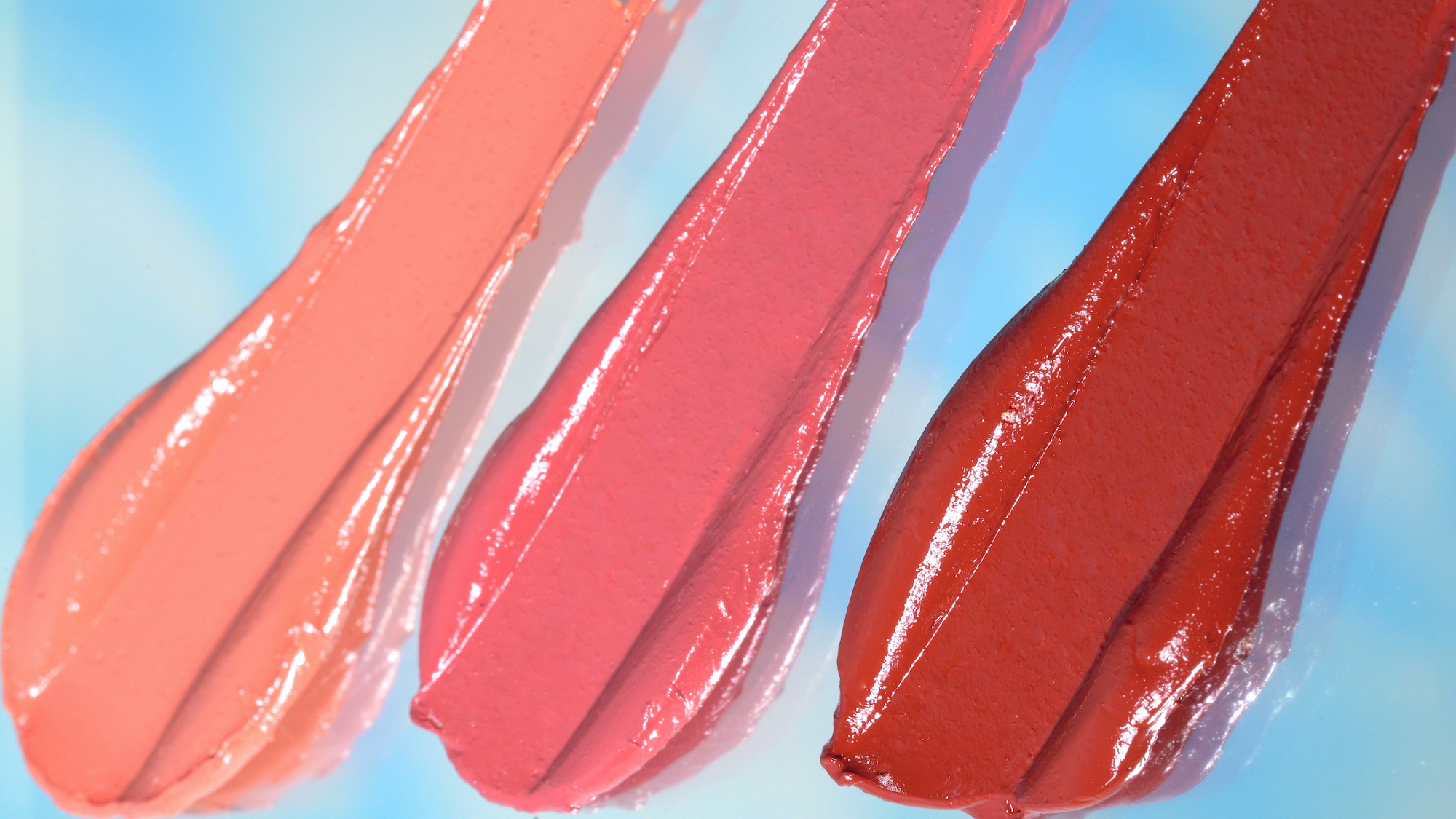
Premium beauty brands are shifting away from the saturated staple to hybrid lip products formulated to make coloring lips a single function among several that often have skincare-style aims such as hydrating and exfoliating. Gen Z is playing a prominent role in the recomposition of lip products and lipstick’s lagging launch presence. Their preferences are muscling mouth makeup development—and they’re not puckering up with swipes of intense lacquer.
“This past year, we’ve seen many new launches of multitasking lip products that were not traditional liquid or bullet lipsticks from new, emerging, luxury, prestige and mass brands,” says Kaitlin Rinehart, VP of merchandising at Ulta Beauty, gen Z’s favorite beauty retailer and the nation’s largest beauty specialty chain. “Our robust lip oil, balm and gloss offerings meet our gen Z guests’ wants, needs and values across all price points.”
According to market research firm Circana, female gen Z consumers—those aged 13 to 26 years—are more likely to wear lip gloss than any age group. Nearly 70% of gen Z makeup wearers report they use gloss compared to 55% of makeup wearers in their entirety. And gen Zers are the least likely generation of consumers to wear lipstick, at 48% versus 62% for the total consumer base of makeup wearers.
Tuned in to gen Zer’s smacker product sympathies, Ulta’s bulletproof lip item repertoire features Dior Beauty’s viral Lip Glow Oil, NYX’s Fat Oil Lip Drip, MAC’s Squirt Plumping Gloss Stick, Makeup Revolution’s Crystal Aura Lip Oil, Beautycounter’s Beyond Gloss, Stila’s Heaven’s Dew Gel Lip Oil, About-face’s Lip Color Butter and Fenty Beauty’s Poutsicle Lip Stain. Of the top 10 lip product bestsellers on Sephora’s website, Charlotte Tilbury Pillow Talk is the lone conventional bullet lipstick, and the brand’s Pillow Talk in a mini size paired with a lip liner is the product on the list.
Rinehart reasons balms, oils, butters, glosses and stains have gained ground as lipstick has limped due to the return of some sort of normalcy post-pandemic. She says, “As more consumers resume pre-pandemic activities like returning to the office, classes and social events, they seek products they can apply on the go for a less perfect, natural and minimal effort look.”
Katey Denno, a celebrity makeup artist who’s worked with Amanda Seyfried, Mindy Kaling and Margaret Qualley, says, “Applying a lipstick that’s a punchy shade takes effort, looking in a mirror, making sure to stay within the lines and deposit pigment evenly so your work of art looks even and not patchy. Tinted lip balms are much easier to apply on the go as they’re less densely pigmented and therefore more forgiving if you don’t apply perfectly evenly.”
Lip products are huge draws for young shoppers. They and mascara are at the top of the popularity charts for beauty products gen Z consumers are plunking down for, per Hana Ben-Shabat, founder of research and advisory firm Gen Z Planet. She says, “Ninety percent of gen Z will tell you that they use lip products and mascara the most before they use anything else.”
The surge of multifunctional hybrid formulas is in line with gen Z’s buying habits generally. “One of the things that they’re looking for obviously is affordability and value for money,” says Ben-Shabat. “It’s not only they’re looking for cheap things, but they’re looking for good quality products that have value, and value could come either by the product meeting the expectations in terms of what the benefits the brands claim actually say or that it has multifunctions, and I get more from that product than if I just bought a regular lipstick.”
When clean beauty brand Kosas launched Wet Lip Oil in 2019, it was an immediate hit. As a result, the brand jumped on building out its lip product portfolio and subsequently introduced Wet Stick, which Kosas founder Sheena Zadeh-Daly describes as “the bougiest lip balm ever.” She says it has a “sheer, balmy finish with a touch of shine” and, similar to Wet Lip Oil, employs a “treatment-meets-color approach.” The product’s formula is packed with squalane, hyaluronic acid and peptides to moisturize, hydrate and plump.
Increasingly stacked with skincare actives, ingredient decks that resemble those of face serums are standard for hybrid lip products as the skinification trend engulfs the lip segment. Zadeh-Daly says, “The lip category is changing because people want more from their makeup across the board and lips are no exception.” Carried at Sephora, Kosas has more than doubled its sales in the last year and lip has become a crucial revenue producer.
It’s not solely gen Z that’s taken a shine to glossy lip products. Overall, Circana finds that lip gloss sales growth is outpacing lipstick sales growth. Specifically, lip gloss dollar sales climbed 38% year-over-year compared to lipstick’s 14% bump within prestige beauty.
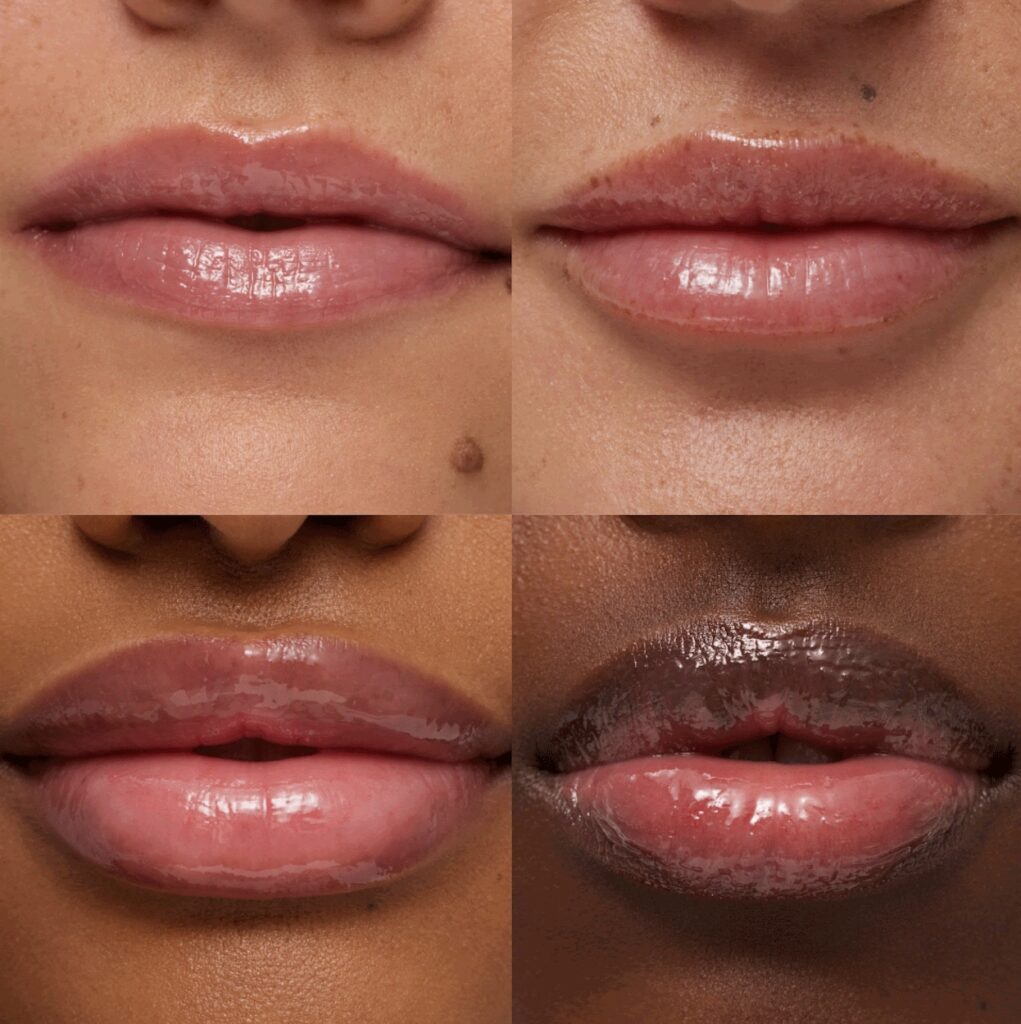
At Macy’s-owned upscale beauty specialty retailer Bluemercury, where the bulk of customers are millennials, lip color is a leading volume-driving makeup category and a fast-growing category, up a double-digit percentage from last year and amassing a larger share of the makeup business. Joanna Kennedy, director of merchandising for color at Bluemercury, highlights Hourglass, U Beauty and RMS Beauty‘s volumizing and plumping tinted balms and glosses with ingredients like peptides, ceramides and hyaluronic acid as lip product stars.
“Traditional lipstick still makes up the majority of the sales volume within lip color, though tinted lip balms and glosses have shown slightly higher sales growth over the last two years than traditional lipstick, mostly due to innovation,” says Kennedy. “Clients are absolutely buying multiple formats of lip color in a variety of shades, more so than other categories such as eye and complexion.”
Bluemercury is bullish on the lip category going forward, projecting healthy growth over the next few years. The retailer’s in-house brand Lune + Aster will be launching a multitasking, oil-infused lip collection later this year. The products will be treatment balms-cum-glosses that provide a subtle volumizing effect, hydration and a flush of color.
“We feel that lip poses a unique opportunity to carve out an elevated experience in stores to delight clients and encourage play and discovery,” says Kennedy. “Lipstick in luxury beauty has become an accessory, with a lot of new and designer brands developing gorgeous vessels for the product, whether it’s leather, a fun print or heavy metals. They’ve almost become collectables that spark joy and make you excited to pull out of your bag to reapply. We see a lot of opportunities to highlight these special items in stores and explore more of this fashion-meets-beauty element of lipstick.”
Lipstick alternatives are nothing new. Much ink has been spilled over Clinique’s Black Honey Almost Lipstick, a product that launched in a pot in 1971, then in stick form in 1989 and recently experienced a renaissance when a new generation caught wind of its flattering shade via TikTok. While Black Honey boasts the delicate color payoff that’s become a hallmark of lip product launches of late, it’s not powered by skincare ingredients.
Lip products with skincare ingredients aren’t exactly new either. Since 1994, Jane Iredale has been creating products that bridge the gap between makeup and skincare. Director of product development Nicole Musco explains the brand’s customers have always looked for hybrid products that deliver multiple benefits. She says, “Our lip formulas, even when delivering beautiful color, are enriched with nourishing, protective and restorative ingredients like vitamin E, botanical oils such as sunflower, moringa seed and avocado, and hyaluronic acid.”
Jane Iredale’s HydroPure Hyaluronic Acid Lip Treatment and LipDrink, an SPF 15 lip balm, have minimal or no color. Additional lip items in its selection are the lightweight, highly pigmented Beyond Matte Lip Stain; exfoliating and moisturizing HydroPure Hyaluronic Acid Lip Gloss; botanical oil-enriched Just Kissed Lip and Cheek Stain; and lip pencils made with jojoba oil and shea butter.
“We have always believed that there’s a need for products that fuse skincare and makeup benefits together and only see that continuing moving forward,” says Musco. “We see the lip category as an important one where consumers tend to be more impulsive and take more risks in trying products.”
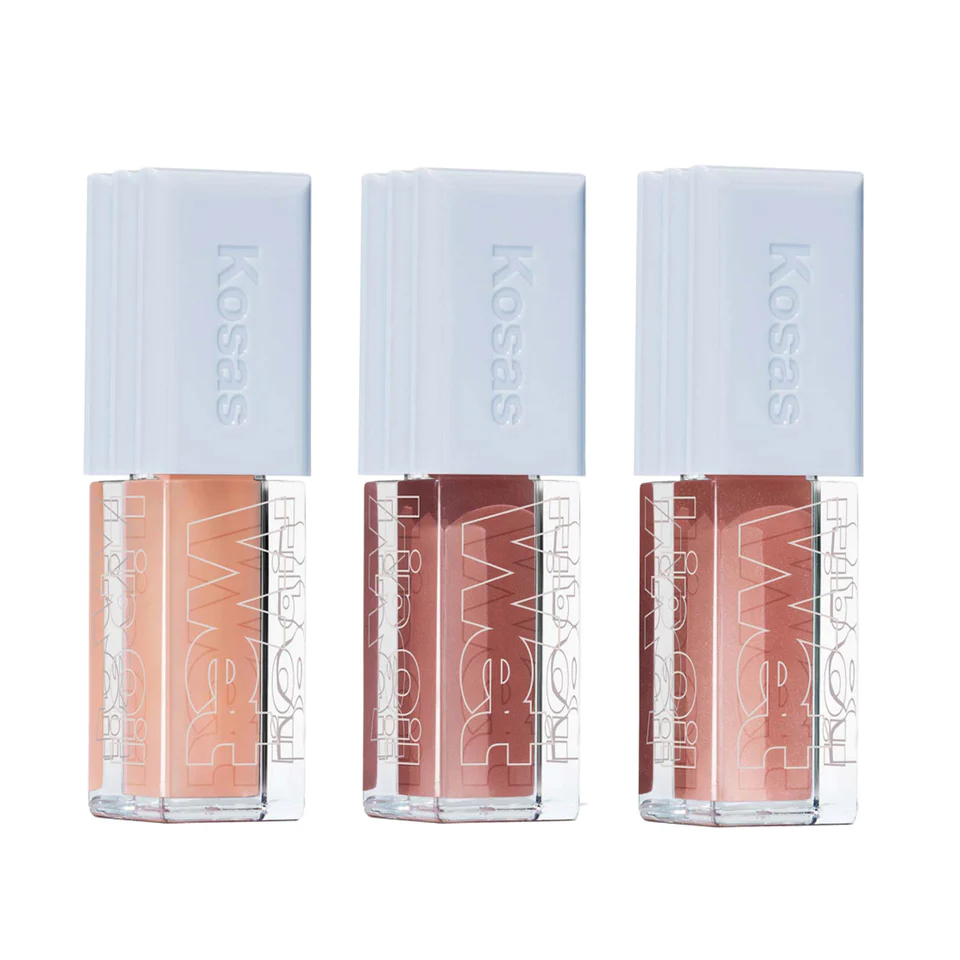
Denno wonders if consumer interest in non-lipstick lip products has as much to do with supply as it does demand. Stoked by consumers’ willingness to try lip products, brands are coaxing them to buy souped-up versions that differ from what they already have in the makeup stashes, frequently at steeper prices than a standard bullet. U Beauty’s The Plasma Lip Compound is $68. Charlotte Tilbury Pillow Talk, on the expensive side for lipstick, is $35.
“All the factories and labs have these formulas and are showing them to their clients, and it just so happens that they all come out at the same time, and it looks like there’s this move away from lipstick,” says Denno. “We’re made to think that it’s consumers asking for this, when, in reality, brands have a ton of lipsticks out, and maybe this is a category they’re hopeful they can have some growth in.”
So, let’s not cancel National Lipstick Day, scheduled for July 29, just yet. It’s got a much better ring to it than National Lip Tinted Balmy Elixir Oil Day.
The players
5 mentionedKosas

Clinique
AS Beauty
Fenty Beauty
Hourglass