Indie Beauty Snapshot: 13 Trends Rising In The First Quarter Of 2022
The beauty industry has been on the upswing. Last year, market research firm The NPD Group reports prestige beauty sales rose 30% to $22 billion. The U.S. has experienced strong job growth. And, while social media is riddled with problems, it’s also helping consumers hold companies accountable and get answers to pressing questions. In the indie beauty segment, there’s certainly a range of challenges (high customer acquisition costs, an onslaught of competition from large CPG players fighting back against the energy of upstarts and stubborn algorithm shifts among them), but opportunities are growing, too. There remain white spaces for opportunistic entrepreneurs, emerging platforms to spread the word, and retailers eager for brands with fresh approaches.
From eco-conscious beauty wearables to wellness brands providing support for women choosing to forgo birth control, the 13 indie beauty trends we detail below demonstrate the fast pace at which indie beauty moves to both push and react to consumer preferences. In these trends and business more broadly, there’s innovation to be proud of as well as work that still needs to be done to better the industry and give us all something to celebrate.
Wellness 1.0 inundated consumers with pills and powders galore, supplying daily doses of greens, collagen, adaptogens and a forest floor full of mushrooms, but even #thatgirl can only make so many smoothies per day. When people’s daily capsule intake veered well into the double digits, a backlash was predictable. The gummyfication of the supplement space ensued, and the backlash to that was the healthyfication of the gummyfication of supplements, which took the sugars out of gummies to elevate them beyond fortified candy. Healthy shots, functional gum and dissolving nootropic ingestible strips soon followed.
Today, while coronavirus may never end in the U.S. and elsewhere, Americans are generally over a life lived indoors. Wellness brands with their fingers on the pulse are whipping up compact and portable products that consumers can have with them on the hiking trail, at the club, on the plane and wherever those planes touch down. Recent launches include Gest’s liquid collagen, hyaluronic acid, ceramides, astaxanthin, vitamin C and monk fruit shots that come in single serve “sips,” and Australian collagen specialist Vida Glow’s targeted antioxidant supplement Anti-G-Ox, a fruit-flavored effervescent powder designed to be poured directly onto the tongue like a nutritious Pixy Stix. Vida Glow just entered the U.S. market last month.
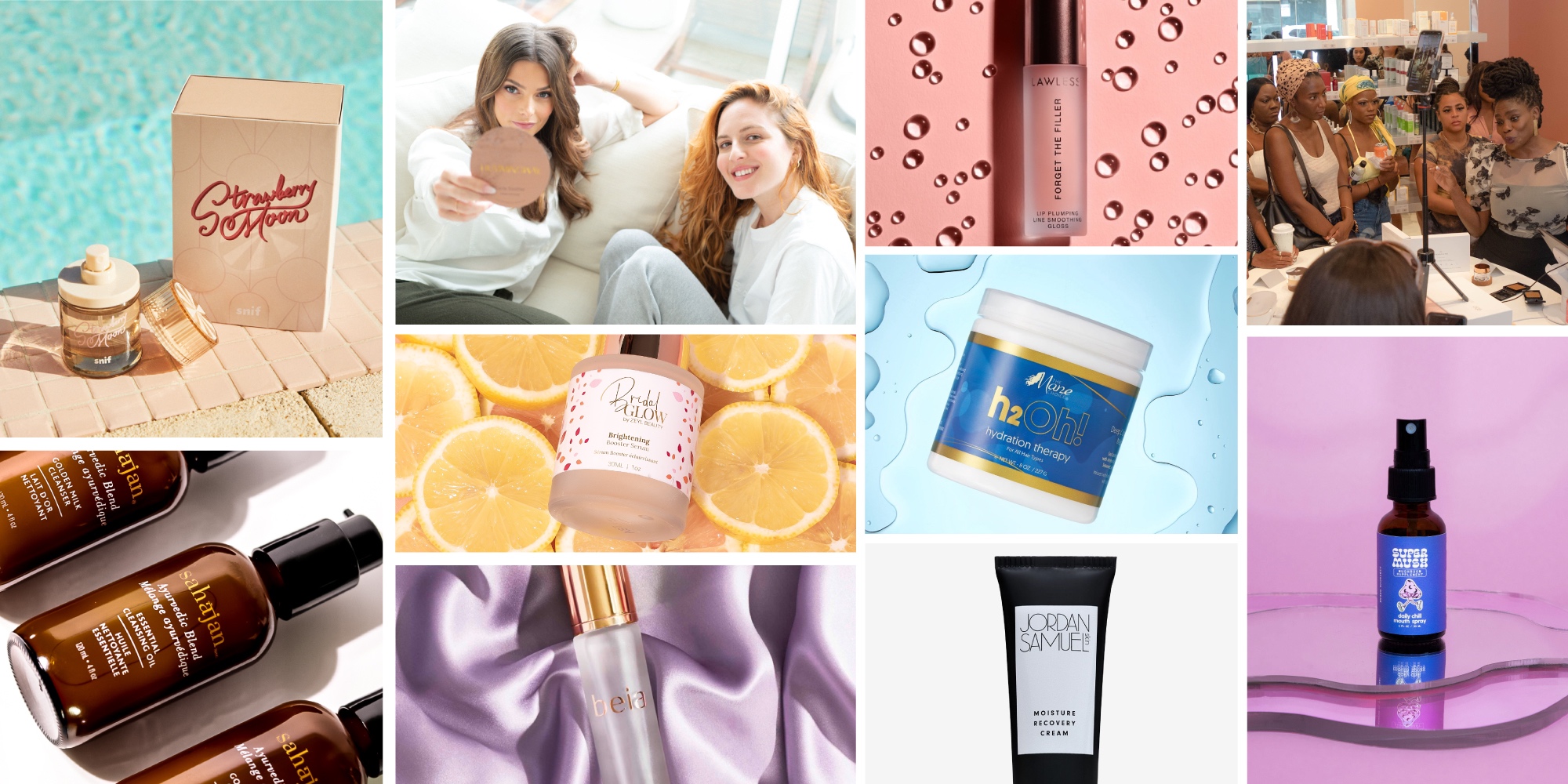
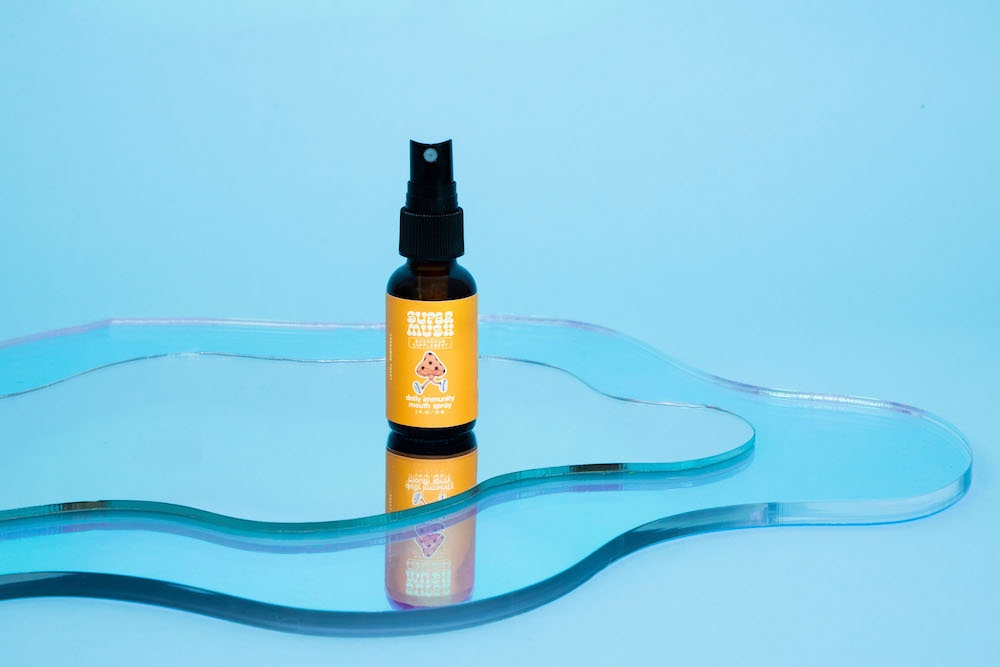
Alli Schaper, co-founder of functional mushroom- and adaptogen-infused mouth spray company Super Mush, says the brand is “never going to make a gummy or a powder or a pill or a standard tincture” and will instead focus on unique form factors and delivery methods. Its three oral sprays—Daily Chill, Daily Energy and Daily Immunity—illustrate the brand’s approach. “Our goal is to make something good for on the go, it fits into your lifestyle,” says Schaper.
It seems Super Mush has tapped into the zeitgeist. Within months of launching at stylish West Coast natural grocer Erewhon, it’s become the No. 2 supplement brand across all locations.
Hormone health has been a buzzy beauty and wellness topic lately, with brands playing the role not only of marketer of hormonal support products, but also educator for consumers who, thanks to the American school system’s lackluster or completely lacking education about hormones, don’t understand the critical role the chemical messengers play in overall wellbeing. Offerings from brands such as Wile, Marea, Semaine and Baben are designed to assist women with managing the effects of hormonal cycles, including the volatile period of perimenopause when menstruation comes to an end.
Young women who’ve been prescribed hormonal birth control for off-label uses like irregular periods and hormonal acne are increasingly turning to wellness brands to help them stop birth control or sidestep it entirely. “They are looking for more natural, healthier options,” says Necole Kane, founder of PMS care brand My Happy Flo. “We find that a lot of women are terrified of what will happen when they come off of birth control and if they will experience raging hormones or very painful heavy periods. We are happy that [our product] allows them a smoother transition as it contains plant-based ingredients, vitamins and minerals that support hormone balance.”
In her thirties, “Twilight” actress Ashley Greene shares she dealt with “every symptom under the sun and had absolutely no idea what was happening to my body” after stopping birth control. In October, she and her sister-in-law, Olivia Khoury, who suffered from premenstrual dysphoric disorder or PMDD, a severe form of premenstrual syndrome characterized by intense physical and behavioral symptoms, have launched Hummingway, a product-cum-educational company designed to rewrite the script on how consumers care for their bodies and address the root causes of cycle-related conditions such as period pain. Its first product is Cycle Soother, a pain-fighting transdermal patch powered with lemongrass essential oil, Chinese ginger essential oil, black pepper essential oil, menthol crystals and hemp-derived broad spectrum CBD.
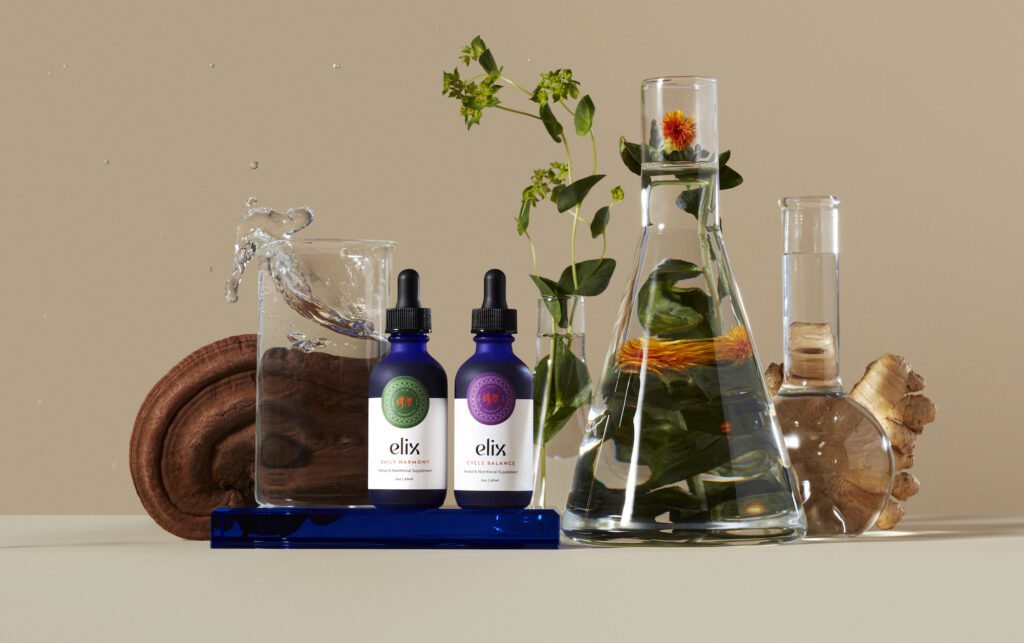
Hummingway isn’t the only brand leaning into education. This month, traditional Chinese medicine cycle care brand Elix its annual State of Menstrual Health report with the goal of shedding light on the menstrual and hormone health issues affecting people who menstruate. One sobering finding from the 2-year study is that, for those prescribed birth control to manage menstrual symptoms, 95% still experience some cramping. The finding indicates birth control solutions aren’t working well.
Elix created a comprehensive online health assessment customers can take to gain insight on the potential root causes of symptoms and the herbs best to support balancing hormones. Founder Lulu Ge herself launched Elix because she says she never felt like herself on the birth control pill. “My mental health really suffered. For many people, the pill can trigger side effects such as headaches, nausea, and mood swings or anxiety.” Kane adds, “Birth control and over-the-counter pain meds shouldn’t be the only option to cure painful periods and hormonal acne.”
The beauty industry’s waste problem has been documented for years, leading conscious brands to strive for greater sustainability. Refill shops, ingredient upcycling and waterless products are a few of initiatives intended to abate beauty’s disastrous impacts on the environment. Single-use products like face and eye masks in particular have come under fire for their contributions to the beauty waste pile.
Brands like Doing Experiments and Dieux have debuted reusable face and under-eye masks made of silicone that can be stacked with skincare products already on hand. Recently, the clean beauty brand Province Apothecary released food-grade silicone reusable eye and face masks. “Our customers can experience the benefits of a sheet mask without the unnecessary waste,” says co-founder Julie Clark. “One-time use sheet masks create over 3,000 pounds of trash that is not biodegradable or recyclable. They are typically made of petroleum-based fibers, packaged in a non-recyclable foil packet or non-recyclable coated cardboard, sandwiched between two sheets of non-recyclable plastic, and covered in cosmetic chemicals.”
Clark, a veteran aesthetician who has incorporated the reusable silicone masks in treatments at Province Apothecary’s Toronto spa, adds that they’re an effective method to keep skin hydrated and soft while reducing the appearance of fine lines and blackheads. “I have suffered from dry skin forever, and I wish I had had this mask years ago,” she says. “As we have been quietly working on launching these masks, I have been using them daily and have seen such incredible results. My skin is way more hydrated, and I have reduced my carbon footprint because I am no longer using single-use sheet masks.”
Rewearables aren’t simply replacing single-use products. With the launch of Sun Patch, liquid products are on the chopping block, too. Founder Gena Griffin got the idea for the brightly colored, UPF 50-plus silicone peel-and-stick sunblock patches after struggling with keeping her 6-year-old daughter protected. Griffin laments, “No matter what SPF we put on, she would rub it off under her eyes.
Urban Outfitters has picked up Sun Patch, and Griffin has been pleasantly surprised by the reception the brand has received. “This is such a new concept, the idea of wearing these in public? Hello, to my surprise, consumers get it,” she says. “We have different shapes launching and more neutral colors coming. We’re growing fast.”
Lisa Guerrera, co-founder of Doing Experiments, one of the first brands to introduce reusable silicone face masks, the neon green Avant Guard, which even had its own Instagram Filter, says she saw a lot of interest from retailers when she first launched her brand over a year ago, but wasn’t ready to take them on just yet. Doing Experiments will be relaunching in the coming months with Avant Guard 2.0, a patent-pending redesign of its original sold out reusable sheet mask. It’s supply chain, nos U.S.-based, is ready for large scale production. “I think in a world where fast beauty exists, lots of consumers feel like beauty is more ‘disposable’ and they’re overwhelmed with the volume of products,” she muses. “Rewearable products create a level of simplicity, ideally, that cuts down on the clutter, mentally and physically, created by disposable and single-use products.”
According to The New York Times, 2022 is the year of the wedding. An estimated 2.5 million weddings are set to take place, the most since the nuptials boom of 1984 prompted in part by the enormous influence of Lady Diana Spencer’s televised wedding of Prince Charles. This year’s surge, brought on by pandemic-sparked wedding delays over the past two years, will be characterized by bridal beauty suiting gen Z and millennial tastes.
Working with brides for the last seven years, Brittany Lo, founder of the brand Beia and bridal makeup and hair provider Beautini, has learned they want to look like the best versions of themselves for the big occasion. She kept that in mind when creating Beia’s Daily Hydrating & Setting Spray. Lo says, “It is a great bridal product because it gives your makeup a nice dewy finish and keeps both your makeup and skin hydrated and in place all day.”
Lo anticipates the bridal beauty category will expand to products and services “that support brides before, during and after the wedding from a beauty and wellness approach,” including hair growth serums, intimacy products and lipsticks with “bridal tones.” The beauty looks and products will also reflect the large number of marriages in the U.S. between people of different races and religions.
Niha Amin and Shanzey Al-Amin modeled Zeyl Beauty’s Bridal Glow line on Ubtan, a traditional Ayurvedic paste made up of saffron, turmeric, chickpea flour and sandalwood, used in South Asian cultures prior to weddings. Its meant to cleanse, hydrate and exfoliate the skin, and inspired the brand’s Bridal Glow Masque and three Booster Serums. “We’ve elevated the Ubtan experience by creating a marriage between science and tradition and created the perfect pre- and post-wedding skincare line,” says Amin.
Amin and Al-Amin have seen an increase in orders as the summer wedding season approaches. Brides have been purchasing products for themselves along with multiple sets to give out to their wedding parties. Amin says, “Whether or not you’re a bride, every day deserves to feel like your big day!”
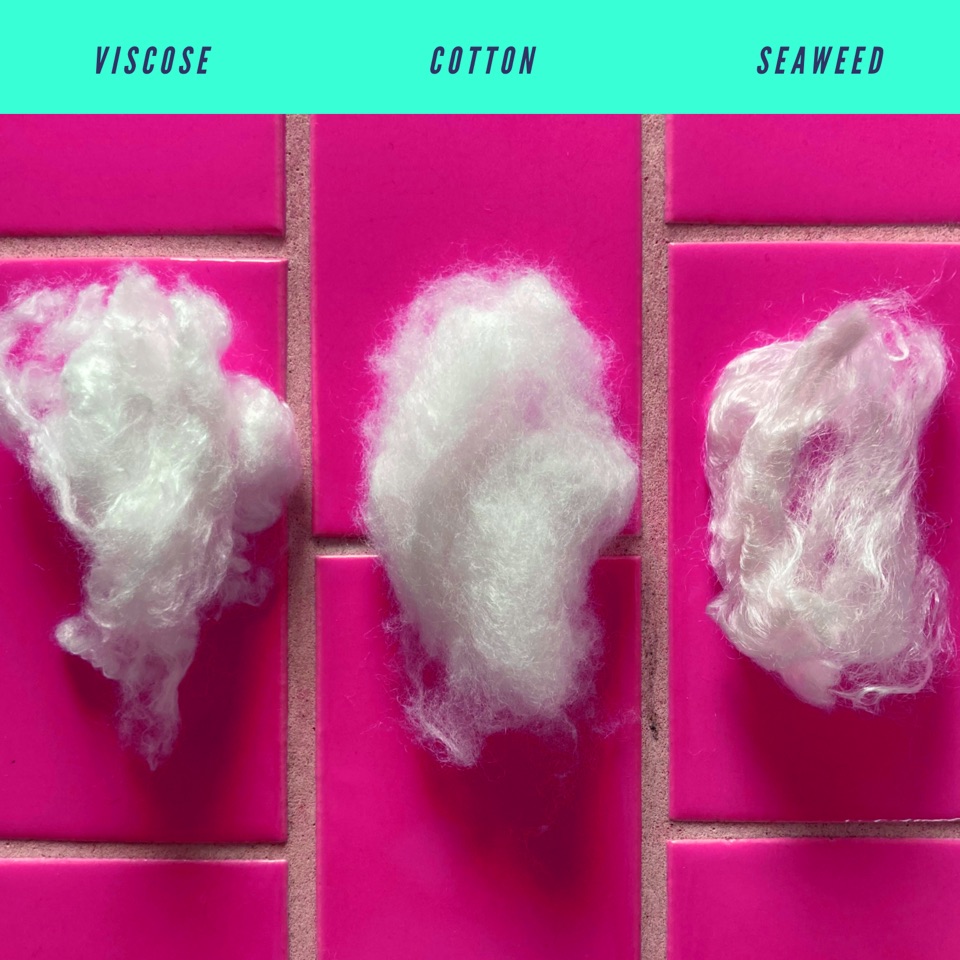
Seaweed has been a go-to ingredient for beauty products due to its detoxifying properties and mineral content for years, but now it’s being used for other reasons, too. While finishing her marine guiding certification, Vyld founder Ines Schiller discovered it can be employed for tampons. “It’s naturally absorbent and known for its anti-inflammatory properties,” she says. “Therefore, developing it to make period products was a no-brainer.”
Covered by Femtech Insider earlier this month, Vyld has closed a pre-seed round for an undisclosed amount to fund prototypes of tampons completely made from seaweed, from fibers to external packaging. Schiller is collaborating with seaweed companies to figure out the best packaging option. She’s considering seaweed bioplastics and high-quality seaweed paper. “A great benefit is the abundance of seaweed,” says Schiller, pointing out seaweed applications will expand in beauty and other industries.
As a caveat, she notes that the seaweed-to-consumer goods startup pipeline is nascent and a bit fragmented, particularly in Berlin, where Vyld is based. “We are part of a global movement of people who want to growth it in a sustainable way, but, at the moment, seaweed startups and algae farmers are in a classical chicken-and-egg situation,” says Schiller. She may resort to sourcing the material from Asia, where it grows prolifically. Her long-term goal is to produce seaweed fibers in-house.
Schiller’s grand vision is to foster an “algaeverse” in which seaweed is included in a wide range of products. She says, “This vision will require a collaborative effort from various stakeholders and the creation of an affordable and accessible infrastructure for seaweed cultivation and processing.”
As the pandemic got underway, packaging was a major sticking point in the supply chain. It hasn’t ceased to be a sticking point, but ingredients have joined it big time in being affected by supply chain turbulence. Robyn Watkins, founder of product development consultancy Holistic Beauty Group, informs Beauty Independent that bakuchiol and glycerin have been on backorder. In addition, the war in Ukraine is impacting access to sunflower and safflower oil.
While it might be an intimidating prospect for indie beauty brands, Watkins advises them to prepare for potentially ongoing ingredient shortages. To do so, she underscores they should be forecasting their ingredient quantity needs. Watkins suggests indie beauty brands hire a financial strategist to forecast for the year ahead. She says, “It doesn’t have to be a scary, long-term commitment, but it’s an important investment that brands should make to help mitigate issues in their supply chain later.”
When thinking about formulas for future products, Watkins counsels brands to be conscientious about selecting ingredients “and maybe not kitchen-sinking your formulas with every cool trending ingredient.” She says, “Really think through the ingredients that actually can be used in a lot of formulas to deliver on a core benefit and that will not only help them to meet their forecasts, but also to have consistency in messaging.”
In January, beauty journalist Darian Symoné Harvin told “Naked Beauty Planet” podcast host Brooke DeVard Ozaydinli that she would be getting her hair relaxed. A clip of the podcast episode posted on Instagram racked up almost 200 comments and more than 1,000 likes. It’s a move many Black women have been considering lately, citing struggles like the cost of maintaining natural hair and the time commitment required for its upkeep.
Hairstylist Cataanda James says the pandemic has played a part. Women were forced to care for their hair when salons were closed. With the U.S. opening up again and people trickling back into the offices, James says, “There are those that do not want to spend the time managing their natural hair.” She adds, “A relaxed look tailored to one’s personality and lifestyle is now part of the assignment for some.”
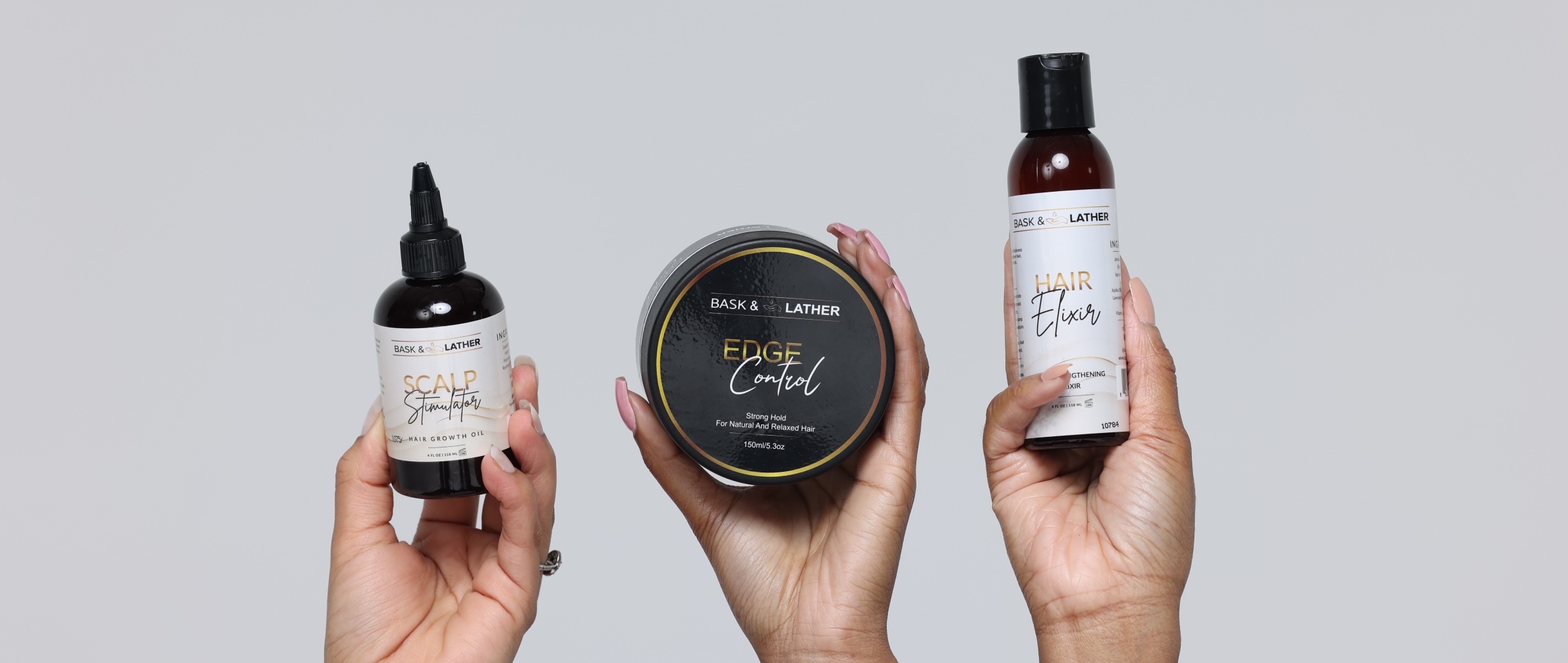
James makes it clear that she doesn’t expect chemically straightened hair to dominate the Black hair space like it did in the 1980s and 1990s. One reason is the numerous haircare products that have launched since the natural hair movement took off (again) in the 2010s. “For decades, we struggled with having access to quality products on store shelves,” says James. “Today, we have a plethora of natural haircare brands that cater to the needs of every curl type with an intentional focus on type 3a to 4c patterns.”
There’s a chance more relaxer-related products may come to market, but James doesn’t anticipate that either. Instead, she predicts a rise in hybrid formulas that focus on the health, appearance and feel of the scalp and hair. The Mane Choice’s H20 collection, for instance, emphasizes scalp health. Although it’s a natural haircare brand first, the collection is intended for all hair types. “We call out healthy attributes in haircare, which are necessities to proper nourishment in every hair type for the best in hair health,” James says of the products. “Individuality is where true beauty lies.”
With travel poised to roar back, the hospitality industry is emerging as a sought-after distribution and marketing channel for beauty brands seeking out-of-the-box partnerships. In a crowded retail and direct-to-consumer landscape, hotels, restaurants and social clubs offer exciting and often untapped opportunities to boost consumer reach.
The prestige indie skincare brand Biography partnered with The Surf Lodge Hotel in Montauk, N.Y., in the summer of 2021 on a beauty-focused mini bar assortment available in every guest room. The arrangement included a complimentary bottle of the brand’s Golden Ray Glow Drops Serum, which retails for $112. Chantecaille, Sacha Juan, Lord Jones and Costa Brazil participated in the assortment as well. To encourage guests to shop the brand, The Surf Lodge stocked Biography’s full line in its pop-up gift shop. “It was such a success, hitting all the targets from creating buzz, image awareness and sales. We are looking to do it again,” says Dianne Vavra, founder of Spotlight PR, which handles Biography’s public relations.
“These kinds of partnerships provide a new avenue for potential exposure for a brand,” explains Vavra. “Publicists need to be clever now and present new, thoughtful, on-brand opportunities to clients while convincing them to be flexible with their strategies. A traditional approach to press coverage is no longer effective.”
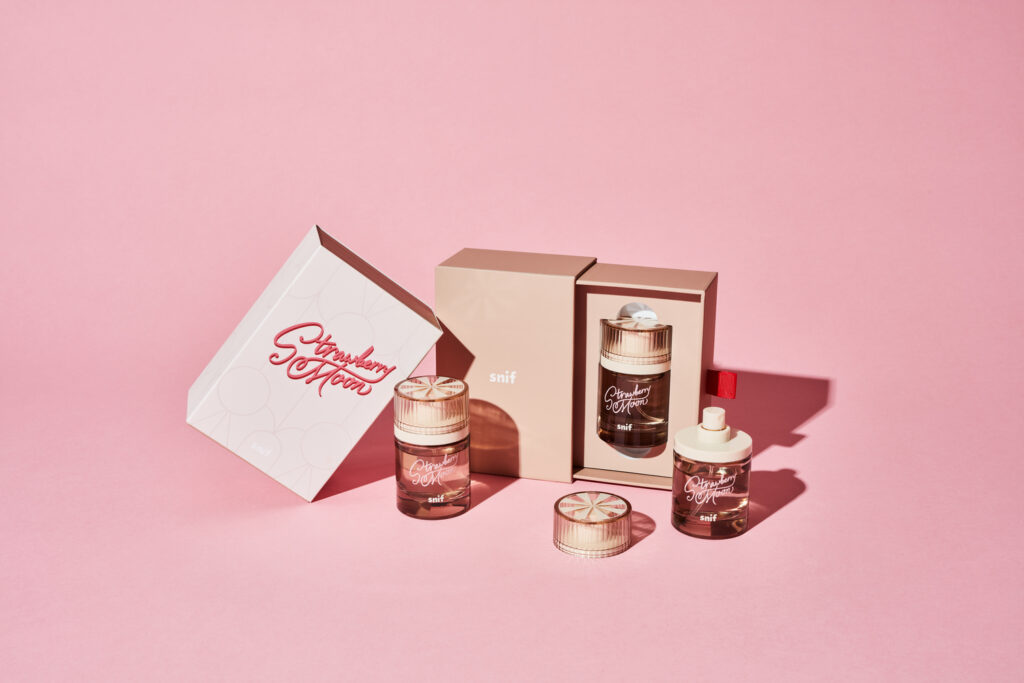
The direct-to-consumer fragrance and candle brand Snif has also seen success by breaking into hospitality. Strawberry Moon, the brand’s co-created fragrance with the Miami pool and social club of the same name, sold out within 48 hours after thousands signed up for early access. The scent retails for $65.00 and is sold on Snif’s website and at The Goodtime Hotel, where Strawberry Moon is located.
“Strawberry Moon has quickly become a staple of Miami social life and has become a brand in and of itself, and we knew that we could continue to add to that sensory experience through the creation of a custom scent,” says Bryan Edwards, co-founder and co-CEO of Snif. “It was equally exciting for us at Snif because it is our first foray into hospitality, and it just felt like a natural next step for the brand and our audience.”
When much of business went remote in 2020, brands had no choice but to retreat to Zoom to keep activations and media desksides going. But as regions have reopened and in-person interactions cautiously return, beauty events are evolving to meet the complexities of a new COVID-endemic way of life.
Brands like Dermalogica and Jouer made early efforts to connect with editors and influencers in-person during the height of the pandemic with events at places like drive-throughs and drive-in moves to keep attendees socially distant. This year, brands have begun to take an omnichannel approach to eventing, allowing them to capture people who are hungry for fun IRL experiences along with those still weary of gathering.
For the launch of its new hair and body collection, the textured haircare brand Aunt Jackie’s offered both in-person and virtual events and connected the two through a livestream with the objective of giving Zoom attendees the feeling of being at the event. The two-pronged strategy has been popular with activations at the Allure Store, which has been hosting over 500 brand events in seven months.
“Danessa Myricks came in the store and did a live demo on models, teaching aspiring makeup artists and founders how to create the perfect look while giving a master class on entrepreneurship. She also streamed the whole event to her social media followers. You can probably imagine how crowded the store was that day,” says Sonny Gindi, co-founder of the Allure Store as well as creative director and co-founder of Stour Group.
When brands assemble editors and influencers face-to-face, they events are typically small and exclusive. Small-scale showrooms with slotted appointments mitigate overflows of foot traffic often associated with pre-pandemic events. Breakfasts, dinners and tea parties foster intimacy and genuine conversation.
“Perhaps brands are becoming more selective with who they invite due to the safety of it all. A lot of us are still very concerned with COVID,” says Kirbie Johnson, journalist, producer and co-host of the Gloss Angeles podcast. Referring to a Women’s Day tea Rare Beauty held, she continues, “It was a more intimate setup at a local hotel, the venue was in an outside patio area, a traditional tea was served, and they brought in Selena Gomez’s manager, Aleen Keshishian, for a Q&A about advocating for yourself. There was intention, and it was useful to everyone there—and there was no new product being launched. Major content creators were in attendance who surely get invited to several things a week. That’s how you hold an event when you don’t have a new product to educate about.”
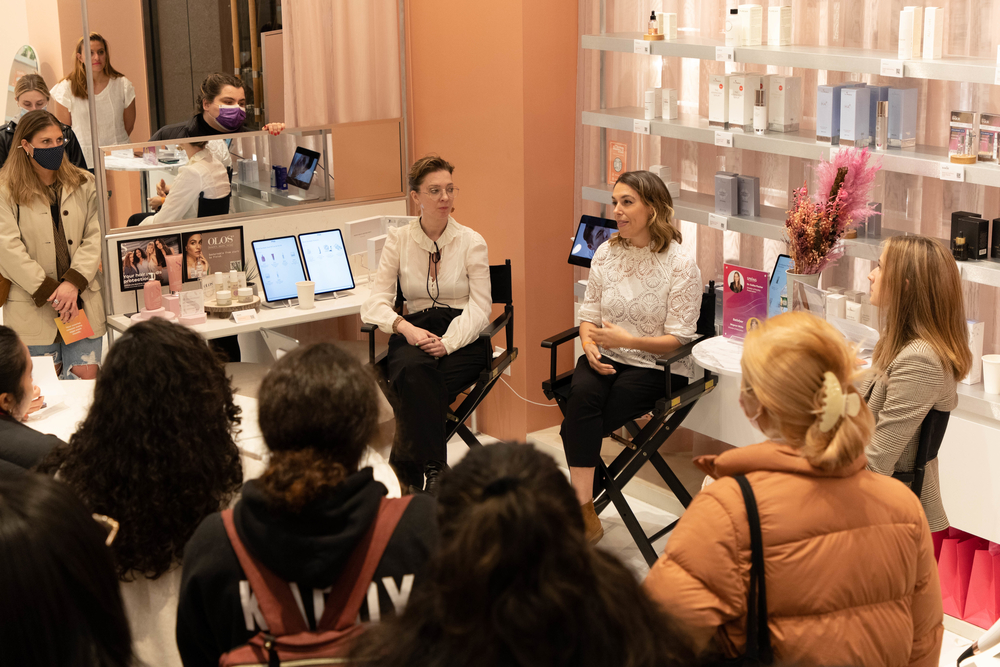
Dermatologists have long been prominent skincare brand founders (think Murad’s Howard Murad and Perricone MD’s Nicholas Perricone), but they’ve never been more in demand as social media experts. To sift through information overload, consumers are turning to them for solid advice, not that they always give it. With the consumer desire for authority comes a new generation of dermatologists responding to it not just with Instagram and TikTok posts, but with products.
Anthony Rossi, Roberta Del Campo, Rebecca Marcus and Lily Talakoub, who’s working on formulas targeted to specific skin conditions for her e-commerce and telehealth platform Derm to Door, are among the latest dermatologists bringing products to market—and their ranks are sure to grow.
Rossi, who’s an oncologist and dermatologist, specifies that the incorporation of biotheriac complex, a combination of a sea anemone-derived peptide, niacinamide and hyaluronic acid, removal of ingredients irritating to sensitive skin, clinical trials and a computer analysis of the effects of his formulas on sensitive skin make his brand Dr. Rossi Derm MD stand out. He says, “This skincare line is based in science not stereotypes, and it’s used in all genders and all ethnicities.”
Del Campo, who identifies Body Renewal Serum with the retinoid hydroxypinacolone retinoate as a distinct product in her collection, says, “I think Perricone and Murad had and still have products that combine ingredients that were unique at that time. What differs today is new powerful ingredients and frankly a better understanding of combination therapies to maximize results is in motion. Further, we are focusing outside of the face.”
In a beauty industry in which every brand seems to be making some claim or another about being clean, conscious and safe, validating the claims is becoming increasingly important to separate those truly adhering to them from those jumping on the bandwagon without doing the work. In particular, brands are ramping up clinical testing and educating consumers on the testing they’re doing.
In a recent email, the Ayurvedic skincare brand Sahajan, for example, let its audience in on how it defines “clinically tested,” one of the numerous beauty marketing terms that doesn’t have an official definition. The brand outlined that its final products contain a “formulation that has been through many rounds of blends, testing groups, and lab analysis—ensuring we never release something that hasn’t been clinically proven.”
A former pharmaceutical executive, Sahajan founder and CEO Lisa Mattam is a big believer in substantiating product benefits. In addition to regulatory reviews, Sahajan conducts stability testing, microbe testing, repeat insult patch testing, perception studies recording changes consumers notice on their skin and clinical analyses with diagnostic tools to measure various attributes such as luminosity and the size of fine lines. “For customer safety and transparency, it’s important the brands do the fundamental work to make sure that their products are safe and that their claims are valid,” says Mattam.
She discloses a single clinical trial can set a brand back approximately $15,000, but emphasizes clinical trials are worth it. Sahajan’s studies on its product Nourish Crème Riche showed 100% of 35 subjects witnessing a minimization in fine lines and wrinkles after six weeks, a better outcome than expected from most skincare products. “My mission was to prove my intuition that the science of Ayurveda could unlock someone’s best skin, could restore them back to balance,” says Mattam. “So, for our mission, the clinical investment [is] critical, and it paid off.”
In an age of skintellectuals and ubiquitous science-y brand positioning, consumers are increasingly interested in digging into the choices brands make about the clinicals they do and scouring them to ensure they’re legit. If brands don’t communicate effectively about their clinicals or conduct them properly, they could get dinged for doing a shoddy job. Mattam says, “Brands will often say ‘rooted in science’ or ‘proven by science,’ but not go further in explaining what that means and, unfortunately at times, it only means that there is a recognition that science matters, and they are capitalizing on that reality with that statement.”
StriVectin’s famous “Better Than Botox” slogan convinced hordes of consumers to buy the brand’s products, even though, as a 2010 article in The New York Times highlights, “its makers had scant science to back” the claim. The arrival of widespread aesthetic treatments like Botox erected a new benchmark that many cosmetics companies tried to reach or at least tout that they were trying to reach to lure consumers.
Aesthetic treatments have only become more widespread and wanted. According to a recent survey of over 1,200 people by spa equipment distributor Artemis, nearly a quarter of gen Z and millennial respondents reported they will likely undergo cosmetic enhancements this year compared to 4% of respondents from older generations. With the yearning for cosmetic procedures becoming normalized, the language and look of them is seeping into beauty more and more.
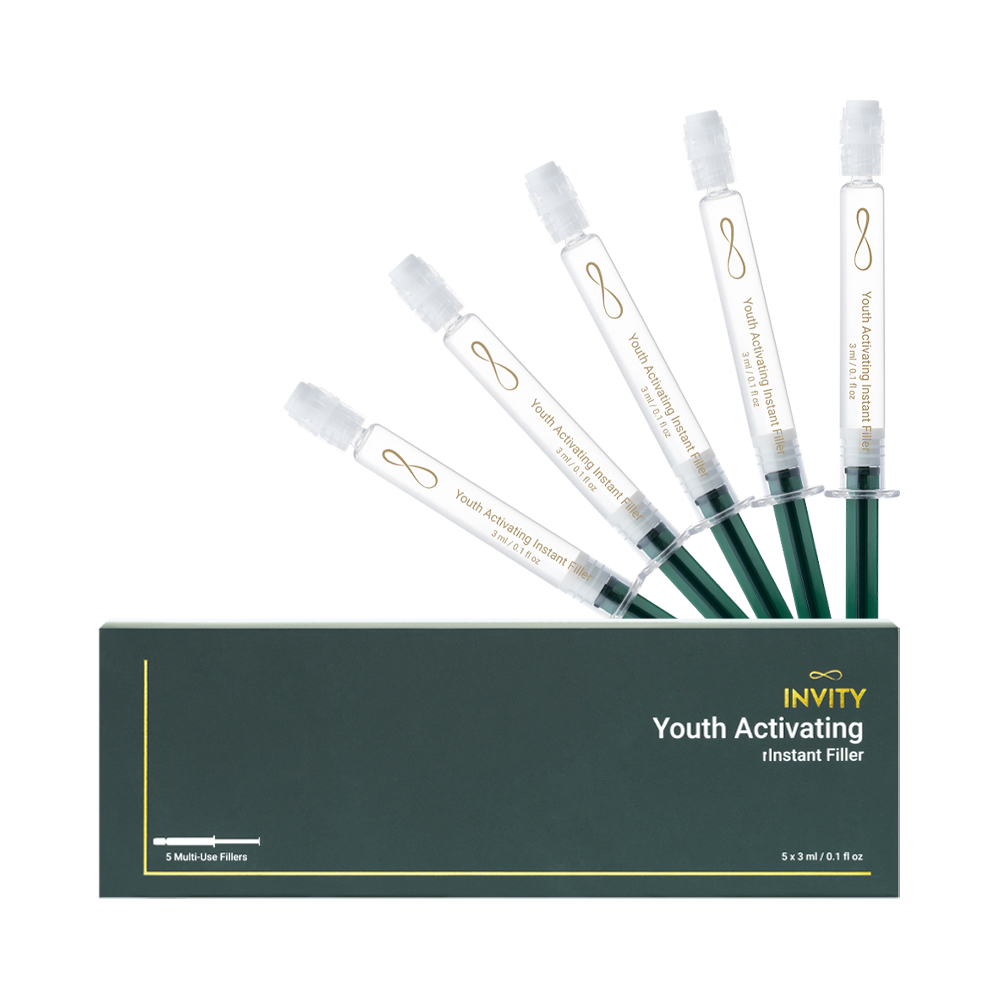
The direct-to-consumer brand Typology describes its polyglutamic acid as a “plumping” serum, clean makeup Lawless’s smash hit lip plumper is called Forget The Filler, and the new brand Ourself has a product labeled Lip Filler that it promotes as having “subtopical plumping technology” to “reclaim lip volume, definition, and suppleness.” Another new brand, Invity, has shaped the packaging for its Youth Activating Instant Filler into syringe-like vessels to indicate the product is a non-invasive alternative to traditional injectable fillers, per chief product officer Eugene He.
Asked about the decision to name the product Youth Activating Instant Filler, he explains, “We thought of offering our customers similar results that one can expect from using actual injection fillers minus the hassle and possible risks. Similar to injectable fillers, we’re using a high technology hyaluron-based formula. And this topical treatment helps one to safely and effectively smooth out fine lines and tighten the skin instantly in the comfort of their own homes.”
He adds that Invity invites consumers to weigh the risks and benefits of injections before opting for them or the brand’s alternative to them. “Cosmetic procedures offer a quick solution to address skin issues,” he says. “But this is not sustainable if the skin’s foundation is not taken care of first. If anything, we believe that invasive procedures should be the last resort in addressing skin aging.”
He acknowledges that there can be downsides to mixing aesthetic treatment and beauty product messaging. “Because society has been conditioned to look for the next viral subject, consumers are expecting more out of the next product,” he says. “This leads to the public having unrealistic expectations. This can also result in brands becoming more and more gimmicky, which may distract consumers from a product’s intended performance.”
Like countless buzzwords in the beauty industry, slugging is a new descriptor for an old phenomenon. It’s the practice of slathering the face with an occlusive substance, typically petroleum jelly branded as Vaseline, to retain moisture. As Maria Cramer writes artfully in The New York Times, “The newfound popularity of a product that costs as little as $1.79 is amusing and bewildering to longtime Vaseline devotees, many of whom are Black and have childhood memories of parents smearing it on their faces to protect them from the cold and wind.”
The popularity of slugging has sparked a gold (or should we say oil?) rush in the beauty industry. Brands are whipping out their own versions of classic petroleum jelly or publicizing their existing products that can work as vehicles for slugging. Conscious Coconut has a coconut oil take on the trend with Not Your Ordinary Coconut Oil Jar, Stratia touts its bestseller Liquid Gold product as a thick night cream/slug in one, and QED Skincare is handing out free slugging samplers of its cleanser and Ultra-Sensitive Face Balm with purchases over $50.
Jordan Samuel Pacitti, the skin therapist behind Jordan Samuel Skin, highlights that his brand’s new Moisture Recovery Cream has a “combination of shea butter and emulsifiers that act as semi-occlusives [and] provide a great alternative to a more traditional slugging product.” Pacitti warns slugging isn’t for everyone. He says, “Some people simply can’t get on with it. Those who have a true oily and/or congestion-prone skin will want to steer clear. People should also take caution when slugging over actives as a thick, occlusive product can help to enhance penetration of what is underneath.”
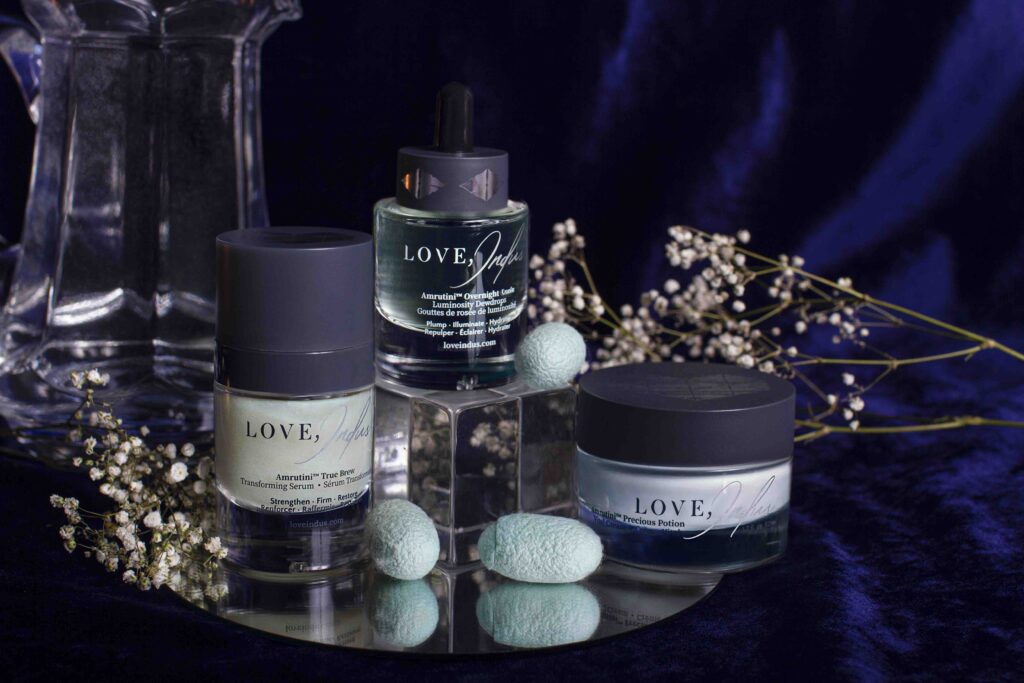
The brand Love, Indus points to products from its Amrutini collection such as Precious Potion Vital Cream with Muga silk protein and vegan ghee as slugging tools. “I think the reason the trend is resonating is the fundamentals of the concept seem intuitive. Use great products and form a protective layer to lock them in and block moisture from escaping,” says Love, Indus founder Surbhee Grover. “Also, it isn’t tedious (apart from the frequent laundry!) as compared to some of the more elaborate trends that require complex tools and techniques, which is why a significant number of folks have been able to try it.” She suggests people start slugging once a week and amplify their slugging habit if they notice a difference from it.
The slugging phenomenon is moving beyond the face. Dermatologist Richard Bottiglione, founder of Dermatologist’s Choice Skincare, proposes full-body slugging with his brand’s Pre Bath Oil. And hair slugging is the latest iteration of slugging. It’s the concept of applying an overnight oil coating to the hair and essentially is the Indian custom of hair oiling with a TikTok-ready appellation. Fable & Mane’s HoliRoots Pre-wash Hair Treatment Oil, Rthvi’s Revitalize Natural Hair Growth Oil, and Wildpatch’s Heirloom and Golden Hair products can be used for it.
Valerie George, a cosmetic chemist and president of formulation house Simply Formulas, says, “Slugging for hair definitely works because oils do an excellent job in lubricating the hair fiber to protect it.” Her hair slugging tip is that people should avoid products with silicones. George explains, “There is nothing wrong with silicones, but sometimes they can be too volatile and aren’t the best at lubricating the hair for extended periods of time. I would recommend an actual plant oil, which is not volatile like marula oil, which is high in oleic acid.”
One criticism of slugging for the face is that it’s reliant on a petrochemical ingredient, but, as Leo Hickman points out in The Guardian, “There’s little, if any, need to worry about global Vaseline use plunging us faster towards the commonly predicted ‘oil crunch.’ It is just one of literally thousands of products that are derived from the refining of crude oil.” Still, with millions and millions of cosmetic products sold containing petroleum byproducts, some beauty consumers may be uncomfortable with the idea their purchases could somehow prop up oil production. They can switch to petrochemical-free options with Manuka honey or coconut oil, for instance, although beauty ingredients are rarely completely unproblematic.
There’s greater backlash potential to slugging from consumers who it’s not a fit for. Grover says, “It isn’t necessarily right for all and certainly not in the same way or with the same frequency. Everyone is different, and you must “listen” to your skin – look for any signs that suggest it’s not right for you.” When it comes to hair slugging, George doesn’t anticipate a backlash, but says, “There may be an anti-slugging trend for hair where people will just use oils on their hair during the day versus dealing with the mess of soaking hair at night.”
The players
5 mentionedMomentous

The Ordinary
Rare Beauty
Better Being
Ultra