Indie Beauty Snapshot: 9 Trends Emerging In The Third Quarter Of 2022
But sometimes covering beauty can be alarmingly inspiring. The scenes of women in Iran cutting their hair to express outrage at the death of Mahsa Amini, a 22-year-old Kurdish woman who was arrested by the morality police in Iran, demonstrate the power of hair in a way that belies the accusations of superficiality thrown at women who care about it. People’s ability to retain control over their appearance is no small matter.
As the unrest in Iran illustrates, we’re living in an uncertain period. While gas prices have dipped and consumer sentiment has inched upward in the United States, inflation remains high, and Americans believe the country is in a recession, whether or not a recession has been officially declared. Nascent beauty brands are being tested in the shaky environment, and they’re employing flexibility and imagination in the face of obstacles. The nine trends we identify below are vivid examples of them burrowing into emerging niches, adapting to market conditions and experimenting to bolster their businesses.
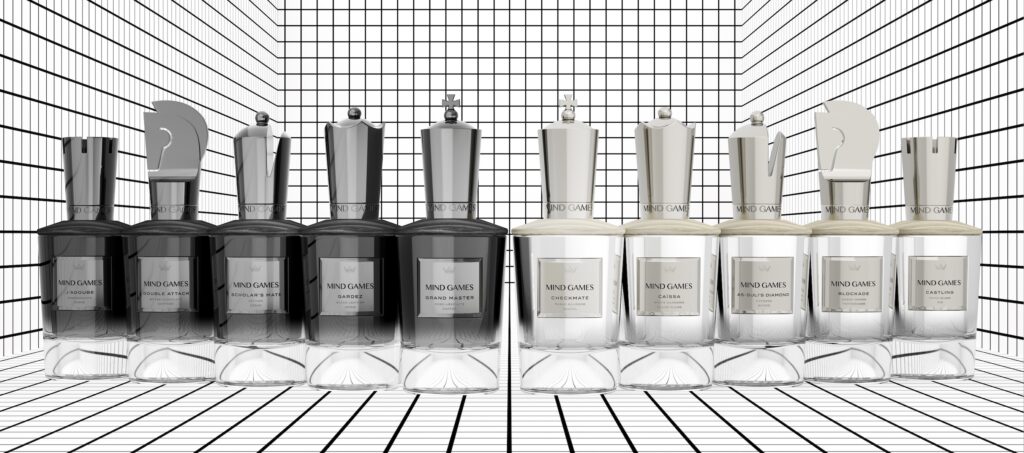
During the pandemic, fragrance was a surprise success story for the beauty industry. Last year, per market research firm The NPD Group, fragrance growth outpaced growth in all other prestige beauty categories to register a 49% sales bump. The traction has lured beauty entrepreneurs and executives into the category to start brands.
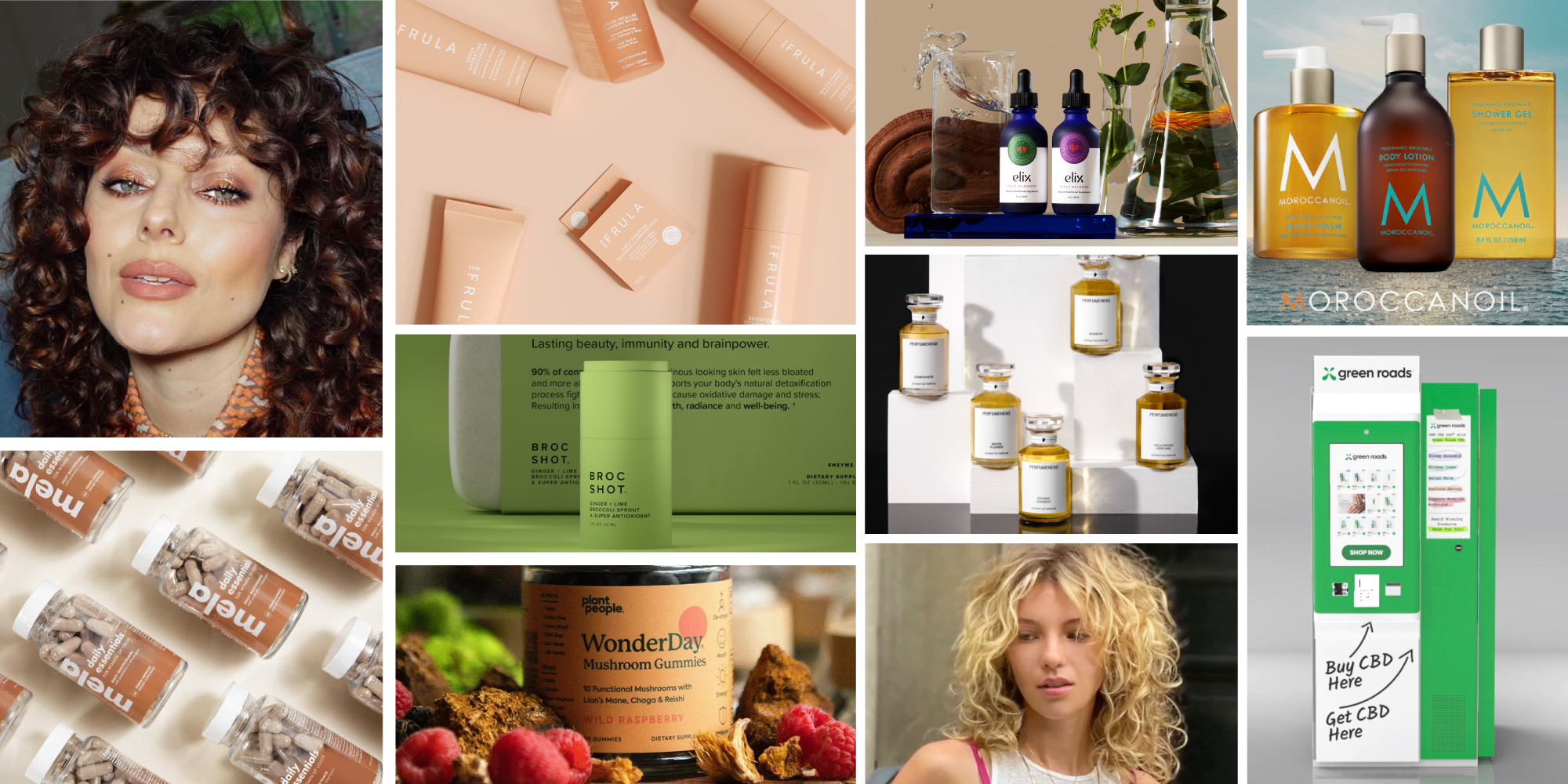
Fragrance distributor and creator The Fragrance Group has introduced Mind Games, a brand linked to the game of chess, at Neiman Marcus. Daniel Giles, a beauty industry veteran with past roles at Too Faced, Perricone MD and Benefit Cosmetics, has launched Perfumehead at Violet Grey with a collection of seven fragrance odes to Los Angeles.
Health and beauty brand incubator Epic has unveiled Aeir, a bioengineered fragrance brand it developed with Rodrigo Caula, formerly in advanced color and material design at Tesla, and Enrico Pietra, previously a designer at Vacheron Constantin, Christofle and Chopard. It’s due to accompany Mind Games at Neiman Marcus later this year.
A new brand called 5 SENS from Divya Gugnani, co-founder and CEO of Wander Beauty, will be joining the perfume parade in the fall. Explaining the motivation behind the brand, she says, “My go-to fragrances didn’t necessarily capture my mood or embrace who I was on any given day. I think the world has changed, and I want to empower people to own their ever-changing energy—the way we might change our clothes, our makeup, our look, every single day. So, I created a fragrance brand to do exactly that. 5 SENS is about igniting your senses and owning your energy.”
Gugnani thinks there are massive gaps in the fragrance category for brands relevant to prevailing trends, and helmed by and catering to underrepresented consumers. NPD estimates over 85% of Hispanic and Black consumers wear perfume and other fragrance products versus 78% of the total population in the U.S. Traditionally, there have been substantial barriers to entry for BIPOC entrepreneurs seeking to break into fragrance.
“There’s a very limited number of options out there now which are female-founded or BIPOC-founded or really speak to specific usage behavior and the ways that you want to engage with fragrance,” says Gugnani. “A lot of it is just traditionally marketed fragrance—like, this is a pink bottle for a woman, a blue bottle for a man and so on. I think today’s gender fluidity and appreciation of purpose-driven brands has paved the way for a consumer that is excited about new players coming into the fragrance arena who represent what they’re passionate about, including inclusivity, purpose, clean ingredients and sustainability.”
Based on the gaps she spots in the category, Gugnani is convinced the fragrance brand boom is only going to escalate. She says, “This is one area of the beauty sector that really hasn’t been disrupted in so many years. It’s dominated by luxury players. There’s an amazing amount of opportunity to disrupt in this space.”
In 2019, before the pandemic and Apple’s iOS 14 update, Hilary Milnes, Vogue Business’s Americas editor who was then retail editor at Digiday, wrote about Target bending over backward to snag cool direct-to-consumer brands for its stores. The retailer offered the brands advantageous deal terms, a development that signaled, in Milnes’s words, a “balancing of power in wholesale retail.”
Today, the balance of power has undoubtedly swung to retailers. With retail at the heart of omnichannel distribution strategies that have come to the fore, brands are structuring their businesses to be favorable to retailers. Tease, for instance, raised its prices to ensure it could provide retailers margins of 56% to 65%. Along with a rebrand, the margin move helped the beauty and wellness tea brand secure around 200 retailers.
New affordable clean skincare brand Frula Beauty is forgoing its own e-commerce website to focus on driving traffic and sales to retailers. It’s rolling out to Foodstuffs and Countdown in New Zealand as well as Costco in New Zealand and Australia, and is in talks to ink deals with other retailers. The personal care brand Raw Sugar has long sidelined branded e-commerce to concentrate on retailers.
Discussing Frula’s retail-only underpinning, Frula founder Erna Basson told Beauty Independent, “My retailers are investing in us with opening orders, and we need to invest back in them.”
Consignment is also spreading as brands are exploring avenues outside of DTC distribution. The social commerce platform Flip has launched a consignment program called Fulfilled by Flip that’s signed up about 100 beauty brands. Philipp Wingsoe, CEO of international and president of retail and partnerships at Flip, predicts consignment will become Flip’s main model. Beyond Flip, he prognosticates that most large retailers in the United States will operate on consignment in the next five years.
Neil Saunders, managing director of data analytics firm GlobalData’s retail division, isn’t as bullish on consignment’s retail penetration as Wingsoe. “We will see the growth of consignment in retail. However, I am not sure that it will become the predominant model in U.S. retail,” he says. “On the plus side, consignment reduces the risks for retailers and allows them more flexibility in trying and testing new things. It is in this more innovative space where we may see consignment take hold. However, this will mostly be through the expansion of retail marketplaces, which are add-ons to the core business.”
As brands bend over backward for retailers, Mehir Sethi, founder and CEO of clean cosmetics brand True + Luscious, cautions they could confront costs they don’t foresee. In a Twitter post, she divulges that “retailers are 5x-ing aggressiveness on chargebacks upon delivery, often on outrageous grounds. Read the fine print. Protect yourself.”
While the multitrillion-dollar wellness industry continues to be largely run and patronized by privileged white people, there’s a growing number of ingestible wellness brands created by Black people that are designed to meet the health and nutritional needs of Black people that have thus far been ignored.
Trywell debuted late last year with gummy ingestibles, and Glossier Grant recipient Deon Libra is set for a fall launch with an adaptogenic powdered herbal supplement and adaptogenic body oil serum. In the summer of this year, Nomshado Michelle Baca unveiled the rebranding of her wellness brand for Black women, San Wellness, after an investment from Reckitt’s in-house venture capital arm, Access VC, showing conglomerate interest in this underserved demographic.
Also in the summer, Mela Vitamins launched its first product, Daily Essentials. Founder and CEO Ashley Harmon emphasizes including ingredients in supplements in amounts that properly address the nutritional deficiencies of Black people and other people of color is key to her brand.
“It is estimated that over 76% of people of color are vitamin D deficient, largely because melanin impacts our ability to absorb vitamin D from the sun,” she says. “Other multivitamins do not contain enough vitamin D to address this deficiency. In addition, other multivitamins do not specifically address significant health needs in communities of color like blood sugar management, heart health and cognitive health. Mela is creating supplements specifically formulated for people of color by combining essential nutrients with probiotics and adaptogens like Ceylon cinnamon and lion’s mane.”
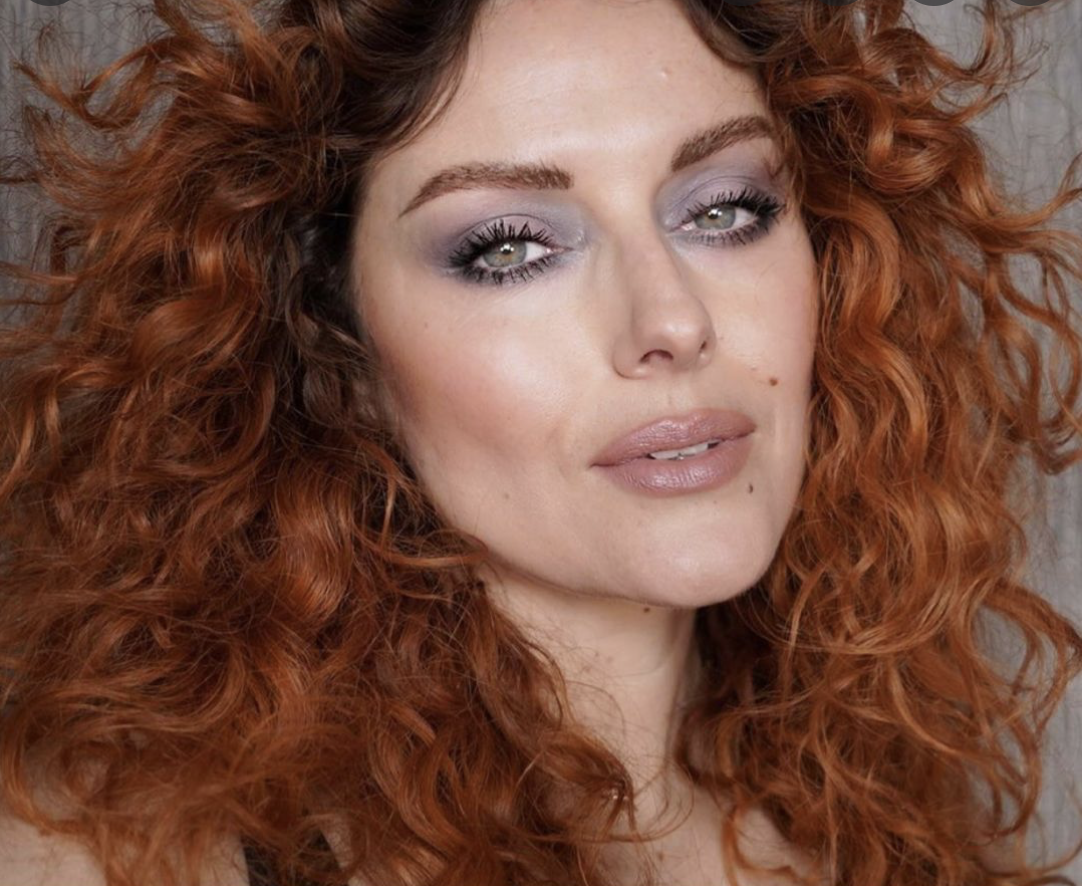
At the beginning of the pandemic, it seemed like several brands would start Instagram Lives hourly with information about products, Q&A sessions with founders or education from experts. Then, livestreaming supplied another outlet for brands, with third-party platforms like Supergreat and Newness becoming destinations for them. This year, brands have made the live selling process frictionless by going live on their own e-commerce sites.
Plant People has gone live on its site via an application on Shopify. The wellness brand promoted the live site event through email, social media posts and a countdown timer on the site. Although Plant People co-founder Gabe Kennedy admits the event wasn’t a smash hit for sales, the brand isn’t abandoning the live format on its site.
“We have a feeling that customers are fatigued by the number of brands constantly selling over social media. We have experienced less focused traction over social,” he says. “By choosing to go live on our own site, we are able to capture high intent members of our community and beyond while giving them a direct path to experience the product.”
Referring to Plant People’s live site event, Kennedy shares, “The traction was great and showed hope that, over time and by integrating our learnings, this strategy can move the needle. It’s a strategy worth testing and continuing to explore.”
Earlier this month, clean beauty retailer and spa Onda held its first on-site selling event hosted by aesthetician Viktoria Kroshyn. CEO Jane Hong says live selling on its site allows Onda “to make the most out of offers and promotions, and to repurpose the content over a longer time period for long-tail monetization.” Other benefits Hong cites are capturing insights in order to fine-tune the content and avoiding third-party revenue splits.
Onda partnered with BeautyLabs, a technology company with an SaaS platform compatible with Shopify, to facilitate the live broadcast. Hong says the company “helped get our team up to speed on best practices in this space. The BeautyLabs team worked closely with us to customize the look and feel for the Onda brand and made integration a breeze so that we were able to be up and running within a week.” Still, Hong recommends going through a dry run before showtime.
Onda was so thrilled with the results of the live event on its site that the retailer will be doing such events weekly going forward to give customers not near its stores access to its aestheticians. Hong says, “To engage a broader audience in living clean and sustainably is a dream come true for a company like ours.”
Fresh skin and barely-there makeup have dominated color cosmetics. Finally, hair is getting its own no-makeup makeup moment. The polished, flatiron-sculpted looks of the 2000s and 2010s are making way for messier, undone hairstyles that let wearers highlight their natural hair texture.
“I’m noticing that ‘messy’ is clearly trending in a big way right now. There’s an effortlessness to a ‘messy’ look that works well in many capacities. ‘Messy’ can totally be chic,” says Andrew Fitzsimons, celebrity hairstylist and founder of Andrew Fitzsimons Hair. “My favorite styles embrace natural hair texture, so I encourage my clients and followers to work with, not against, their natural texture. I think we are seeing more and more people embracing their hair textures, which I love.”
Nunzio Saviano, hairstylist and owner of Nunzio Saviano Salon, reasons the pandemic has been a catalyst for the shift. “Clients are not coming in for cuts and blowouts as regularly as before,” he says. “If they came in every four to six weeks, now they are coming in around eight weeks for a cut. Clients liked that they were able to embrace a more ‘undone’ look that didn’t require as much maintenance and upkeep. Many of my clients now embrace their natural hair and want heatless styles that work with their texture and curl pattern.”
The demand for the “undone” look has become so strong at Nunzio Saviano Salon that Saviano brought in a curly hair stylist specializing in no-heat styling and curly hair blowouts to satisfy it. He’s also spotlighting easier-to-maintain looks on his TikTok account, where a video on a style named the “Cobra“ racked up nearly 300,000 views and 22,000 likes.
“It’s an easy style to recreate for an undone, yet polished and sexy look. The top is smooth, and the bottom has long layers to create snake-like, natural curls at the ends,” says Saviano. A modern version of the 1970s shag called a “wolf cut” features prominently on his TikTok account, too. The style is exceedingly popular on TikTok. “Wolf cut hair” has garnered a staggering 1.3 billion views on TikTok.
Celebrity and editorial makeup artist Katie Jane Hughes is a proponent of showcasing her natural hair texture in fun, effortless styles. She regularly creates content for her 796,000 Instagram followers that breaks down step by step how she creates the bedhead looks. “I’m inspired to leave my hair natural because, as a 38-year-old woman, I have finally figured out how to make the most of my curls in an easy and effortless way,” she says. “For me, I air dry with a beanie on to keep the volume down at the roots, and then put a small bend in it with a flatiron and some sort of air dry hair cream.”
With consumers gravitating to imperfect hairstyles, searches for products that define curls and smooth frizz are climbing. According to online search insights firm Spate, searches for air-dry creams are up 42.7% year-over-year, and searches for anti-frizz products are up 23.3% year-over-year.
The searches for air-dry creams and anti-frizz products are advancing as prestige haircare is on fire. NPD reports that haircare was the smallest, yet fastest-growing category in the prestige beauty segment during the second quarter of 2022. Prestige haircare sales growth averaging 15% in the United States is forecast through the next two years.
Corn might be the vegetable on everyone’s mind—and social media feeds—lately, but broccoli is becoming a veggie to watch in beauty. Brands are turning to the ingredient primarily in seed oil and extract forms to improve skin and overall health.
“Broccoli extract has been found to be very high in antioxidants and contains sulforaphane which can be protective against free radical damage and has been shown potential to treat various diseases and cancers,” says Rachel Nazarian, a dermatologist at Schweiger Dermatology Group. “Protecting yourself from oxidative stressors and free radical damage can prevent premature aging of the skin, warding against early fine lines, wrinkles and uneven skin tone.”
Miami Beach Bum incorporates the ingredient for those reasons in its new products, Save Face SPF Sunscreen and Blocked SPF Body Sunscreen. BrocShot uses the powder form of broccoli sprouts in its single shot drinks. Its formula stars 3-day-old sprouts purported to be 50 to 100 times more powerful than mature broccoli.
Oumere’s UV-R, UV-R Concentrate, Serum Bioluminelle and Advancement Concentrate feature the member of the cabbage family. Founder Wendy Ouriel learned about its benefits from a 2006 study in which two groups of mice were exposed to UV radiation. One group had broccoli sprout extract applied to their skin while the other group didn’t. “The control group had a high incidence of melanoma and the experimental group had 50% less,” says Ouriel, who makes the ingredient herself in Oumere’s lab. It takes about four weeks to complete a batch.
With consumers’ focus on health and wellness not waning, Miami Beach Bum founder Ayssa DiPietro anticipates vegetables, herbs and adaptogens will repeatedly pop up in beauty products. Nazarian agrees, noting, “I believe people are looking for more natural and safe options in the beauty space. Broccoli extract has minimal risk of irritation, can be calming, improve the skin and hair barrier, and offer protective effects from environmental damage. There’s certainly potential to see this ingredient utilized more in skincare and haircare in the future.”
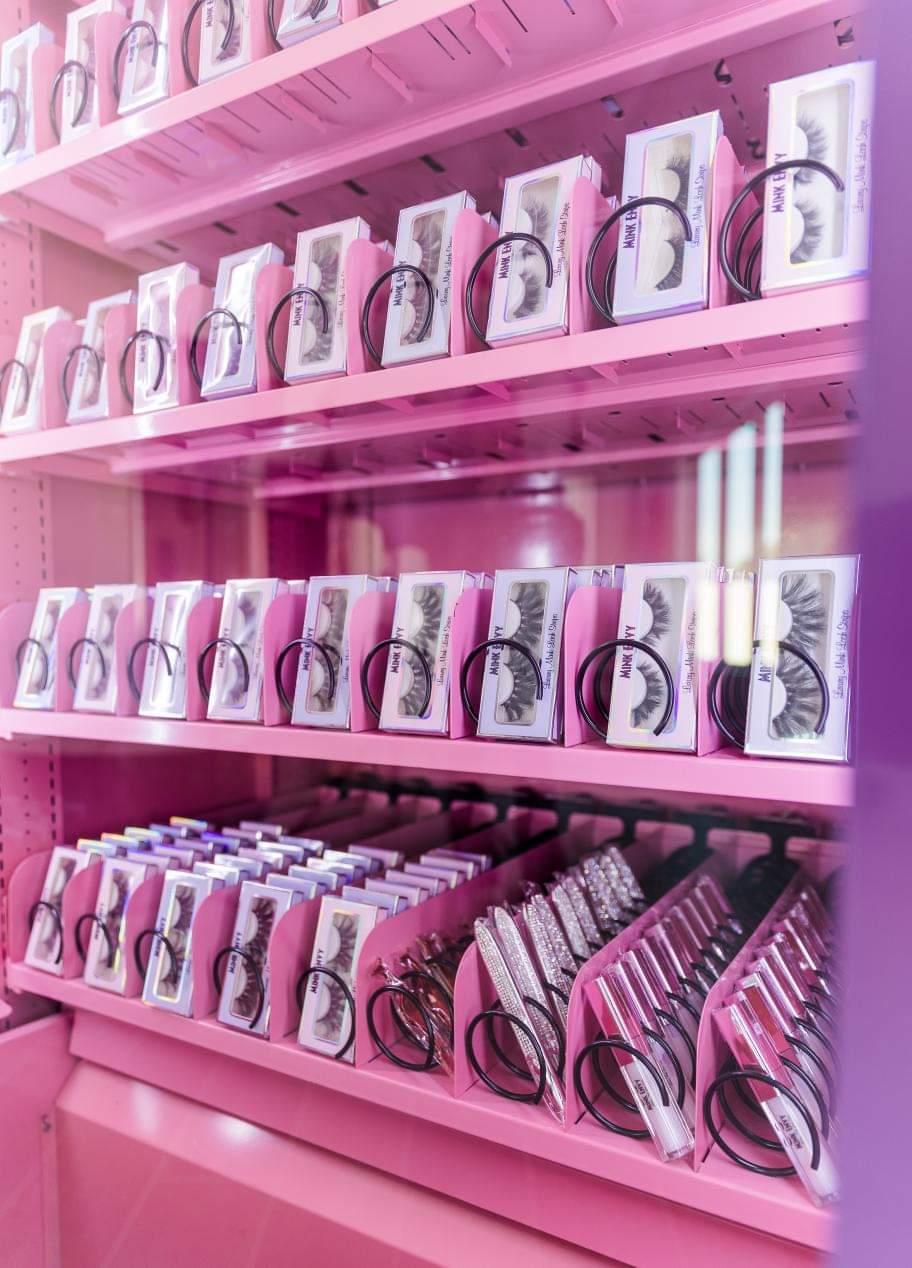
The concept of beauty vending machines isn’t new. Stila premiered a vending machine in 2002, Elizabeth Arden in 2007, and Sephora in 2009. Benefit Cosmetics placed bus-shaped kiosks in airports nationwide in 2013, and beginning in 2019, Kylie Jenner’s face greeted airport goers on Kylie Cosmetics’ vending machines. Now, indie beauty brands are jumping into the vending machine fray.
Ashlee Sarai started her lash brand Mink Envy in 2018. At the outset, she’d arrange product pickups or hand-deliver products to customers in the Baltimore area. Once the brand’s popularity accelerated, those arrangements became overwhelming. “We needed an easier, faster way to serve customers conveniently in the areas we delivered in,” she says.
Sarai considered opening a brick-and-mortar store, but decided the benefits of a vending machine outweighed a physical space. “Had we gone the retail route and taken all of those overhead costs on, we wouldn’t have been able to keep our lashes at a competitive price for our customers,” she says. Lashes stocked in Mink Evvy’s kiosks run from $8 to $13 depending on the length.
Mink Envy’s first vending machine launched in December 2020. Sarai quickly invested in three more at the suggestion of a mall. “One vending machine might only generate around $3,000 per month, but, if you have multiple machines, you could make around $100,000 to $150,000 on average in a year,” she says. Mink Envy currently has 10 vending machines operating at East Coast malls.
Sarai says, “Sometimes customers don’t want to deal with the hassle that in-person shopping can be. Vending machines provide the privacy, efficiency and speed of online shopping.” Plus, customers are able to see the product in real life, albeit through glass. Sarai expounds, “Many of my customers discover styles in my vending machines that they wouldn’t have found online, and other times they find that certain lashes look better in person than they did online.” Mink Envy’s vending machines have a video screen that displays women wearing different styles. “It’s the perfect blend of retro and new age,” says Sarai.
Last month, CBD brand Green Roads plopped 40 machines stocked with its gummies, capsules, topical creams and chocolate bars in 37 malls across the country. Most products in them are travel-sized and under $10. “This gives the consumers in a mall the opportunity to try a new product at a low price before they commit to a full-size product,” says CMO Lee Sosin. The kiosks allow the brand to meet consumers where they are and act as a vehicle for discovery. “The most important factor, particularly with a wellness product, is creating an experience that helps the person find exactly the right product for them, so they can buy with confidence,” he says.
Malls are frequently locations of choice for vending machines. Sarai says, “You have to be strategic about the location because vending machines can get broken into or stolen entirely. We work with malls in specific because they are an enclosed, secure space.” Sosin says that malls “provide an excellent opportunity to engage with such a wide cross-section of America.”
Tress Obsessed has hair, skincare and body care items that are four ounces or less in its vending machines. The machines are in three locations and a fourth will be set up for the holiday season. Given the travel-sized offerings, Tress Obsessed plans to expand its vending machines to airports. It aims to have 25 of them in airports by 2030. “Once we get into airports and higher traffic areas, that will help us triple our current profits,” says Tress Obsessed founder Maxine Pitman.
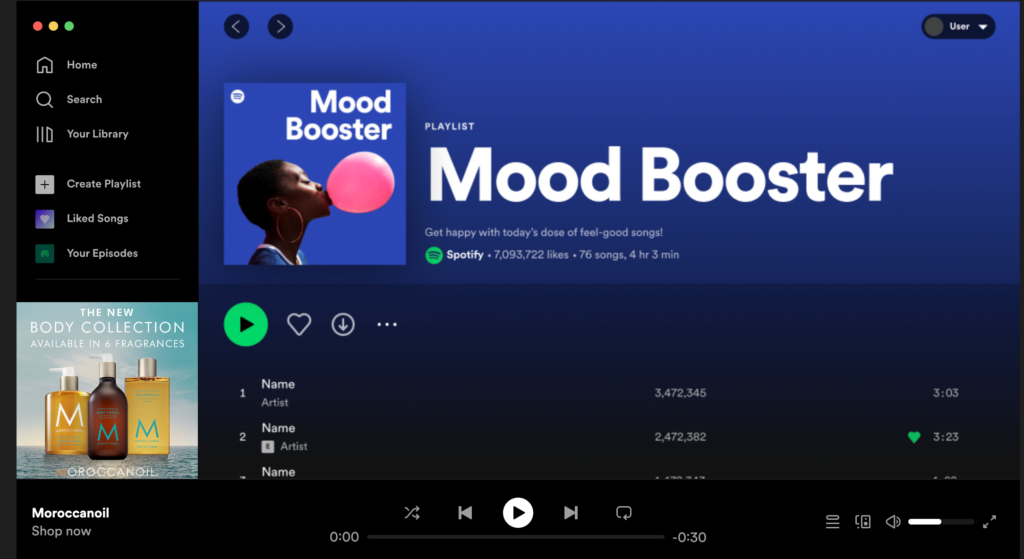
Beauty brands diversifying their marketing repertoires are extending to apps. “Savvy brands will seek out platforms where their consumers spend a lot of time, but are not saturated with competition in their category,” says Leslie Hall, founder and president of beauty performance marketing agency Iced Media.“Streaming platforms with captive audiences and interest targeting capabilities make for ideal testing grounds if they can offer a competitive CPM [cost per thousand impressions] to attract new partners.”
Iced Media recently worked with Moroccanoil to launch its new body collection on Spotify. It was the haircare brand’s first partnership with the music streaming giant. For a month, Spotify listeners received a free gift with purchase on the sale of any product from the collection. Hall declines to comment on the specifics of the outcome of the campaign, but mentions Moroccanoil deemed it a winner.
Hall expects more beauty brands will tap into Spotify’s advertising network to interact with consumers where they are. She says, “The unskippable format of its ad products, competitive pricing, trackable solutions and scalable performance pave the way for more beauty brands to adopt these tactics.”
Brands are partnering with other apps, too. Walgreens Boots Alliance-owned beauty brand No7 teamed up with Clementine, a female-focused hypnotherapy app, to create six mind-skin rituals that guide users through a new menopausal skincare range. Indie skincare and wellness brand Selfmade is following the burgeoning telehealth space to find a platform that aligns with its vision. “We focus on community based mental-health organizations doing the work in communities, particularly of color, on the ground,” says founder Stephanie Lee. “I’m watching to see how these digital brands out there are addressing youth mental health needs in a science-backed and authentic way because that is core to our values.”
Partnering with big platforms may not be the right path for every brand. Under tremendous constraints, budding beauty companies have to be discerning in their assessments of potential partners. “In an age where more consumers are on their phones, shopping, meeting brands and interacting digitally, partnering with digital apps can be a game-changing collaboration,” says Aleni Mackarey, COO of Base Beauty Creative Agency. “As this trend gains popularity, it will be important that brands dig deep into their positioning, their core consumer and their values before deciding if this type of collaboration feels authentic and serves their shoppers.”
Mackarey elaborates, “They’ll need to identify what other activities and platforms feel connected to their target. Maybe brands with a big focus on inner beauty and confidence may consider partnering with mental health apps. Sun care brands with products developed for outdoor sports may consider fitness apps. The awareness-driving possibilities are exciting.”
Many issues accepted for years are getting reevaluated, notably those related to mental or physical health. One of the latest being challenged is period pain. Instructed that it’s a normal part of their menstrual cycles, people with vaginas have powered through it out of necessity. But as women increasingly create period care brands for them and listen to their problems in medical settings, the discourse around period pain is changing.
Naturopathic doctor Saru Bala’s stance on period pain epitomizes the changing discourse. In a TikTok video, she says, “Discomfort is normal, pain is not. Pain is your body’s way of saying something is wrong, address it please. So, if you keep getting told to just deal with your period pain and to take Ibuprofen or birth control, it’s not normal.”
Rooted in traditional Chinese medicine, the herbal supplement brand Elix, which estimates that 90% of people with vaginas deal with menstrual symptoms monthly, speaks directly to the alternative view of period pain that’s gaining steam, especially as women search for remedies that aren’t standard birth control. The brand’s sales have skyrocketed 2,700% since its 2020 launch, and it’s raised $2.7 million in funding.
From the TCM perspective, Lulu Ge, who founded Elix in 2020 after going off birth control and experiencing severe period symptoms, says, “Painful periods are viewed as your body crying out for help. Depending on the type of symptoms, whether it’s heavy and painful bleeding with clots or irregular and unpredictable periods or hormonal acne, bloating, migraines, etc., these are all signs of underlying imbalances.”
She continues, “So much of our focus at Elix is on destigmatizing talking about painful periods and these symptoms so that we can begin to tune in and heal holistically. We’re so often told that this period pain is ‘normal’ or to just ‘suck it up,’ but TCM views our periods as almost like a report card for our overall health, and these symptoms are vital clues that point to how we can heal at the root cause naturally.”
The players
5 mentionedUnder Your Skin

Plant People
Momentous
Better Being
Stila