Indie Beauty Brands Take Flight With Airport Ads And Airline Amenities
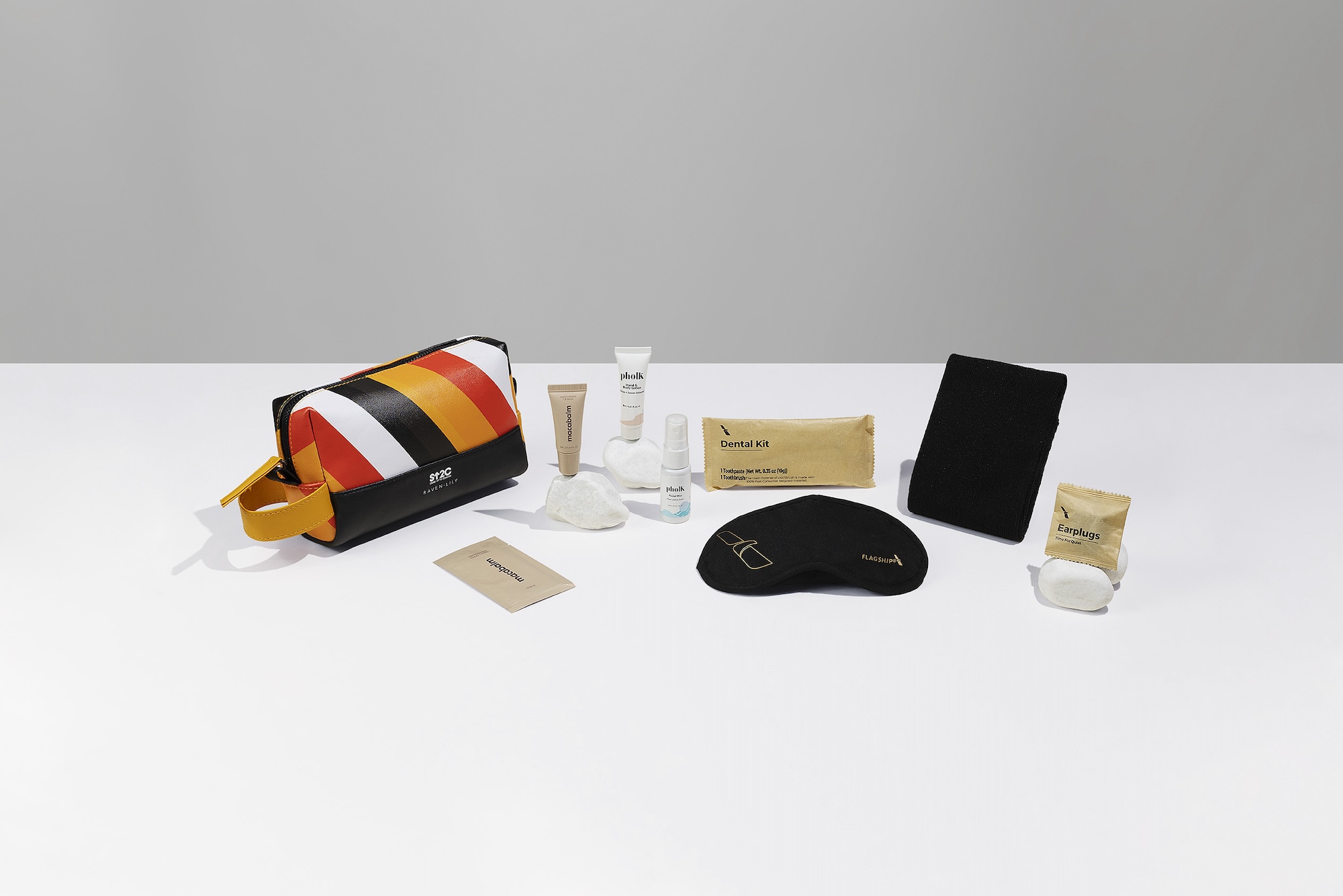
While historically conglomerates like Coty have monopolized beauty’s travel presence, indie brands are increasingly taking up space before and after takeoff. In April, Summer Fridays popped up on billboards around airports and on Transportation Security Administration trays to promote its Jet Lag Collection. The same month, haircare brand The Smooth Company put products on 400 Aer Lingus flights, and beauty retailer Thirteen Lune kicked off a partnership with American Airlines to provide a rotating assortment of brands such as Pholk Beauty and Macabalm for in-flight amenity kits distributed to almost 5 million premium, business and economy-plus American Airline flyers.
“If you’re an indie brand, I think it’s the time to definitely try to get yourself into that arena if you do have that brand awareness because you have a younger generation coming in that’s starting to travel more,” says Ashley Williams, a consultant and former director of international sales and travel retail for haircare brand Oribe. “They’re not the key shoppers yet, but eventually they will be. So, get in their face now.”
Pholk Beauty founder Niambi Cacchioli says, “There really is no opportunity like being in front of millions of passengers every day to get our name out there and then to get our message out there. I just think it’s a really creative way to bring indie brands into a new space. It adds newness in a way that we didn’t see before.”
Kim Cisek, VP of customer experience for American Airlines, says, “In partnering with Thirteen Lune for our amenity kits, our customers are treated to a rotation of new brands and products they may have never considered before, which we hope not only opens their minds to integrating these products into their everyday lives, but also helps make their travel journey with American that much more memorable.”
Since Thirteen Lune’s American Airlines amenities program kicked off, Pholk Beauty’s direct-to-consumer sales have risen 6% and its male customer base has increased. Amenities manufacturer Formia slid into Cacchioli’s DMs in February 2022 to solicit the brand for the program. Initially skeptical, she came around to it once she connected Pholk Beauty’s messaging to travel. The brand created a custom aloe and lemon balm facial mist along with an olive and sweet almond hand and body lotion for the amenity kits, and Formia handled the manufacturing costs, a big draw. Cacchioli says, “The way we source our ingredients is global and tells the story of the African diaspora.”
She adds, “This is a good way for us to test the waters and see and experience in real time what it takes for something like this. We’ve been working on this for two years, so the length of time that it takes to pitch, coordinate, go through all of the different brand screenings, it feels like an amenities accelerator and has really renewed my interest in Pholk entering travel retail.”
Flight amenity kit placement isn’t the norm for indie beauty brands—and cost is a big reason. Williams estimates brands have to invest anywhere from $500,000 to $1 million for such a placement. She says, “Amenities are paid sampling, and you have to make millions of them, so it’s hard for indie brands to be able to afford that.”
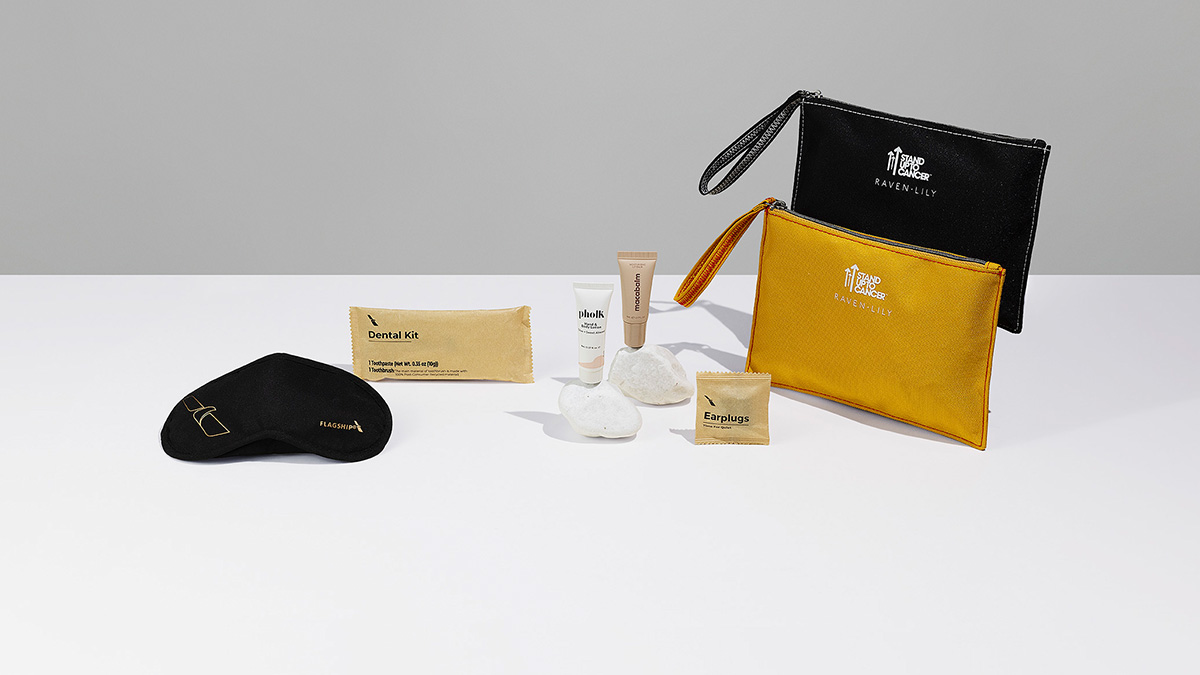
Cost isn’t the only reason indie beauty brands haven’t been amenity regulars. Brands generally have to have a relationship with a distributor or broker to break into the travel space, and distributors and brokers take margin from brands for amenities programs. Williams says, “You really need to have an in with airline…Even then, they usually have contracts with certain brands, so you have to wait until that contract is up and then do a whole pitch process.”
Formia is helping open doors to indie brands interested in amenities. It handles manufacturing, licensing and production for them. Nick Richards, who manages brand licensing, partnerships and business development for Formia, explains airlines are interested in being first to market with brands, and that interest has led him to reach out to smaller brands that haven’t been in travel retail.
“There’s something to be said about working directly with a founder of a brand and a smaller startup team who’s super excited and eager about the opportunity and understands the potential of what that means to be exposed to millions of customers,” he says. “I think it’s a huge opportunity for these smaller independent brands to establish themselves.”
In addition to American and Delta, a few of Formia’s clients are Qatar Airways, Turkish Airlines, Emirates, Korean Air and Singapore Airlines. A partnership with an international airline can be particularly advantageous if a brand plans to expand to a country where it flies.
After The Smooth Company landed in Aer Lingus in-flight boutiques, founder Aine Kennedy reports the brand has experienced an uptick in visibility and new customers, although she declined to enumerate the uptick. She says, “Compared to traditional retail, it’s a unique channel that brings less competition on the shelves and offers our products in a captive environment.”
For other indie brands interested in taking flight, Kennedy advises, “Analyze the airline’s customer base, routes and services to verify that their passengers match your ideal customer profile. Understanding the airline’s market positioning and reputation will help ensure that the partnership is a good fit and that your campaign resonates with the right audience.”
Richards points out that airlines have directives that drive their amenity programs and attempt to stay true to their DNA when executing partnerships. For example, they could be seeking female-owned or minority-owned brands. Alaska Airlines, which is headquartered in Washington, recently placed Los Angeles-based Salt & Stone in its new airport lounge at the San Francisco International Airport.
Cacchioli counsels beauty brands to nail down their messaging and identify products in their assortment that suit the needs of travelers’ skin, hair and lips. Scent is a consideration, too. It has to be passenger friendly. Cacchioli suggests, “If you have something that is really delicate and complex, save that for a prestige buyer. What you need to have is something that is useful and multipurpose for travelers.”
The players
5 mentionedSalt & Stone

Thirteen Lune
Too Faced
AS Beauty
Summer Fridays