How Executives Behind Expert-Founded Beauty Brands Balance Creativity And Business
Kenneth McGranahan
How do you make sure Chris McMillan is able to flourish creatively while the brand is operationally and financially sound?
My primary role is to act as a translator and a partner to Chris. He provides the creative North Star, the inimitable vision that makes the brand special, and his decades of experience to ensure the products are worldclass. My team and I build the operational and financial ship to get there. It’s a system of “structured freedom.” We create a strategic framework—based on our budget, market data and growth targets—and within that framework, Chris has the absolute freedom to create.
I bring him the business case, the consumer insights and the P&L implications so his creativity is informed by the needs of the business, not stifled by them. It’s a continuous dialogue built on mutual respect. He respects that we need to build a sustainable business, and we revere his talent as our most valuable asset.
What’s an illustrative example of your working relationship with McMillan?
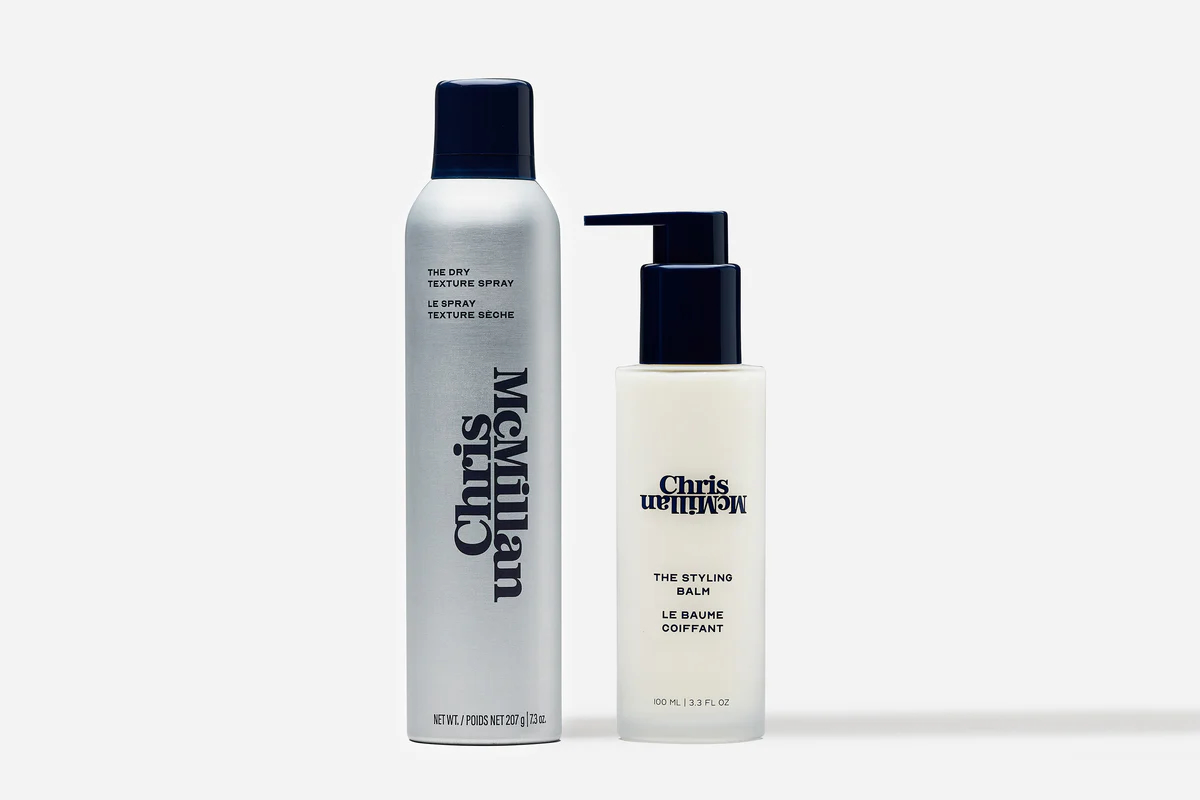
Our development of The Styling Balm is a great example. Chris came to us with a concept, not a brief. He wanted to create the “day old hair same day” texture, but without the typical greasiness and weight one might experience a few days after a blowout. He literally started mixing things in his own salon to get the feel right.
That’s where my team and I step in. We took his raw, brilliant idea and:
- Partnered with our chemists to translate his vision into a stable, scalable and effective formula.
- Presented him with multiple lab samples at every stage, which he tested on his own clients to ensure the performance was exactly right.
- Simultaneously, we built the financial model, sourced the packaging that met his aesthetic and developed the go-to-market strategy.
He was the editor-in-chief of the project, providing the essential creative direction at every key gate, while we managed the entire orchestra of operations, finance and marketing to bring it to life.
How do you maintain McMillan’s authentic voice and vision as the brand scales?
It comes down to codification and culture. First, we developed a comprehensive brand bible. It’s a living document that captures Chris’s voice, his philosophy, his unique “isms,” the words he uses and the aesthetic he embodies. Every creative brief, every social media caption, every piece of packaging copy is stress-tested against it.
Second, Chris remains our ultimate creative director, partnering closely with brand marketing to ensure his vision is embedded across every touchpoint. He’s deeply involved in aligning the team with the brand’s mission and creative ethos, so every member understands not just what we are building, but why.
This alignment allows the team to anticipate his expectations, bringing forward concepts that already reflect his vision. The result is a creative process that’s more seamless, more efficient and ultimately more powerful, delivering a brand world that is authentically Chris.
What are three of the biggest challenges you face today in building the brand that you might not have faced five years ago?
- Audience fragmentation and the cost of attention: Five years ago, you could build a brand on one or two key social channels. Today, the customer is everywhere—TikTok, podcasts, streaming TV, newsletters, etc. Reaching them in a meaningful way is exponentially more complex and expensive. Cutting through the sheer volume of brand noise is our biggest marketing challenge.
- Supply chain instability: The predictability of the supply chain that we took for granted five years ago is gone. We now face constant volatility in component availability, lead times and shipping costs. This requires us to be far more agile, build redundancy into our sourcing, and have a much tighter grip on inventory management.
- The new bar for authenticity: Consumers, especially gen Z, have a sophisticated radar for inauthentic marketing. Founder-led stories are powerful, but they are no longer a novelty. The challenge is to communicate our story in a way that is genuinely compelling and avoids the polished, corporate sheen that immediately turns off today’s consumer. Luckily, we have Chris, and they don’t come more authentic than him.
What was your most critical early hire and why?
Without a doubt, our head of operations. As a marketing-focused executive partnering with a creative founder, our natural inclination is to focus on product and brand, but a brilliant product with a great story is useless if you can’t get it made on time, on budget and into your customers’ hands.
Our head of operations built our entire operational backbone, from sourcing and manufacturing to fulfillment and inventory planning. She is the unsung hero who enables all of the creative and marketing magic to happen.
What’s a misstep that you have made, and what learnings have you drawn from it?
One of my early missteps was believing that, because we were a startup, a small and scrappy team could execute everything. While that mindset built resilience and creativity in the beginning, it quickly became clear that the pace and scale of our growth required more support than a handful of people could realistically deliver. Trying to do it all with too few hands risked burnout and slowed our ability to fully seize opportunities.
What I’ve learned is the importance of hiring ahead of the curve, bringing in the right talent at the right time to both sustain and accelerate growth. Expanding our team strategically ensures we can execute our short-term priorities while also laying the foundation for long-term success.
What skills or experiences do you prioritize when hiring that you didn’t five years ago, and how has your talent strategy evolved?
Five years ago, I might have hired for specific channel expertise, like an email marketing manager. Today, I prioritize two core traits: analytical creativity and learning agility.
I need people who can look at a spreadsheet and pull out a creative insight and who can see a creative campaign and understand its business impact. The digital landscape changes so fast that specific platform knowledge can become obsolete. The ability to learn, adapt and apply strategic thinking to new challenges is the most valuable skill an employee can possess. Our talent strategy has shifted from hiring for a resume to hiring for a mindset.
What are three improvements you would make to the beauty industry if you could?
- Intentional and innovative launches: Brands used to anchor their strategies around one or two annual launches. Today, that looks entirely different. With the influx of new trends and the accelerated pace of innovation, it’s not uncommon to see brands launching four or five products annually. The consumer’s appetite for newness is real, but so is their discernment. We’re committed to launching with intention. For us, that means balancing the cadence of newness with the discipline of true innovation. Every product must be additive, not just to the category, but to our community’s experience with the brand.
- Truth in advertising: We need to demystify our products. I would push for an industry standard where brands explain not just what ingredients are in a product, but why they are there and what they do in simple honest language that the average consumer can understand.
- Redefine “clean” beauty: The term has become a meaningless marketing buzzword that often relies on fearmongering. I would love for the industry to rally around a scientifically backed, transparent and regulated definition so that consumers can make truly informed choices, not ones based on misinformation.
Gary Eustache
What’s an illustrative example of your working relationship with Danessa Myricks?
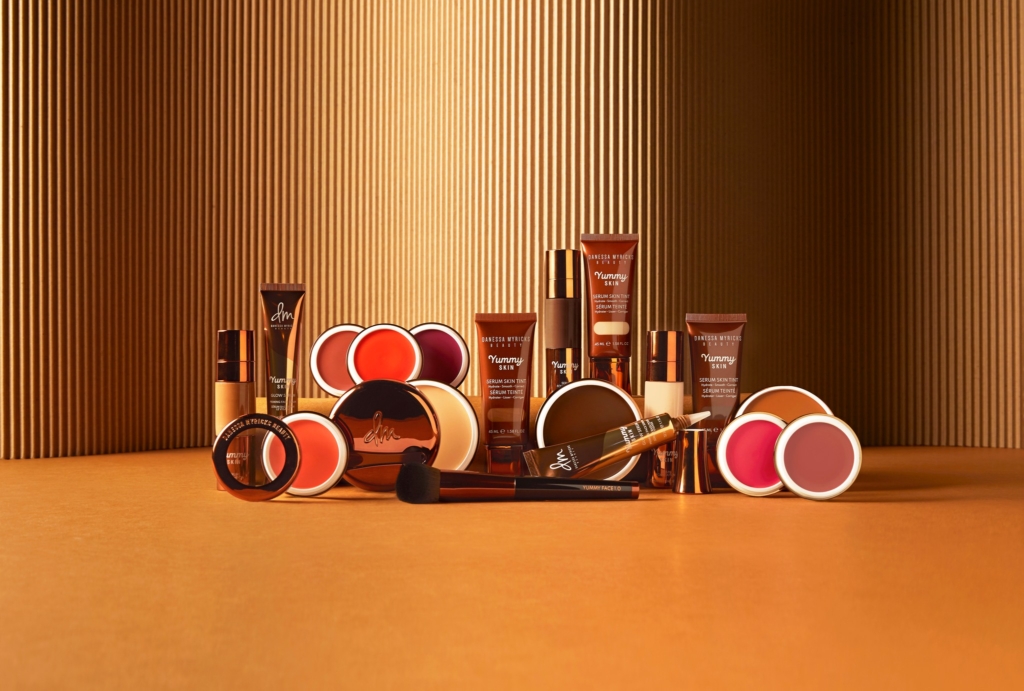
In my 20-year working relationship with Danessa, we’ve built a lot of trust and mutual understanding between each other. The name of the brand is Danessa Myricks Beauty, and it’s based on her vision, creativity, her expertise in the beauty industry and her perception of what the future of makeup could look like. My role is to be able to support her in bringing those dreams to life and interpreting the impact that has on the financial structure of the business.
When Danessa develops a concept, it often begins as something very aspirational and unfiltered by logistics. My job is to take that vision and ask: “How do we bring this to market in a way that preserves the integrity of her idea but also works for supply chain, cost of goods, and retail timelines?”
For example, with our Lightwork palettes, Danessa wanted unprecedented color payoff and textures. We worked side by side to source unique formulations and negotiate production schedules that could deliver that artistry without compromising quality or margin.
What are three of your main goals for this year, and how do you achieve them?
Three main goals for this year are to ensure each team is set up to achieve operational excellence by implementing AI tools to maximize our output potential. Second, I want to make sure we’re optimizing our supply chain so we’re not just faster but also more sustainable wherever possible. Third, deepening consumer engagement through omnichannel experiences.
Achieving these three goals requires both operational precision such as improving forecasting models and cultural alignment across the team so that everyone moves with the same purpose. We believe we can achieve these goals by investing heavily in each team member’s development.
How do you maintain the expert founder’s authentic voice and vision as the brand scales?
Naturally, when scaling a brand, there are some challenges associated, specifically trying to maintain what makes the brand consistent with a brand founder’s vision. What I’ve found to be helpful is implementing quarterly off-site meetings with our leadership team. In these meetings, we review our performance and download Danessa so that she is involved at key touchpoints.
Together, Danessa and I empower each team lead to make decisions guided by her principles of inclusivity and artistry. Every product brief, marketing campaign and retail partnership is anchored in her vision for the brand.
What are concrete ways you are cultivating corporate culture?
Our corporate culture is embedded in everything that we do. The environment needs to be a safe space where everyone is encouraged to share their constructive thoughts and ideas. Danessa and I believe that the company should reflect the community we serve: all age ranges, races, gender identities and so on.
Everyone is represented and given a voice. It doesn’t matter if you’re an order picker in the warehouse or a senior-level executive. We hold bi-weekly company-wide meetings where all employees are invited. The topics range from reviewing each team’s initiatives to current events affecting the culture of the brand, both internally and externally.
These company-wide meetings ensure everyone is aligned and that there are open lines of communication. It’s also important to maintain morale in the office. As such, we celebrate company wins, provide employees extra time off with “breathe days” and provide resources to improve the development of each team member.
What was your most critical early hire and why?
One of my most important early hires was bringing in an experienced finance consultant on an interim basis. This person helped us step back and evaluate the business as a whole, reviewing our inventory, finances and organizational structure. Their insights were essential for our scaling efforts.
Together, we developed a clear five-year plan that aligned our financial goals, staffing needs and space requirements. The process gave us a more accurate understanding of our future cash needs and allowed us to make informed decisions as we grew.
The other key hire was our creative director. This role was critical because we needed someone who could help grow the brand presence and ensure our vision was clearly communicated. It was essential to have a strong leader who truly understood the brand’s DNA, our founder Danessa’s voice, and the culture and mission of the company.
With the right creative director, we ensured that every piece of work, from our brand campaigns to retail displays, reflected our brand storytelling direction and values, keeping our brand identity consistent in everything we shared with the world.
What are three improvements you would make to the beauty industry if you could?
First, more transparency in supply chains so consumers can truly understand what they’re buying. Second, greater diversity not just in marketing, but in boardrooms and leadership roles. Third, I would love to see the beauty industry elevate and celebrate experts in their fields.
There are so many amazing artists, cosmetic chemists, and formulators out there with unique points of view that may not have celebrity status or 10 million followers on TikTok. I would love to see the contribution of these experts be held in the same regard as a celebrity.
Juliette Tang
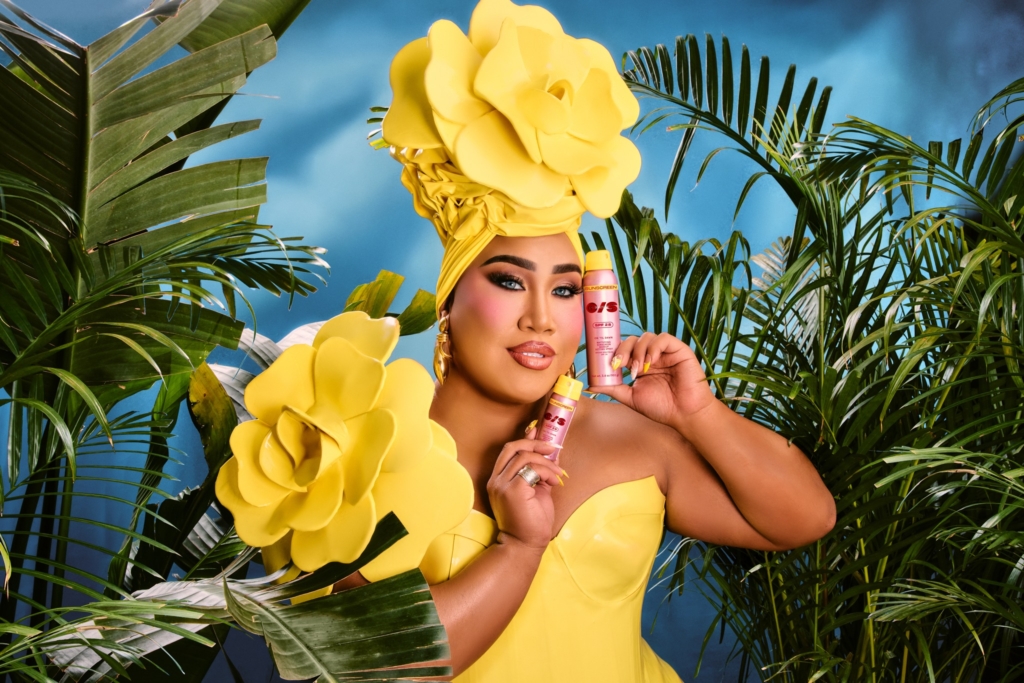
What’s an illustrative example of your working relationship with Patrick Starrr?
I have deep admiration for founders and love working with them. Founders bring the creativity and vision, and it’s the operator’s job to translate that authentic vision into a business that can scale and flourish.
My relationship with Patrick is built on openness and thought partnership. He drives the creative concepts, and I work alongside him to ensure those ideas come to life in a way that’s operationally and financially sound.
A good example is our product development process at One/Size. Every product we bring to market is approved together. Patrick evaluates it from a creative and brand perspective, while I evaluate it from a business, feasibility and margin standpoint. That balance of vision and execution allows us to create products that are both inspiring and commercially successful.
What are three of the biggest challenges you face today in building the brand that you might not have faced five years ago?
One obvious challenge today is AI. The question is how we can leverage AI to streamline processes and add value, while still protecting the uniquely human aspects of beauty: creativity, authenticity and the sensorial experience of product development, marketing and storytelling.
Another challenge is the pace of attention, trends and culture today. How do brands create something timeless while navigating a marketing landscape that moves faster than ever? That said, every challenge brings opportunity, and we’re embracing the possibilities that come from all these shifts.
What are concrete ways you are cultivating corporate culture?
We want our employees to feel authenticity, growth and balance. For authenticity, we make sure everyone has a voice in everything we do, whether it’s giving feedback on how we operate or sharing ideas on new products. For growth, we invest in our team as the business grows, encouraging them to take on new projects, raise their hands for challenges and stretch themselves, but with guidance and support.
We also grow rookies, people who may not have all the experience yet but have the drive and mindset, and develop them quickly. And, for balance, we run a hybrid model with two days in the office each week. It works well for a Los Angeles team, giving people flexibility around traffic and distance while still providing a space for the whole team to come together.
What’s your position on remote versus in-office work?
Whether a business is in-office or remote really depends on the company and its stage, but in general I’m a big believer in a hybrid model. I think most modern businesses work best when employees get the flexibility to work from home or in the office. At One/Size, we come in two days a week as a team, and that setup works perfectly for us.
What’s a misstep that you have made, and what learnings have you drawn from it?
Earlier in my career, I ran performance marketing. I’d watch campaigns take off and deliver incredible returns, sometimes 20 times the dollar spent, but over time they’d inevitably start to taper off. I noticed the same pattern in other areas of the business, like broader marketing efforts, product development or even financial processes. This taught me that every single part of a business has to evolve for the whole company to continue growing.
One of my mantras is, “It works until it doesn’t.” I remind myself and my teams of this when strategies that once drove results start to lose impact. One of the biggest missteps a business can make is to rest on its laurels.
How do you think artificial intelligence will remake beauty C-suites and broader beauty teams?
I don’t see AI remaking beauty C-suites or teams, but I do see it becoming a valuable team member, a collaborator or an extension of the team. I’ve read that half of American workers are already using AI in some way, whether for research or refining ideas.
AI can be a powerful sidekick that empowers individuals, but I firmly believe that beauty products and experiences should remain human-centric. To truly serve customers, empathy and understanding must come from person to person.
David Olsen
How do you make sure Rose-Marie Swift is able to flourish creatively while the brand is operationally and financially sound?
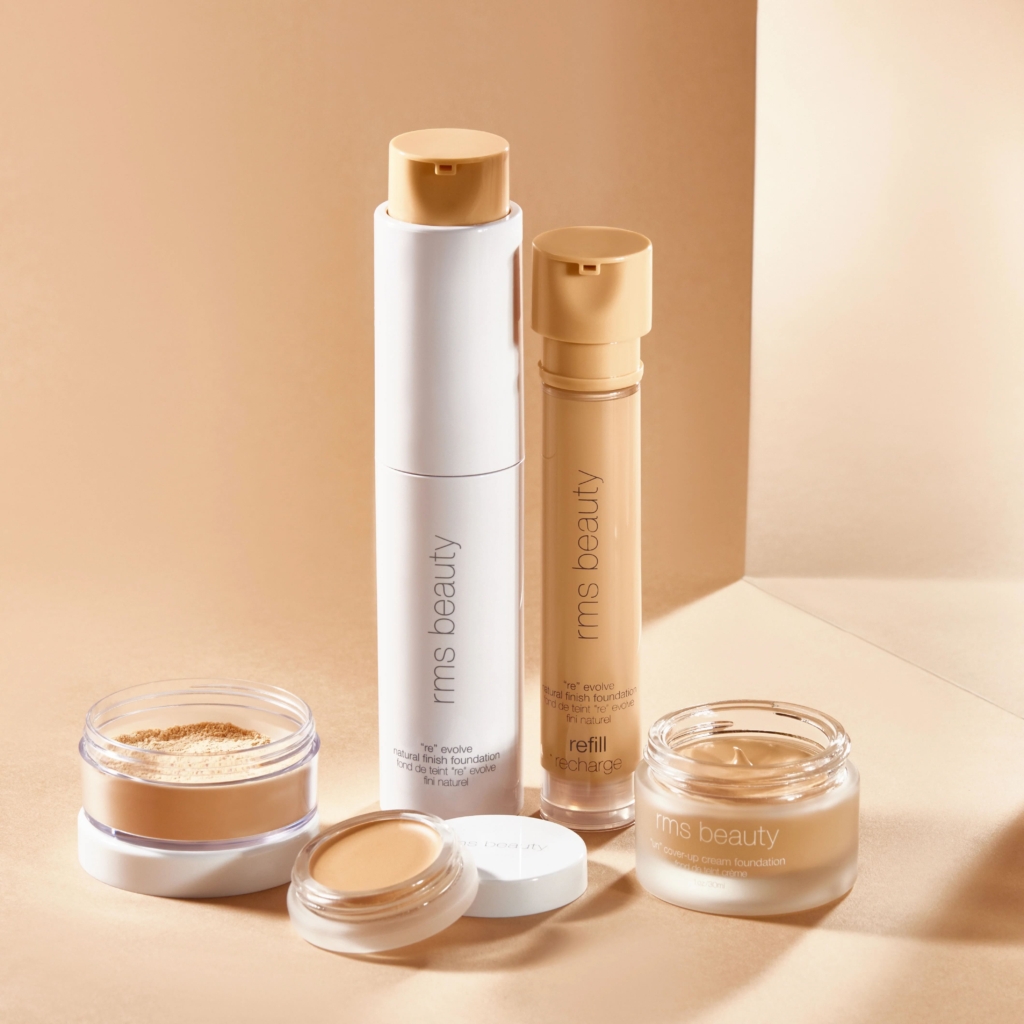
Our strength comes from balance. Rose-Marie continues to inspire with her artistry and creative vision, but the brand doesn’t rely on her alone. We’ve built a deep team across product development, marketing, digital, social, retail and operations and are all pushing the brand forward with the founder and her support. That’s why RMS has endured since 2009 and why we’re only now hitting our true growth trajectory: authenticity paired with a modern team and infrastructure, built to scale.
What’s an illustrative example of your working relationship with Swift?
Rose-Marie and I have a great working relationship. We balance each other well. She focuses on her strengths in creativity, product expertise (nobody better than a professional makeup artist) and training, while I focus on the business side and driving the message.
I’ve worked with founders in the past who struggled to let go, which can hold a brand back, but Rose-Marie was thrilled never to look at a spreadsheet again. She has been a tremendous partner since day one. We even joke that we’ve only had two real disagreements, both times when I tried to step into her world or she into mine. That mutual respect is what makes the partnership work.
What are three of the biggest challenges you face today in building the brand that you might not have faced five years ago?
Three things stand out today that weren’t nearly as pressing five years ago. First, customer acquisition costs are significantly higher, which makes retention, where RMS excels, all the more critical. Second, retail execution has become far more complex, which is why we’ve brought our field team in-house to ensure the brand shows up with authenticity every day on the floor. Third, the demand for quality content has exploded across digital, social and retail, and it requires a constant stream of assets, for which we’ve built the team and systems to deliver.
What’s your position on remote versus in-office work?
Five years ago, I would have said being in the office was critical, but the pandemic completely shifted that perspective. We signed an office lease in January 2020, then quickly had to send everyone home, then brought people back part-time, and ultimately outgrew the space and converted it into warehouse operations.
Today, our 40,000 square foot facility houses operations, HR, customer service, finance, and product development, while our sales, digital, and marketing teams are fully remote. I’m remote, myself.
The model that works for us is hybrid. Creativity benefits from collaboration, but flexibility is key to attracting and retaining talent. What makes it successful at RMS is the culture. People are aligned with the mission, we have a “camera always on” policy to stay connected, and we gather in person once or twice a year to recharge and reconnect. It’s proof that when the culture is strong, the model works.
What’s a misstep that you have made, and what learnings have you drawn from it?
We once tried to open too quickly with a retail partner and made mistakes on our opening order. I take responsibility for that and apologized to the partner, but the experience forced us to tighten every process. It made us far more disciplined and ultimately prepared us for our Ulta launch, which was executed as close to flawlessly as possible. The learning was clear: pace and preparation matter, just as much as ambition.
What would you tell the next generation of beauty industry executive hopefuls about following in your footsteps?
Learn to master both the art and the science. Strategy and creativity without execution won’t scale. Execution without strategy and creativity won’t last. RMS is proof of what happens when you get both right: artistry paired with the discipline to scale.
But don’t mistake the polished campaigns or flawless launches as effortless. The truth is, building and sustaining a brand is brutally hard work. It takes resilience, constant problem-solving and long nights that no one sees. If you can embrace both the creativity and the grind, the rewards are worth it.
Roshini Greenwald
How do you make sure the Mary Phillips is able to flourish creatively while the brand is operationally and financially sound?
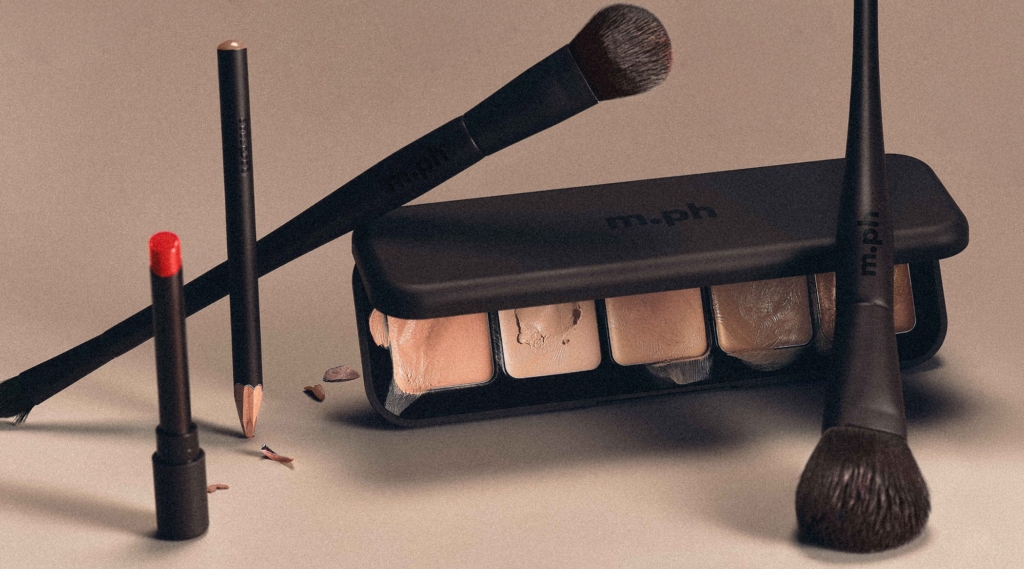
My role exactly as the president is to make sure I take Mary’s founder vision and brand aesthetic and build that into a strategy that our team can bring to our clients and retailer partner that is operationally and financially sustainable.
I believe the way to do that without compromising any of her vision is through a clear understanding of the context and experience that creates her vision so we can always get into our clients hands the M.ph experience and Mary Phillips technique.
What’s an illustrative example of your working relationship with Phillips?
Working side by side with Mary is truly a pleasure. We count on each other to be curious and collaborative when building out our strategy together for the brand.
One example is when we created our gondola in store. Mary played a huge role in the design aesthetic and branding and asked me a lot about the consumer and beauty advisor experience from my years of expertise working with Sephora.
We balanced each other’s experience and skill set in a way that brought to life a beautiful gondola that represents our M.ph DNA and is going to be setup to be very productive and engaging with clients.
What are three of the biggest challenges you face today in building the brand that you might not have faced five years ago?
As with beauty category in general, the makeup space is no doubt more crowded than ever, with new brands launching constantly on DTC and in Sephora. Even versus five years ago, there is a lot more noise and activity in the beauty space, so I think it’s even more important than before to have a clearly defined brand voice that clients can authentically feel a part of.
Also, there are a lot more global economic factors at play for brands when developing and manufacturing products that is putting more pressure on brands today to make sure we are finding the right partners who can grow and scale with us in a financially viable roadmap.
Lastly, I see a generational shift in employees joining beauty companies. What new junior employees want from their employer is different than even five years ago what new team members were looking for.
It’s exciting to bring in new fresh perspectives, and I see that these employees are looking for an even deeper connection to and with the brand they work for. It’s an exciting challenge and makes building a strong culture right from the start of a business of utmost importance.
What are concrete ways you are cultivating corporate culture?
This is deeply important to me and something I’ve always really focused on as a leader. Firstly, transparency and empathy are at the core of my leadership style. This comes into action through our bi-weekly all team meetings where every department shares out all they are working on and we have time and opportunity for folks to ask questions, understand what’s happening and leave the meeting feeling that sense of belonging to the team and transparency about what is to come ahead for the business.
I also find that defining some core processes early on in a company are critical to building a strong culture. Team members understanding their role in business activities helps to empower them and allows them more time for creativity and strategic thinking, both of which help fuel a positive company culture.
What’s a misstep that you have made, and what learnings have you drawn from it?
I think, early on, when I was still adjusting to the change from my corporate background to a new startup environment, I accepted a lot that I thought was, “how it must be done at an indie brand,” and I learned later that, in fact, with the right resources and team members, there isn’t just one way to do things at a startup. I wish I listened to my instinct a bit more in those early moments because it would have saved me a lot of time and stress accepting what I didn’t need to.
What are three improvements you would make to the beauty industry if you could?
I think we need to keep the conversation around DEI very much in the strategic minds and discussions for brands and the industry as a whole. There is still a lot of improvements that need to be made here.
The second is I feel a lot of brands in the beauty space feel this sense of more is better in terms of putting out innovation and content, and I find it overwhelming for clients. I’d love the industry to move toward fewer bigger meaningful innovation, still with plenty of room for everyone, new brands, and products, but I think it will be more exciting for clients if we can move toward that.
Lastly, I’m excited and eager to see more female leadership at the top of big beauty companies and retailers. I think it’s incredible to see female CEOs at the two biggest beauty retailers out there—Ulta and Sephora—and I’m excited for more of that in our future!
Ariel Gold
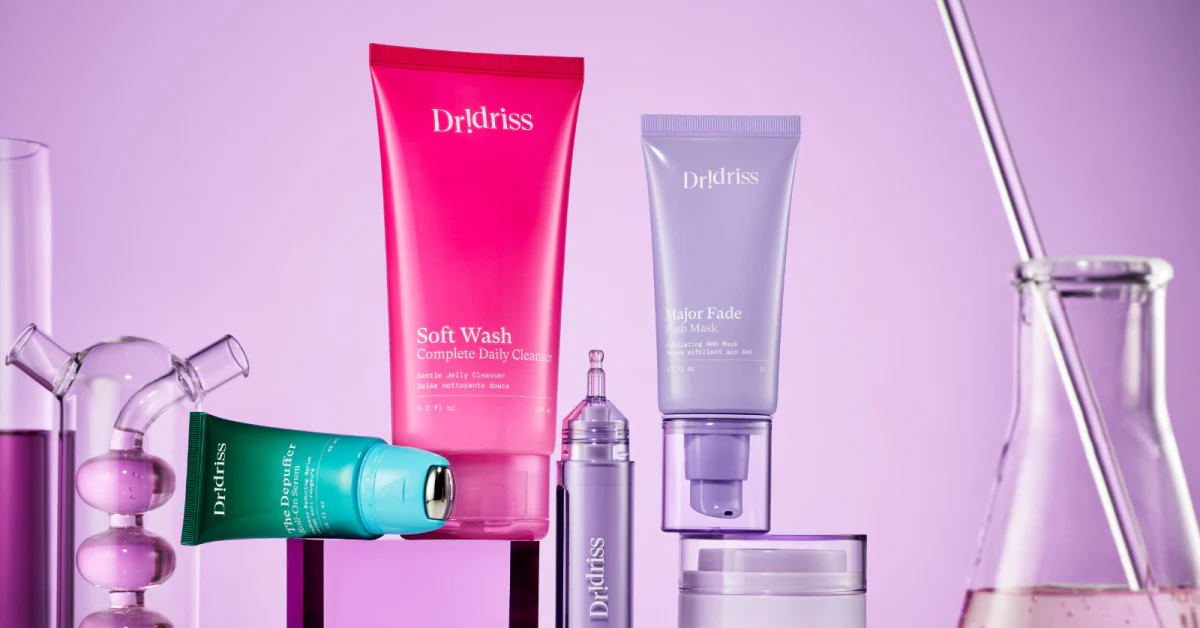
How do you make sure Dr. Idriss is able to flourish creatively while the brand is operationally and financially sound?
We strike a balance between creativity and operational discipline by grounding all of our decisions in data. Our founder is not only highly creative, but also data-driven, which makes it easier to ensure that creative ideas are aligned with performance goals.
We regularly analyze the results of our creative efforts, whether that’s advertising, social media or visual merchandising, review the key takeaways with our founder, and then adjust our strategy as needed. This process allows creative expression to flourish while keeping the brand financially and operationally sound.
What’s an illustrative example of your working relationship with Dr. Idriss?
An illustrative example is how we manage social media at Dr. Idriss. Our social media manager works closely with the founder to plan and execute the brand’s and her personal content calendar. At the same time, she reports into the broader marketing function, which the founder doesn’t directly oversee.
This overlap could be challenging, but it works because we’ve clearly defined roles and maintain open, honest communication. The founder and I are very direct with each other about our strengths and areas for growth, which allows us to align quickly and keep both the creative and operational sides moving forward smoothly.
What are three of your main goals for this year, and how do you achieve them?
My three main goals for this year are:
- Driving revenue. At the end of the day, growth is what allows us to continue investing in the brand. For us, that means focusing on both retention and acquisition, strengthening our DTC channel, scaling our retail partnerships thoughtfully and making sure every marketing dollar is working as hard as possible.
- Building a best-in-class team. I firmly believe the business can only scale as fast as the team behind it. That means hiring with intention, investing in training and development and making sure we have the right mix of expertise, curiosity and work ethic. Culture also plays a huge role here, ensuring the team feels empowered and aligned with our mission.
- Optimizing marketing across brand and growth. We’re laser-focused on balancing brand-building with performance. On one hand, continuing to strengthen Dr. Idriss’s voice and authenticity across channels. On the other, making sure our growth marketing is efficient, data-driven, and constantly tested and iterated.
The way we achieve all three is through focus. Every activity we take on as an organization must ladder up to one of these priorities. If it doesn’t, it gets tabled for the future. That level of discipline ensures we’re not chasing distractions and that our energy is concentrated on the things that truly move the business forward.
What are three of the biggest challenges you face today in building the brand that you might not have faced five years ago?
One challenge is building a best-in-class team. Today, there are more companies competing for talent, and post-COVID, employees are prioritizing lifestyle preferences like remote-only work over traditional career growth. Balancing those expectations with the needs of the business is a constant challenge.
Second, it’s standing out in a crowded market. There are far more brands today, and it’s no longer enough to have a strong aesthetic or a big paid media budget. Differentiation requires a sharper articulation of value and a clear, authentic point of difference.
Finally, a more personal challenge is that experience makes you more cautious. Five years ago, with less knowledge, I was quicker to take risks—signing a contract or placing a purchase order without overthinking. Now, I see all the possible downsides, which can lead to analysis paralysis. The upside, though, is that experience allows me to anticipate challenges and make more informed decisions.
What’s a misstep that you have made, and what learnings have you drawn from it?
One of my biggest missteps has been not addressing performance issues quickly enough. In the early days, I sometimes held on to employees out of loyalty or because they were a strong cultural fit, even when it was clear their performance wasn’t meeting the bar. The reality is that the team you hire on day one is rarely the same team you need two years later.
What I’ve learned is that in a startup environment, you have to act with urgency. As soon as performance issues surface, it’s critical to address them directly, whether that means clear feedback, a performance improvement plan or making the difficult decision to part ways. The nimbleness of startup culture applies to people decisions, too, and moving quickly ultimately serves both the employee and the business.
What would you tell the next generation of beauty industry executive hopefuls about following in your footsteps to guide a prominent brand?
I’d tell the next generation of beauty executives that this path is incredibly rewarding, but it’s also incredibly demanding. First, it’s all-consuming. You have to be ready to eat, sleep and breathe the brand, especially in the early years.
Second, you need a strong sense of self and clarity around your own superpower. Working with a founder, navigating financial constraints and often operating without internal mentors can be tough. The only way to thrive is by being secure in what you uniquely bring to the table.
Finally, no matter what your background is—marketing, operations, sales—you must understand the financial side of the business. P&Ls, cash flow, accounting basics: these are nonnegotiable if you want to make sound decisions and guide a brand successfully.
Samantha Kitain
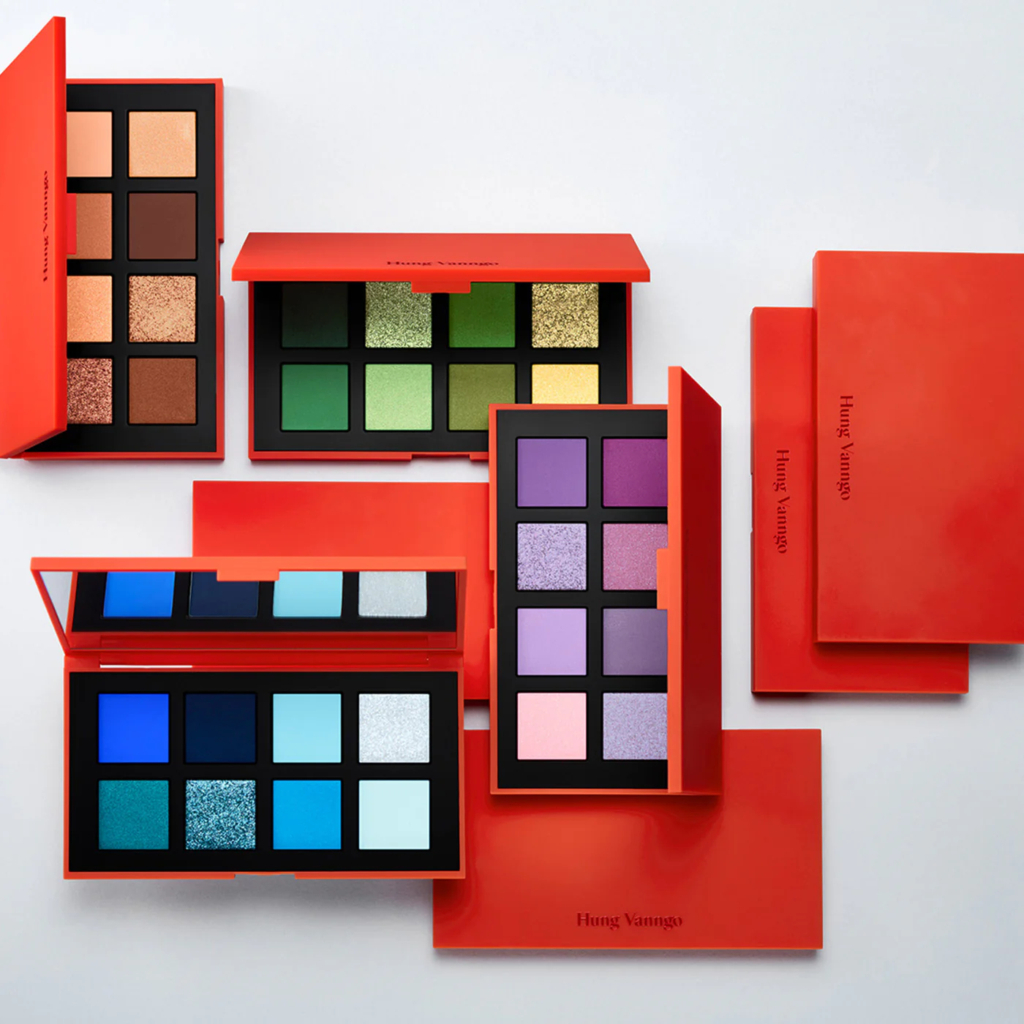
How do you make sure Hung Vanngo is able to flourish creatively while the brand is operationally and financially sound?
It’s critical that brand operators build a strong relationship and connection with the brand founder. From the beginning, it was important for me to learn what mattered most to Hung Vanngo when it came to his namesake brand and then make sure the business plans aligned with upholding those key values.
How do you maintain the expert founder’s authentic voice and vision as the brand scales?
It’s obvious that you want to have a founder’s input and approval for all elements of a brand, but what’s really critical is having them deeply involved throughout the entire process and really integrated within the team. For an expert founder like Hung Vanngo, his vision for the brand is his true legacy, and that goes beyond the products to also creative direction and visual identity.
Our team has spent a lot of time with him to understand that vision and make it a reality. If you have a deep and true understanding of the core of what drives a founder’s creativity, you can carry it forward with the brand no matter how large you scale.
What was your most critical early hire and why?
When you’re working with an expert founder, you have to think beyond operational execution when building the team. It’s not enough to have industry veterans who can run a company, you truly need the type of profile to understand the great founder vision and have the ambition and motivation to drive it forward.
At Hung Vanngo Beauty, it was important for me to hire not only strong functional experts within their discipline, but candidates who had the flexibility and problem-solving abilities to be able to understand what a founder is looking for and find ways to make it happen. With Hung’s strong point of view and creative vision, we focused on bringing in great partners in product development and marketing who could understand what he wanted to do and find ways to make it happen (within budget!).
What’s your preferred method of conducting meetings and the cadence of them?
One of the most exciting parts about this opportunity is the chance to not only build a brand, but to build a corporate culture along with it. Within beauty, I still think there is no substitute for in-person collaboration and quality time, whether that is a meeting or impromptu conversation in the office. Our teams have come up with some of our best ideas or problem-solving solutions just by talking through things in real time versus thinking separately at our computers in silos.
At the same time, we’re still a small and scrappy team, so I’m very conscious of everyone’s time and avoid imposing regular meetings just to have a meeting. I value having an open-door policy with the team and also make myself available any time to answer questions or just talk something through.
What skills or experiences do you prioritize when hiring that you didn’t five years ago, and how has your talent strategy evolved?
Over the last few years, I’ve learned a lot about the benefits of developing and cultivating talent within your organization. As a result, when I interview candidates, I’m always thinking about if and how they could grow within the organization beyond the role at hand. Sometimes that means prioritizing a broader background of skills, but it also means identifying profiles of people who have shown their willingness and ability to stretch beyond their comfort zone to take on a new challenge.
What would you tell the next generation of beauty industry executive hopefuls about following in your footsteps to guide a prominent brand?
Build relationships with the people around you and work collaboratively with everyone. Become the person that everyone wants to work with because you help solve problems versus create them. All the opportunities I’ve had came along because someone I used to work with thought I would be a good fit for a need, so you never know when those relationships will take you to your dream job.
Teresa Lo
How do you make sure Jonathan Van Ness is able to flourish creatively while the brand is operationally and financially sound?
Jonathan and I are partners and our skillsets complement each other. My job is to focus on making sure the business is running smoothly operationally and profitably, which allows him the space to think creatively about future product development, innovation and content.
We communicate very openly so the other is always aware of things happening in all areas of the business. We have a lot of trust and know that the other is working within the guardrails that we have defined together.
What’s an illustrative example of your working relationship with Van Ness?
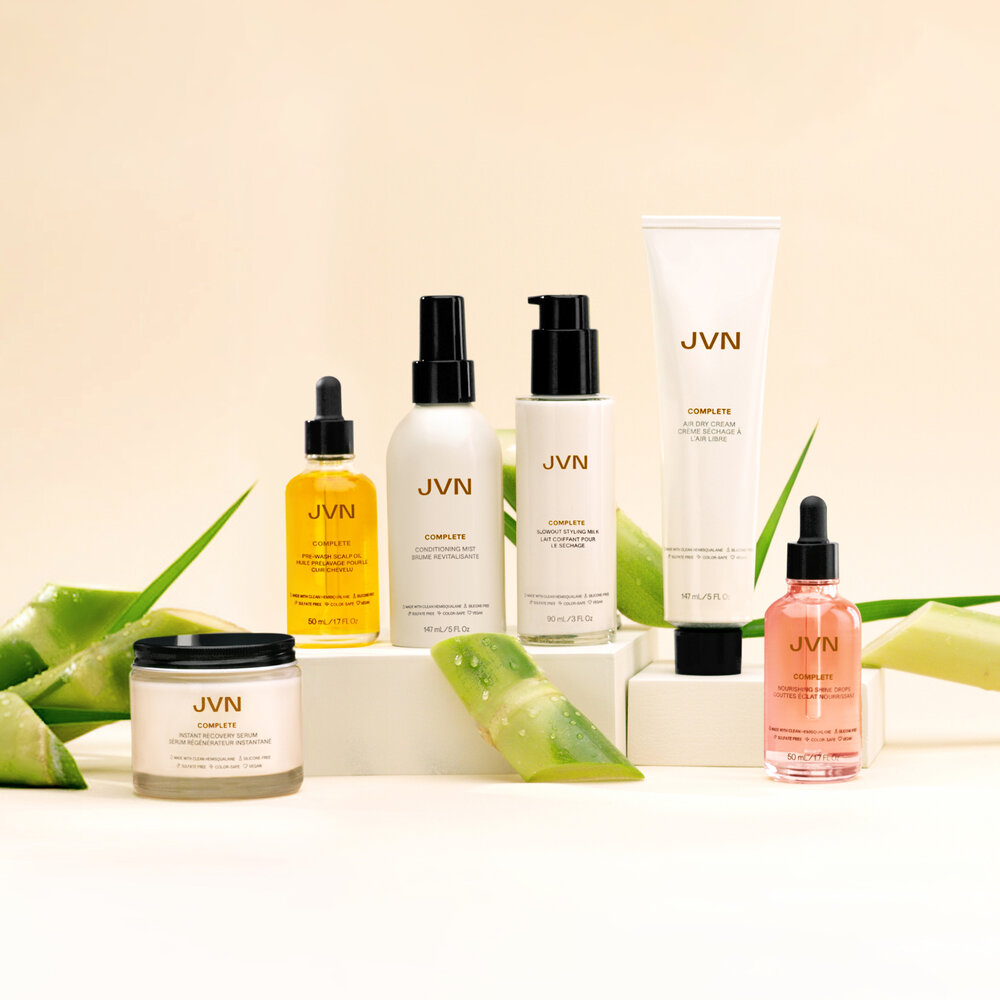
Jonathan and I speak nearly daily. A great example of how we work together is the upcoming launch of our jumbo size Air Dry Cream. Jonathan is always listening to consumer feedback and one of the most common comments he heard was the need for more Air Dry Cream for denser, longer, or more textured hair.
He shared the feedback with me and my job was to figure out how to bring this to life by sourcing new components, optimizing product margin, selling into retailers and identifying the best time for launch.
How do you maintain Van Ness’s authentic voice and vision as the brand scales?
Jonathan’s voice and vision have never wavered for the brand. Regardless of how big we scale, all product development is approved by him. We have also built and hired an incredible team that lives and breathes our brand guidelines. Regardless of how big or small an initiative is, we always hold our brand pillars and brand voice to the highest standard and never deviate from them.
What’s your position on remote versus in-office work?
It’s 2025 and we need to have more flexible work environments. There is value to collaborating in-person and there is value in letting people work from home. Half of my team, myself included, are working parents. Allowing flexibility for team to manage their own schedules is a valued benefit. There is a lot of trust within my team and that’s the most critical to success, much more so than being in-office.
What’s a misstep that you have made, and what learnings have you drawn from it?
Not making a decision fast enough is the biggest misstep any leader can make. You will never have perfect data, but, oftentimes, it’s a bigger mistake to delay a decision than to make a decision more quickly with imperfect data. I am a big fan of fail fast and learn.
What would you tell the next generation of beauty industry executive hopefuls about following in your footsteps to guide a prominent brand?
Be curious. Be genuine. And be a little crazy. The beauty industry is so much fun and requires so much creativity and gumption. I always say you have to be a little crazy to work in this industry!
Beth Risley
How do you make sure Mara Roszak is able to flourish creatively while the brand is operationally and financially sound?
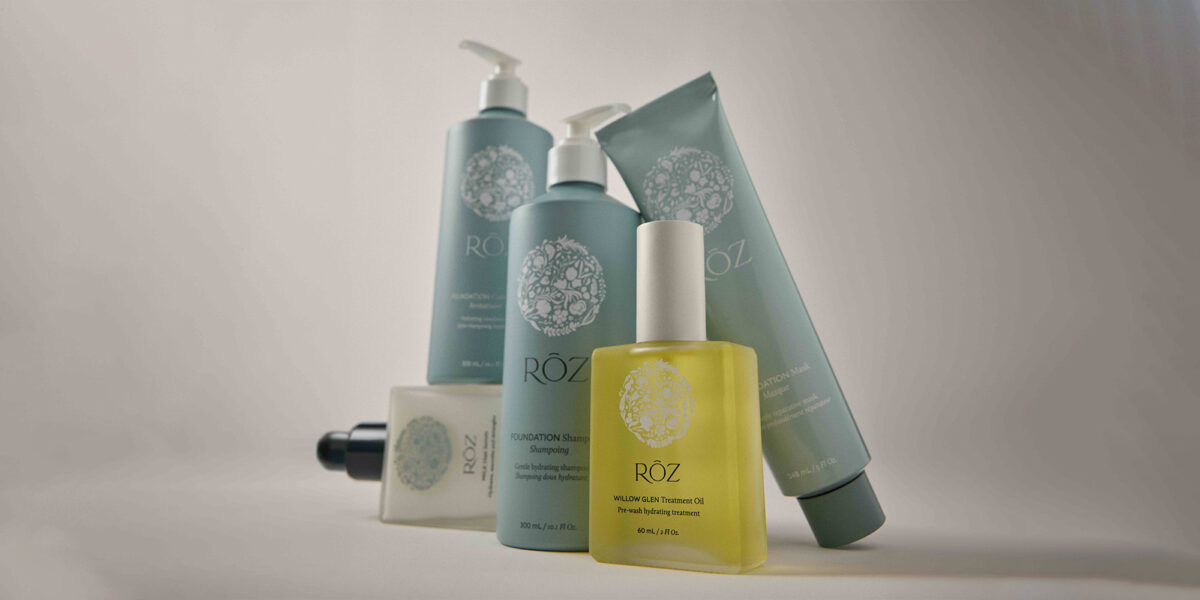
Mara’s artistry is the heartbeat of Roz, and my role is to protect and amplify it. I’ve learned that the right operational systems don’t limit creativity, they unlock it. A huge part of making that possible is the work of our president, Alyssa Ferenz, who has been instrumental in creating the systems and structures that support the business and, in turn, my areas of marketing.
At the same time, Mara has built a leadership team that is both operational and visionary. I feel fortunate to stand alongside some of the best in the industry—truly the top of the top—which ensures Mara never has to compromise her vision. At Roz, that balance of operational rigor paired with creative freedom is what allows the brand to dream, experiment and flourish without distraction.
What’s an illustrative example of your working relationship with Roszak?
Mara is juggling so much at once—running a brand, working as a celebrity hairstylist, and being a mom of two—so her time is everything. Yet, somehow, she’s always available to me, which feels like such a gift. We’re in constant dialogue, sharing sparks of inspiration in real time. I’ll often capture them in my iPhone notes so I can develop them further and carry her vision forward.
When Mara shares inspiration from her stylist chair, my instinct is to think about how that idea can make our consumer feel seen, how it affirms their natural beauty, simplifies their routine and brings joy to caring for their hair. From there, I build the structure around it: how it comes to life at retail, how we support it through storytelling, and how it resonates in culture.
At its best, our partnership feels like a relay. Mara hands me a spark of artistry, and I shape it into something that can meet the world at scale, without ever losing her authentic touch.
What are three of your main goals for this year, and how do you achieve them?
Our No. 1 goal this year is awareness. Roz has grown as a true IYKYK (if you know you know) brand. Word of mouth has carried us because, once consumers try the products, they fall in love. Just like I did before I took on my role at Roz. Now it’s about amplifying that discovery and trial at scale.
Equally important is deepening consumer trust, continuing to build RŌZ as the brand that affirms and enhances natural beauty rather than asking people to change themselves. We’re also focused on driving meaningful growth at retail, ensuring our partners not only see Roz as a beautiful brand, but as one consumers return to again and again and partner with us to support that growth.
And none of this happens without the team. We’re intentionally cultivating a culture where excellence and kindness coexist because, when people feel safe, inspired and valued, their best work shines through. That’s what fuels a brand designed to stand the test of time.
What are three of the biggest challenges you face today in building the brand that you might not have faced five years ago?
The landscape has shifted so much in the last five years. First, the sheer saturation. Standing out requires more than just good marketing. It really comes down to trust and authenticity.
Then, there’s the complexity of omnichannel. The path to purchase is no longer linear. A consumer might first see us on TikTok, then walk past us at Sephora, then circle back weeks later after hearing about us from a friend. We have to make sure the experience feels seamless and consistent no matter where the consumer meets us.
And, finally, consumer expectations are just higher than ever. It’s not enough for a product to perform, it has to feel aligned with her values, affirm who they are and fit into their life with ease. On top of that, we’re navigating things like tariffs, supply chain shifts and category oversaturation, which add another layer of challenge. The bar has never been higher, but I think that’s what pushes us to be sharper and more intentional in every decision.
What was a previous position you had that was integral to getting where you are?
My seven years at Kosas shaped me profoundly. I was the third employee, working out of the founder’s garage office at first, and had the rare experience of building a brand truly from the ground up. What started as a tiny team of three grew into more than 80 people with a global retail footprint, and I got to be part of every stage of that transformation.
That journey taught me so much: How to earn trust with retailers like Sephora, how to build marketing that not only resonates but endures and how to create systems that support growth without losing the artistry that makes a brand magnetic in the first place. It was an education in entrepreneurship, scrappiness and vision.
Those lessons stay with me every day at Roz. They allow me to support Mara in translating her artistry into something scalable and enduring, while still protecting the magic that makes her and the brand so unique.
What’s your preferred method of conducting meetings and the cadence of them?
I’m a big believer in working sessions. I work best when I’m collaborating, when there are other voices in the room, and when we can take an idea and turn it into something tangible together. I’ve seen too many threads of emails drag on for days with no resolution, whereas a single working session can get us farther in an hour than back-and-forth ever could.
I also believe meetings should have a clear purpose. Sometimes that purpose is strategy, sometimes it’s alignment, and sometimes it’s simply giving someone the space to feel seen. I don’t over-index on one-on-ones unless they’re truly needed because I prefer removing middle layers of communication and giving people real autonomy.
Structurally, I like rhythm, but not rigidity. Weekly team touchpoints keep us aligned, biweekly deeper dives let us problem-solve, and monthly sessions give us the space to zoom out. To me, the best meetings are energizing, they spark clarity, collaboration, and momentum.
What are three improvements you would make to the beauty industry if you could?
What’s most beautiful is that Roz is already doing what I hope everyone follows suit. It’s why I joined the brand, and why I deeply believe in its values, mission, and founder.
First, I’d shift the language. I would love to see beauty move away from “fixing” and toward affirming. Too often, messaging makes people feel like they’re not enough. I’ve lived in that world of chasing perfectionism, and I know how exhausting it is. Beauty should feel like an invitation to be, not a checklist of rules to follow. When it becomes ritualized to the point of guilt or shame, it stops being empowering, and I think we can do so much better.
Second, I’d focus on long-term trust instead of short-term hype. I deeply care about legacy and heritage. I think about which brands will still be here 100 years from now, not just which ones are trending on TikTok this week. For me, it’s about creating products and promises that endure, serving us now while standing the test of time for future generations.
And, finally, I’d elevate diverse expert voices. Artistry and authority should come from many perspectives, not just a select few. I’ve been fortunate in my career to meet incredibly talented people from all walks of life, and I know how much brilliance is out there. True inclusivity, in every sense of the word, makes the industry stronger, more innovative, and far more reflective of the world we actually serve.
The players
5 mentionedRitual

AS Beauty
Danessa Myricks Beauty
Momentous
Topicals