The Hard Water Rush: Haircare Brands And Retailers Address Mineral Buildup As Consumer Awareness Grows
That growing realization, fueled by TikTok education, climate-driven water concerns and brands increasingly calling out mineral buildup, has pushed hard water haircare from a fringe salon topic into a bigger discussion drawing attention from professional, prestige and mass-market haircare players. According to consumer insights firm Spate’s Popularity Index, searches for hard water have grown 71.6% year-over-year across Google, TikTok and Instagram.
Drilling down into solutions, Spate’s data shows shower filters, hard water shampoo and chelating shampoo have seen search bumps of 42.4%, 48.2% and 29.7%, respectively. The top brand searched on Google alongside hard water shampoo is Ion, a haircare brand owned and sold exclusively by Sally Beauty, with an average of 1,100 monthly searches. On TikTok, the top related branded hashtag is #malibuc, with an average of 2,200 weekly views.
An estimated 80% to 85% of Americans live with hard water, defined as water that contains high levels of dissolved calcium and magnesium, a reality that often goes unnoticed until it begins interfering with product performance. The term “hardness” was originally applied to water that was difficult to wash in, as minerals prevented soap from properly lathering.
Cosmetic chemist Javon Ford addressed the topic of hard water haircare in a December video on TikTok, explaining why traditional shampoos often fall short when it comes to mineral buildup. “When using a regular shampoo, the calcium likes to stay behind in the hair and build up over time, making it look dull and eventually brittle,” he says. “To mitigate that, use chelating shampoos with chelators like EDTA [ethylenediamine tetraacetic acid] that bind to metal ions such as calcium, iron and copper.”
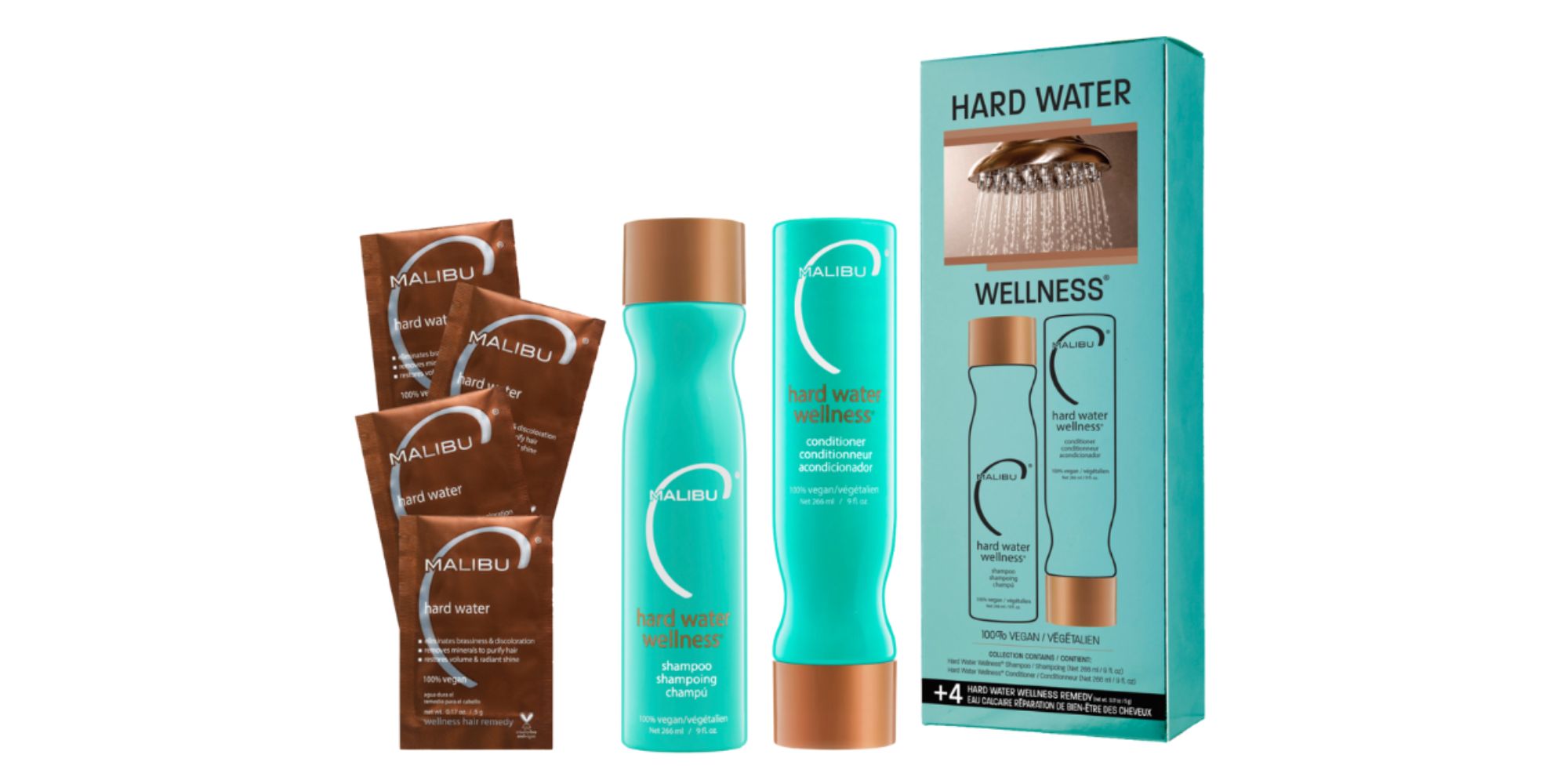
Longtime hard water specialist Malibu C is leaning into the renewed attention as it expands beyond its salon roots. Established in 1985, the brand has historically relied on stylists to educate clients about mineral buildup, but is now amplifying that message at retail as it rolls out this month into more than 1,000 Target doors. The retailer is carrying Malibu C’s Hard Water Wellness shampoo and conditioner and Swimmers Wellness shampoo and conditioner. CVS picked up the brand in 2024.
Founder Tom Porter says retailer interest and Malibu C’s sales traction reflect greater consumer awareness around hard water. The brand uses vitamin C to help remove buildup from the hair and scalp and has averaged double-digit sales growth over the past five years. Malibu C has achieved an eight-figure revenue run rate without taking on external funding. The brand educates consumers on hard water by sending test strips that allow them to assess mineral levels in their water and hair.
At the research and development level, technical interest has been mounting. In 2024, Procter & Gamble filed a patent for a haircare formulation developed to perform more effectively in hard water and tackle challenges around foaming and lather in mineral-rich conditions, according to CosmeticsDesign. In January 2026, CosmeticsDesign Asia reported that L’Oréal Research & Innovation published a study demonstrating that hard water significantly destabilizes foam structure in shampoos and other cleansers, highlighting the formulation challenges mineral-heavy water poses to product performance.
Beyond dedicated hard water products and R&D, the topic is showing up in brand education, marketing and events. In January, L’Oréal Professionnel hosted a “Detox Yourself” event at Aire Ancient Baths in New York City to spotlight its Metal Detox Mask. The product is part of a broader collection that includes a pre-treatment, shampoo and oil designed to remove metals from inside the hair fiber. Although the line launched in 2021, the brand says it remains a priority as the conversation around hard water gains traction.
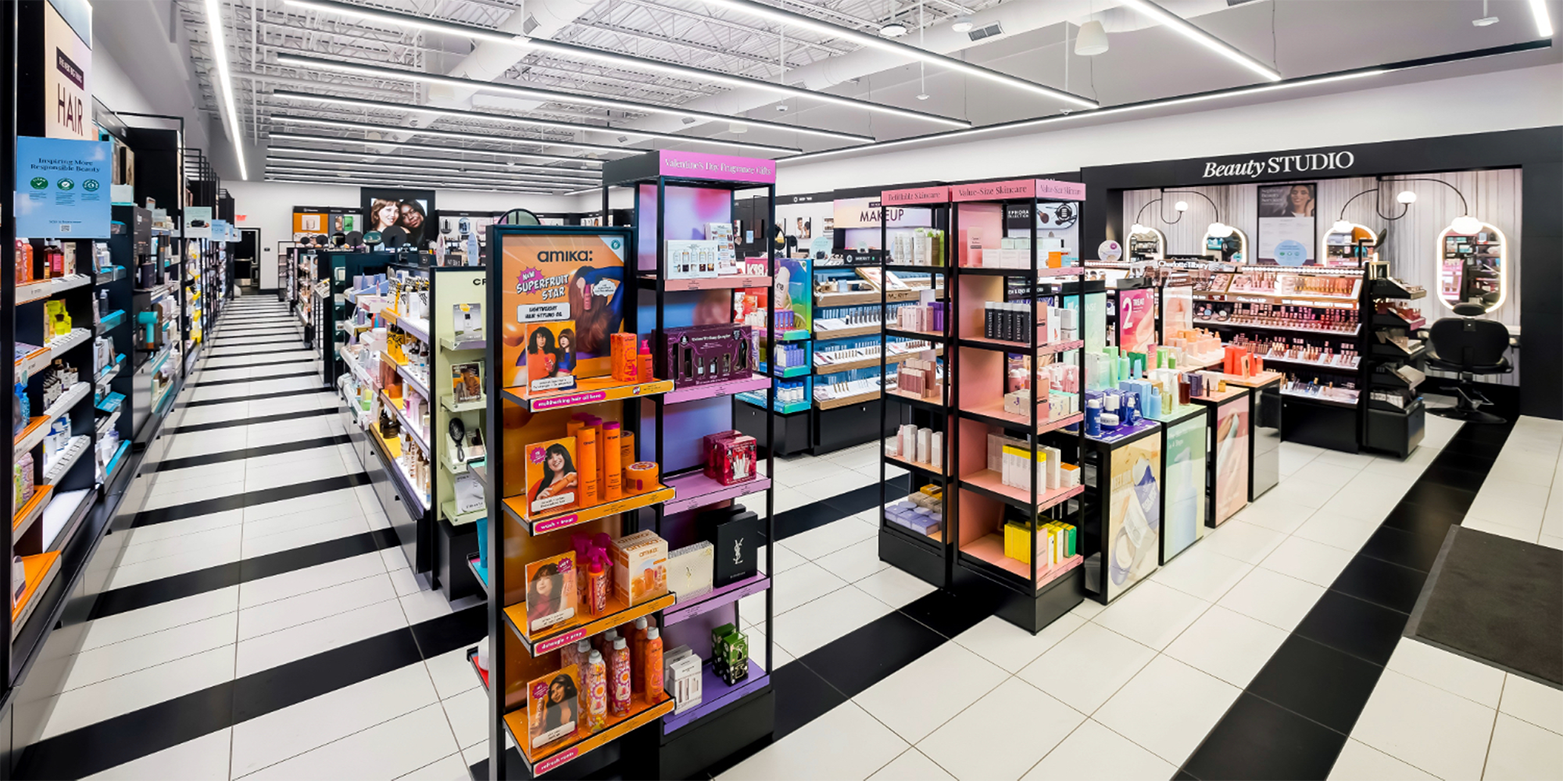
Sephora is responding to the hard water rush with a dedicated hard water shampoo section on its website highlighting products such as Ouai Detox Shampoo, Act + Acre’s Clarifying Hard Water Shampoo and Color Wow’s Dream Filter Pre-Shampoo Mineral Remover. Meanwhile, haircare brands including K18, Epres, KeraFactor and Ouai have referenced hard water and mineral buildup in product messaging and consumer education, identifying it as a factor that can interfere with repair treatments, cleansing and overall hair performance.
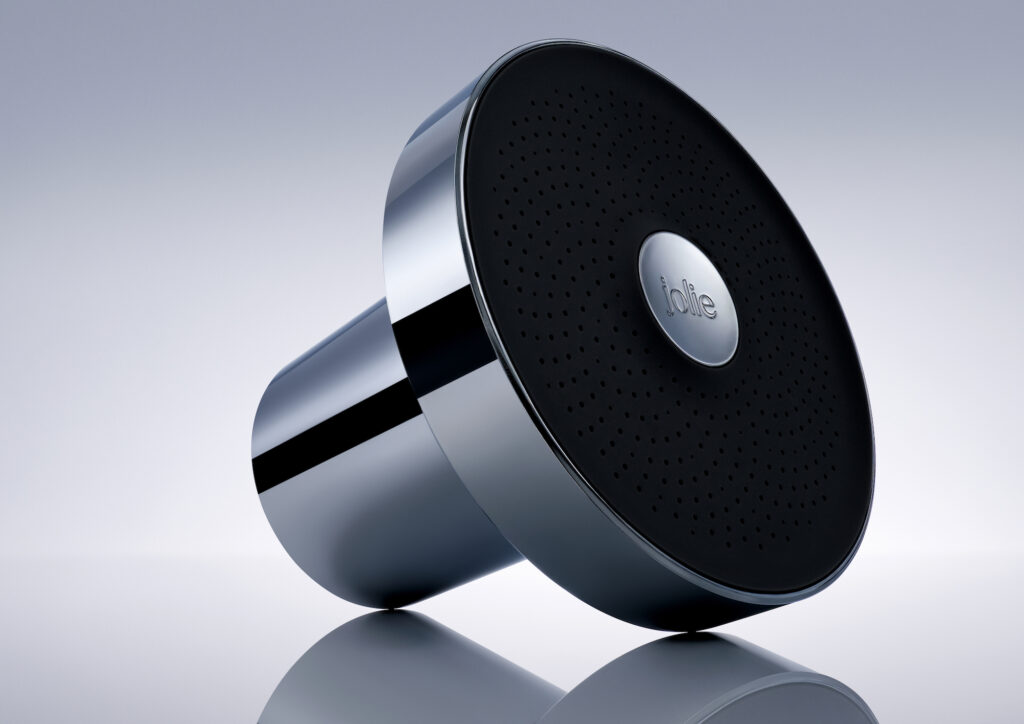
Shower filter brands were particularly impactful in bringing the notion of hard water into the mainstream haircare conversation. Launched in 2021 with a $126 shower head, Jolie has been at the center of the filter frenzy. The brand’s shower head claims to filter 85% of chlorine and heavy metals such as lead, arsenic, mercury and chromium from water for up to three months based on average shower use. Jolie entered Ulta in 2024, and founder Ryan Babenzien told Beauty Independent at the time that the company anticipates surpassing $100 million in revenue by 2027.
Shower head filters often feature in conversations about hard water, but both Porter and Ford stress that they don’t filter calcium and magnesium in the way many consumers assume. Ford explains, “Removing actual calcium and magnesium from water requires much more than filtering it out like you can with some heavy metals. It requires ion exchange.”
Porter adds that many shower head filters he has tested fill up in a matter of weeks. Truly softening water on an ongoing basis, he suggests, requires a full water softening system. “You need a big tank and to think that a little shower head is doing that is false marketing to consumers and misleading them,” says Porter. “It’s so easy if you just understand the technology and understand your situation.”
Seemingly in recognition that shower heads aren’t sufficient to mitigate the effects of hard water on hair, shower filter brands are branching into haircare. Hello Klean, which launched in the United Kingdom in 2019, introduced its Anti-Thinning Hard Water Shampoo and Anti-Breakage Hard Water Shampoo in 2024. “The shower head and filters focus on prevention by reducing chlorine and heavy metals before they reach the hair and scalp,” says founder Karlee Ozener. “The shampoo then works to neutralize remaining mineral residue and strengthen the hair. Together, they create a complete water-first routine.”
Hello Klean’s sales are split roughly 70% filters and 30% haircare products, though hair and body products are among the fastest-growing elements of the business. In January, the brand launched a scalp serum it claims is the first designed specifically for harsh water, describing it as neutralizing mineral stress and restoring balance over 72 hours. Ozener says, “Scalp care in particular is a key focus, as we see it as the foundation for long-term hair health, especially in harsh water environments.”
Other brands and retailers are likely to follow suit and lean further into the hard water haircare conversation. Porter concludes, “When you’re talking about 80% of the population in the United States, this is going to continue to be a growing story.”