Haircare Emerges As K-Beauty's Next Big Category
Sarah Chung Park, CEO of Landing International, a distributor that has brought 13 K-Beauty brands to Ulta Beauty, names the brands Dr.ForHair, Rooton, Narka and Hair+ as rising K-Beauty haircare stars. Other haircare players are Base-K, Perseve Hair and Cosrx, the Amorepacific Corp-owned skincare brand that’s dipping its toes into the category.
“K-hair is at the beginning of a global breakout moment,” says Chung Park. “K-Beauty haircare is gaining popularity in Western markets as more consumers adopt a skincare mindset toward hair, prioritizing long-term health over quick cosmetic fixes.”
Charlotte Cho, founder of K-Beauty marketplace Soko Glam and skincare brand Then I Met You, points out that K-Beauty haircare is distinguished by a scalp-first philosophy. She says South Korean haircare products are formulated to be light and layered, and they incorporate “ingredients like ginseng, snail extracts, fermented ingredients and gentle exfoliants” rather than silicones that mask damage. Taking a page from skincare, there are essences for the scalp, serums for split ends and double cleansing options.
Among the haircare brands Cho has curated for Soko Glam are La’dor, Dr. Orga, Mise En Scene and Ryo, and she plans to grow its haircare repertoire due to burgeoning interest. Like with other categories, a challenge for South Korean haircare brands as they travel outside of their home country is their ability—or lack thereof—to cater to diverse audiences.
“Korean haircare is currently centered on meeting the needs of hair textures that are largely thin, fine and, for the most part, straight and not textured,” says Cho. “To be a global player, they must meet the needs of the diverse consumer base in the U.S. and beyond.”
The profile of K-Beauty haircare is mounting as the haircare category has been comparatively strong in the American beauty industry. According to market research firm Circana, prestige haircare sales climbed 4% on a dollar basis in the first quarter this year and registered a single-digit bump in the mass market as well. Sales of prestige styling products were up 12%, and hair wellness, scalp care, hair thinning, hair loss and heat protection were significant themes. Overall in prestige beauty, sales in the first quarter were flat. Mass-market sales inched up 3%.
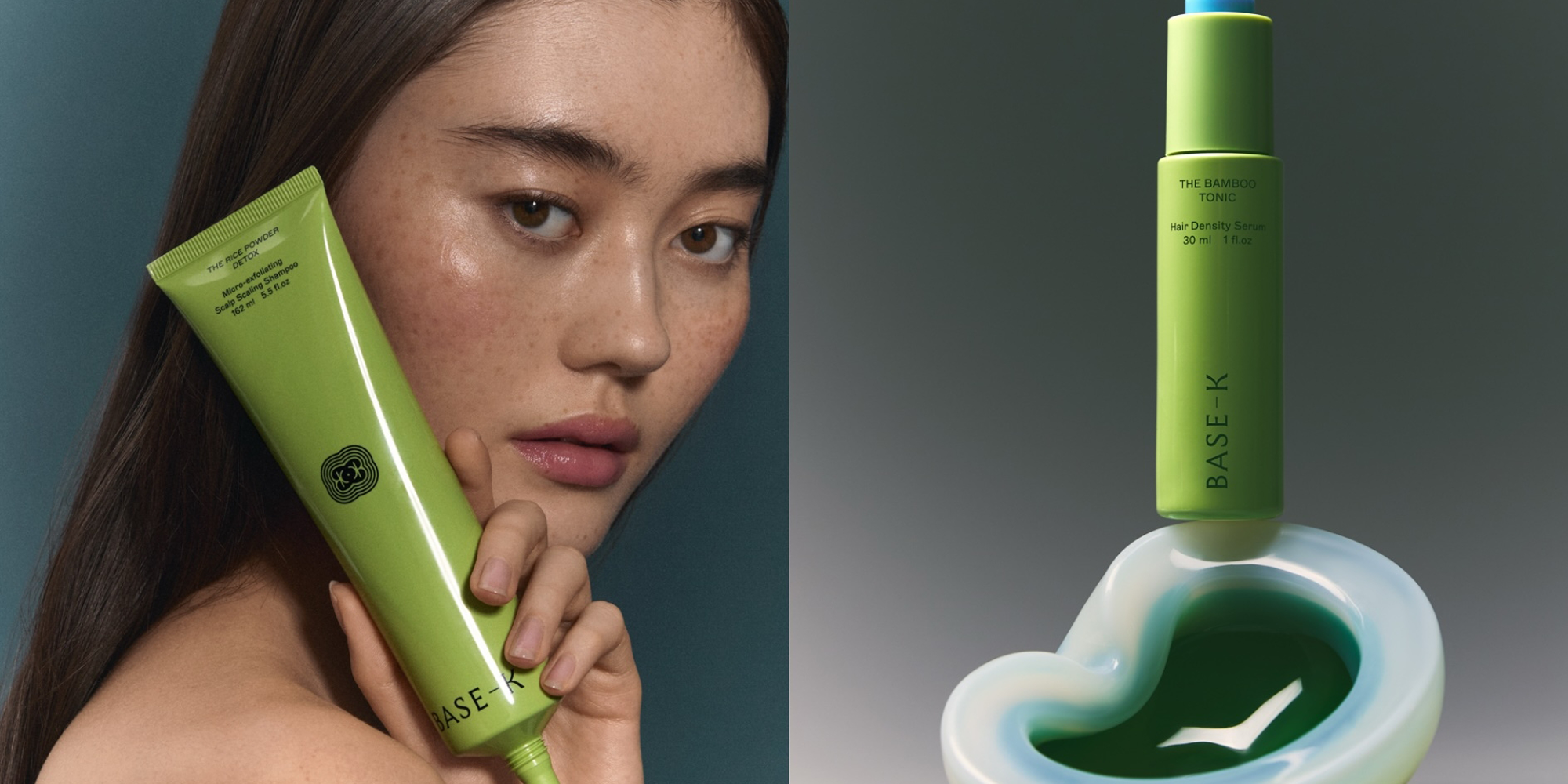
A visit to a Korean head spa in 2022, which she hadn’t previously heard of and describes as offering a “facial for the scalp,” inspired founder Kristin Lim to develop Base-K. Launched in June, the brand focuses on hair thinning, an issue Lim was diagnosed with during her head spa visit. It has two products: the $52 hair density serum The Bamboo Tonic and $48 scalp exfoliant The Rice Powder Detox. Priced each at $36, two additional products will be released soon: thickening shampoo The Matcha Rinse and thickening conditioner The Rice Cream.
Lim says, “Our vision is to build an ecosystem of clinically backed, ritual-driven solutions that support long-term scalp and hair health, empowering people to care for their hair at the root.”
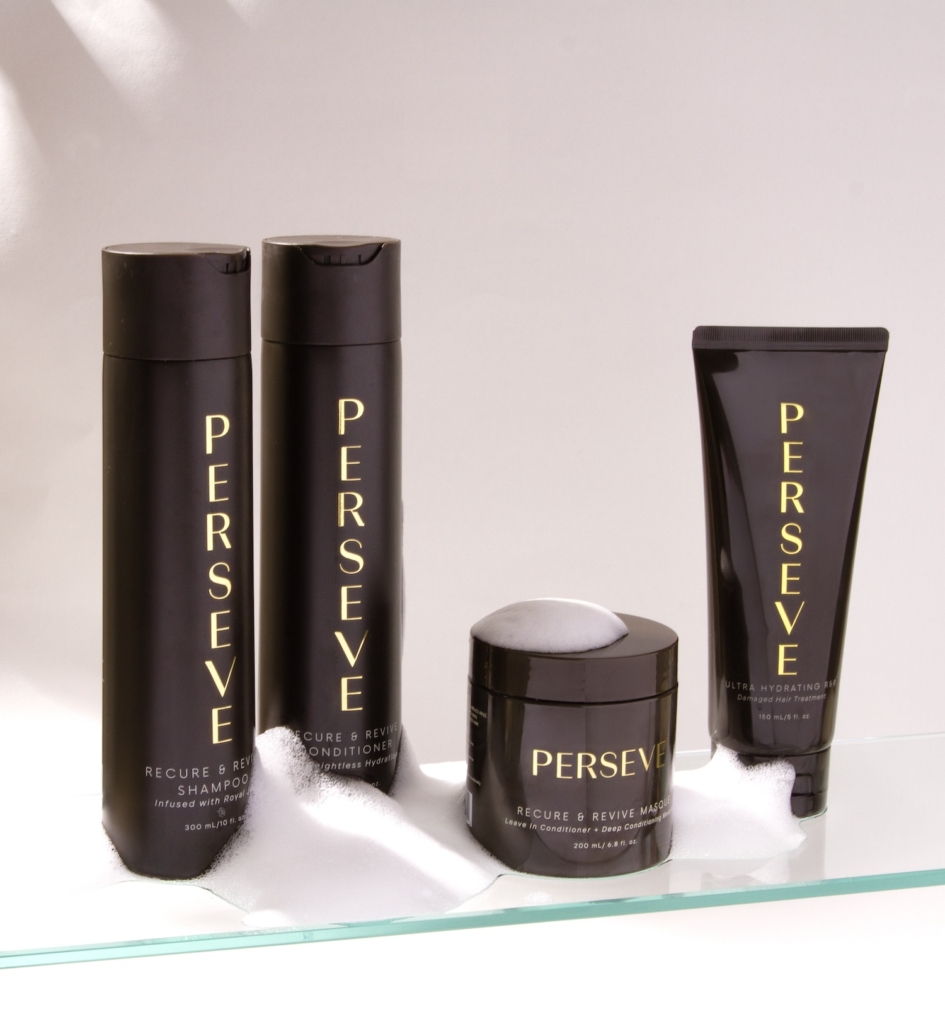
Similar to their skincare counterparts, K-Beauty haircare brands are typically reasonably priced. For example, all of Perseve’s products featuring ingredients such as royal jelly, amber and acai palm—shampoo, conditioner, deep conditioning mask and treatment mask—are priced under $12. Olivia Bae launched the brand in 2022 with her mother Hyeri Sung, who worked as a hairstylist in New York City for 30 years. In March, it landed at 400 Walmart locations, making it one of the first K-Beauty haircare brands to roll out at the chain.
Bae says, “Our ethos is really about blending that generational salon expertise from my mother’s side with K-Beauty innovation, and our goal was to really raise the standard of haircare in the mass market.”
Tariffs are threatening K-Beauty’s affordable positioning. The United States is set to impose a 25% tariff on South Korean goods on Aug. 1 if a deal can’t be reached, although South Korea is negotiating with the U.S. with the aim of bringing the rate down to 15% in line with a recent agreement with Japan. Despite the tariff uncertainty, Perseve is holding steady on its pricing.
“We’ve worked hard to build flexibility into our supply chain, things like sourcing partners we trust, forecasting thoughtfully and optimizing logistics,” says Bae. “It’s really about staying proactive so we can navigate changes without compromising quality or accessibility for our customers.”
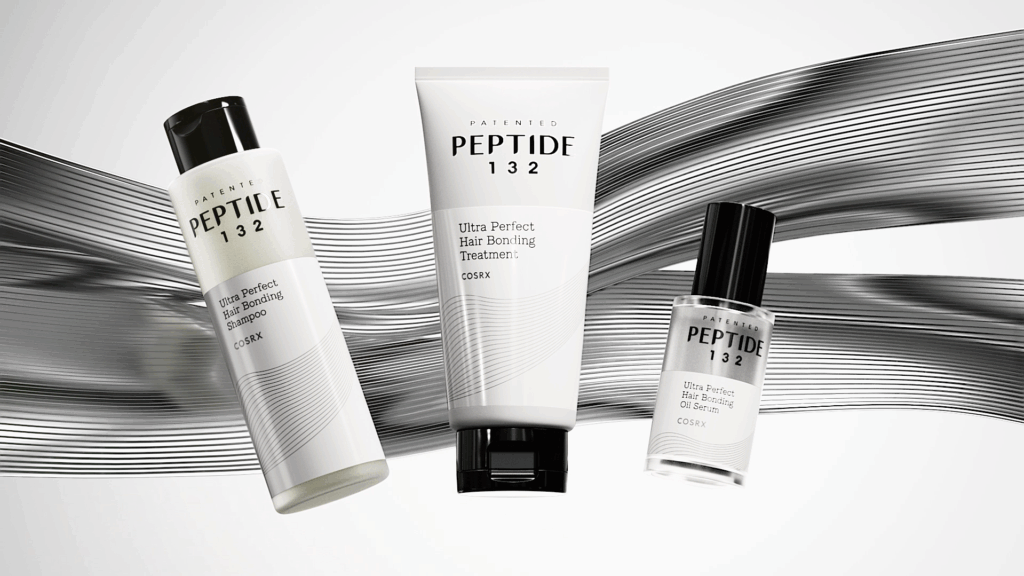
Cosrx’s new bonding haircare line is powered by the brand’s signature peptide-132, which it touts as penetrating strands to help repair broken fibers. The brand kicked off the line with a TikTok challenge inviting users to show off their glossy strands in motion. One post from influencer Brooke Monk has racked up 5.7 million views. A video posted by content creator Izzie Olivia has 5.5 million views. Four days after the haircare line became available on Amazon in the U.S., its treatment ranked as the No. 1 new release in the deep hair conditioner category.
A Cosrx spokesperson says, “We realized there was a space for products that go beyond surface-level fixes and instead deliver true repair the way our skincare does.”
Other South Korean haircare brands ascending on social media include ModaModa, Kundal and Mise En Scene, a brand from Amorepacific. ModaModa is known for its darkening shampoo. Kundal is praised for having the best-smelling haircare formulas. Mise En Scene has gone viral for its serum Hair Perfect, and it’s a leading haircare brand at South Korean beauty retailer Olive Young.
The players
5 mentionedNot Your Mother's

Momentous
Ritual
Formulate
iS Clinical