What Does Glossier's Impending Sephora Launch Signal About DTC Distribution In The Beauty Industry?
Launched in 2014 as an offshoot of founder and former CEO Emily Weiss’s digital beauty industry fanzine Into The Gloss, Glossier quickly established itself as the ultimate no-makeup-makeup millennial brand. Its sleek understated packaging, dewy skin products and “real people” campaigns were antidotes to the Kardashian-style aesthetic cresting on social media.
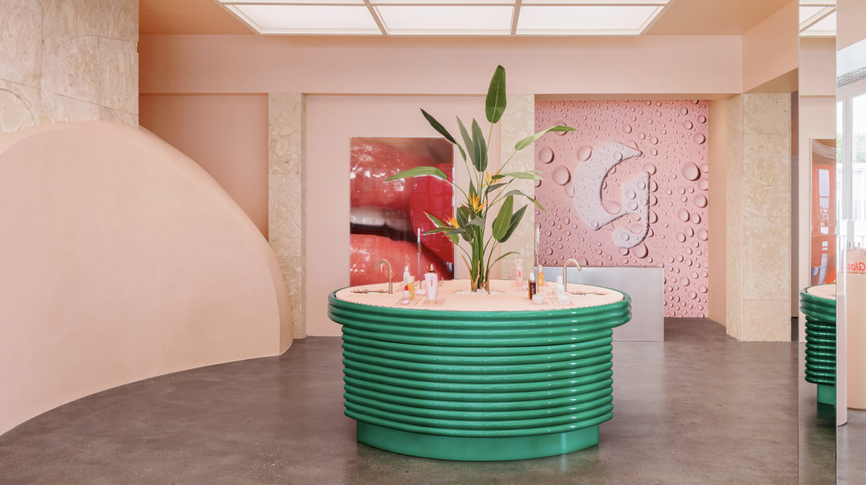
Besides its website, beauty consumers could only shop Glossier’s assortment at the brand’s so-called showrooms, a restrictive distribution approach that added to its mystique. In 2018, Glossier reportedly surpassed $100 million in sales. The next year, it reached unicorn status with a $1.2 billion valuation. Last year, it secured $80 million at a $1.8 billion valuation. In total, Glossier has amassed about $266 million in funding.
Glossier’s reputation isn’t nearly as glossy as it once was. In the last few years, it came under fire from employees who accused it of racism and a toxic company culture, shuttered brick-and-mortar stores due to the pandemic, instituted two rounds of layoffs and appointed Kyle Leahy, who joined Glossier as chief commercial officer in 2021, as its CEO to replace Weiss. In light of Glossier’s rockiness, the Sephora move could be viewed as a last-ditch effort to salvage its business.
However, Glossier has plenty it can boast about. Its name still has cachet with many beauty consumers, and it achieved more than most beauty brands have in digital distribution, albeit initially when customer acquisition costs were lower and competition was less fierce. Today, the online landscape is crowded and unforgiving, and people want to be able to shop their favorite brands anywhere, anytime.
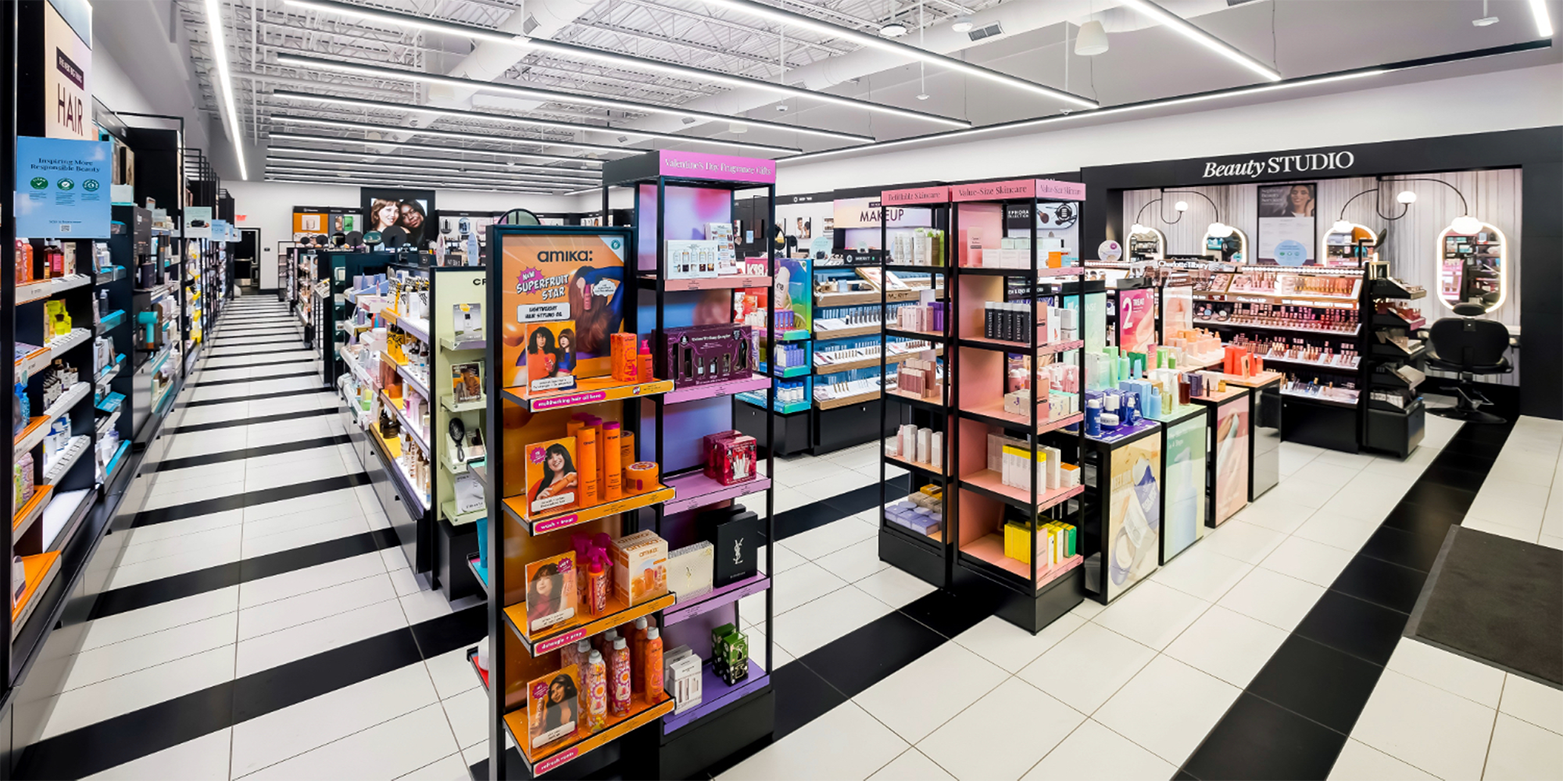
Adapting to contemporary consumers’ demands, Glossier is coupling its Sephora partnership with continued expansion of its own stores. So far this year, it opened locations in Washington D.C., London, Los Angeles, Miami and Seattle. Locations in Atlanta, Brooklyn and Philadelphia are set to open soon.
To further explore Glossier’s omnichannel shift, we asked 11 investors, e-commerce specialists, brand founders and beauty industry experts the following questions: What does Glossier’s Sephora partnership say about the evolution of DTC beauty brands? Do you think DTC brands can no longer be as successful as they once were in the industry?
The players
5 mentionedGlossier

AS Beauty
Under Your Skin
Sephora
Nordstrom