Ativo, Ouli’s Ointment and Kreyol Essence have populated their sites with several brands to amplify product offerings, broaden audiences, lift sales and highlight under-the-radar companies. “I see this as a valuable partnership between brands to get in front of a different audience as well as capitalize on a one-stop shopping experience for customers,” says Tracy Castro, co-founder of Canadian skincare brand Ativo. “Traditional retailers usually carry the same consistent products in their store and there are not a lot of opportunities for other brands to be showcased on shelves.”
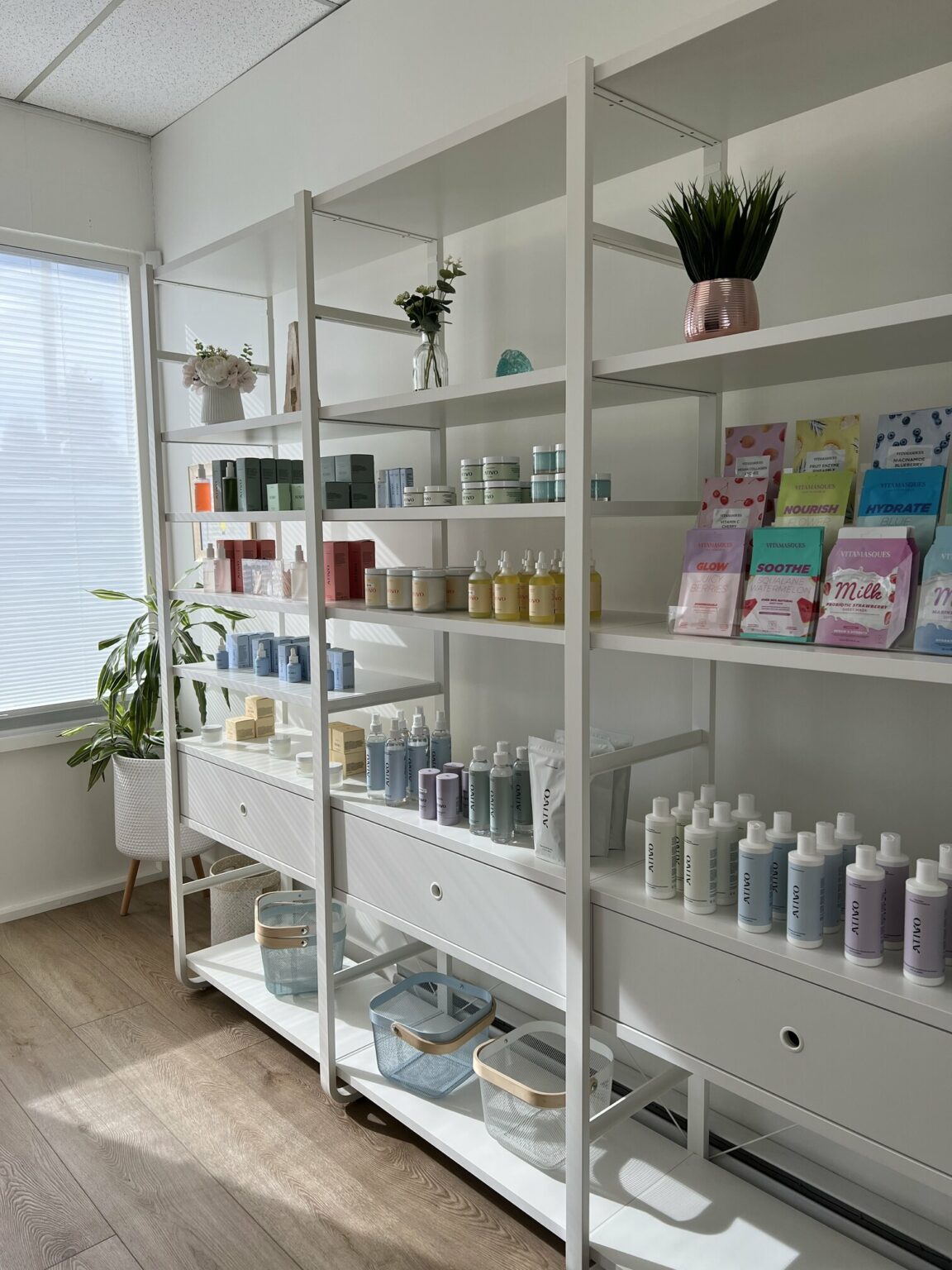
In April, Ativo started adding third-party brands to its site under a tab it calls The Boutique and about one month later opened its first brick-and-mortar store in Coquitlam, British Columbia. The Boutique carries about 25 makeup, skincare, candle and lifestyle products from brands such as Kari Gran, TOK Beauty, Vitamasques and Hudson & Oak. Brands in The Boutique are carried in Ativo’s physical location as well.
The Boutique expands Ativo’s assortment with brands that don’t directly compete with it, but that provide newness for customers. The selection under the Ativo brand contains over 30 products in cleansers, oils, moisturizers, toners, serums, body care and haircare. Its bestsellers include Smoothing Cream Cleanser, Vital C Brightening Toner and 3D Dew Drops 2% Hyaluronic Acid Serum.
“We have faced challenges landing our products onto the shelves of some boutiques, so we wanted to be part of the solution and showcase brands that are not that well-known or carried locally in stores here,” says Castro. “We want to be unique instead of being just another competitor in a saturated space.”
Ativo purchases inventory outright for The Boutique and steers clear of consignment or commission arrangements to differentiate itself from other boutiques and online marketplaces. Opening orders typically run from $500 to $1,000 to test the market. Ativo currently doesn’t charge brands for marketing, but Castro says that might change. Brands are asked to mention Ativo as a stockist on their sites.
While sales from The Boutique have yet to make their definitive mark on Ativo’s bottom line, Castro says that early feedback from customers has been encouraging. She’s hoping to enlarge the assortment by four to five brands by the end of this year and another six in the categories of personal care, feminine hygiene, candles and home care after that. Brands from the United States are being prioritized.
Referring to brands broadening their assortments to third parties, Castro says, “We have already seen two other local brands in our area doing this. I suspect the trend will become more popular.”
Faced with stiff competition at stores and online, brands are finding it increasingly difficult to cut through the noise. Amid the fierce competition, retail buyers are become choosier, and digital advertising costs continue to rise. Customer acquisition costs rose by approximately 60% between 2017 and 2022, per the SaaS company SimplicityDX, causing merchants to lose $29 for every customer acquired. In 2013, merchants lost an average of $9 for every new customer acquired.
Wizz Selvey, founder of retail strategy agency Wizz & Co and the former head of beauty at department store retailer Selfridges, theorizes saturation in the beauty industry is causing brands to band together to fill gaps in their assortments. She says, “This could be particularly helpful for emerging brands as they piggyback on each other’s customer base and audience as long as there is genuine synergy and common values/audience.”
Selvey underscores that communication between brands collaborating is paramount to achieving success. She says,“When it comes to stock levels, returns, re-packing and other actions around the sale of a product itself, having multiple small retailers may confuse or disrupt their usual process.”
Ouli’s Ointment is in the midst of rolling out a small roster of five to 10 third-party brands that will be available on its website throughout the holiday season. Versine, Cheeks + Co and Kiss Kiss Goodnight have gone live on the skincare brand’s site so far. Haircare brand Captain Blankenship will soon matriculate into the assortment.
Makeup artist Stephanie G-M, founder and CEO of Ouli’s Ointment, says the brand’s move to put outside products on its website was made to spotlight female- and mom-owned businesses that didn’t overlap with its product range. She listed product and revenue diversification as reasons for the multiplication of brands, too.
“It’s costly and takes time to create and release new products, and customers do like new products,” says G-M. “I’ve always been a connector, and I love the idea of helping brands like us gain visibility, sales and new loyal customers, which is where my experience and expertise in beauty plays a part.”
In its own assortment, Ouli’s Ointment has eight skincare, lifestyle and candle products. About 70% of its revenues are generated from its website, with the balance coming from retail partnerships it has struck with The Detox Market, Integrity Botanicals and select spas.
Ouli’s Ointment is operating its third-party brand partnerships on a drop-ship model. It takes 30% from each sale made on its site. To boost awareness, G-M has requested that the brands post on social media. She promotes the brand partnerships via email marketing and through live events on social media.
G-M isn’t quite sure how much revenue the third-party brands will net Ouli’s Ointment, but hopes they will propel its growth. Last year, the brand’s sales grew 20%. Brands may be asked to elongate their partnership with Ouli’s Ointment if their holiday performance is strong and the arrangement works for both parties, per G-M.
She says, “To make a mark in an ever-changing market, we have to get creative as indie beauty brands, especially if we want to thrive and not just survive.”
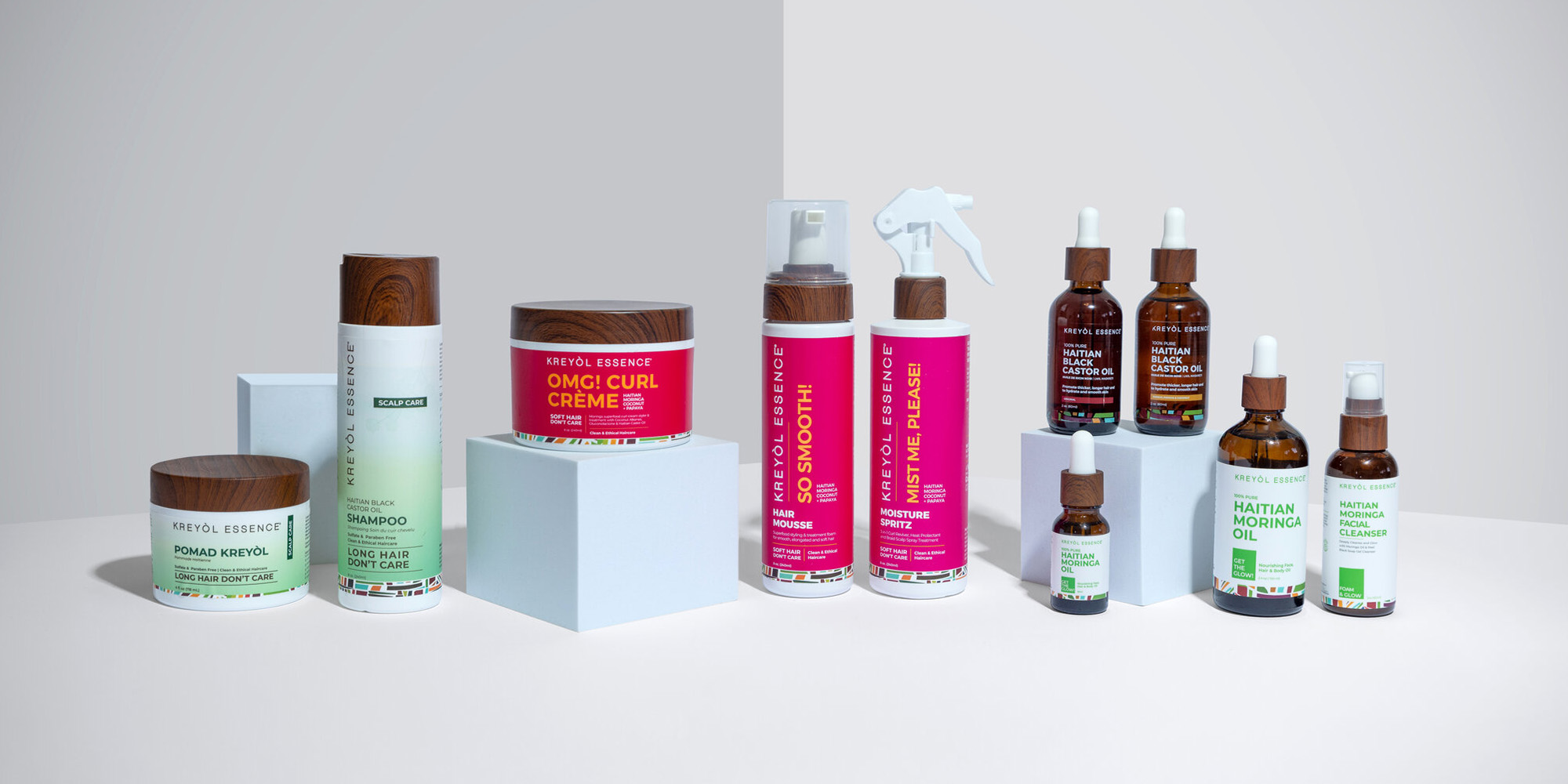
Brands are also enlarging e-tail to further their missions. In early November, haircare and skincare brand Kreyol Essence is launching a marketplace on its site called Mache that will highlight the work of Haitian artists and artisans. Yve-Car Momperousse, co-founder and CEO of Kreyol Essence, says that Mache, which is Haitian for “market,” is an extension of her brand’s social impact work in Haiti. Over 300 farmers in Haiti harvest the castor oil plant and extract oil from to supply Kreyol Essence’s products.
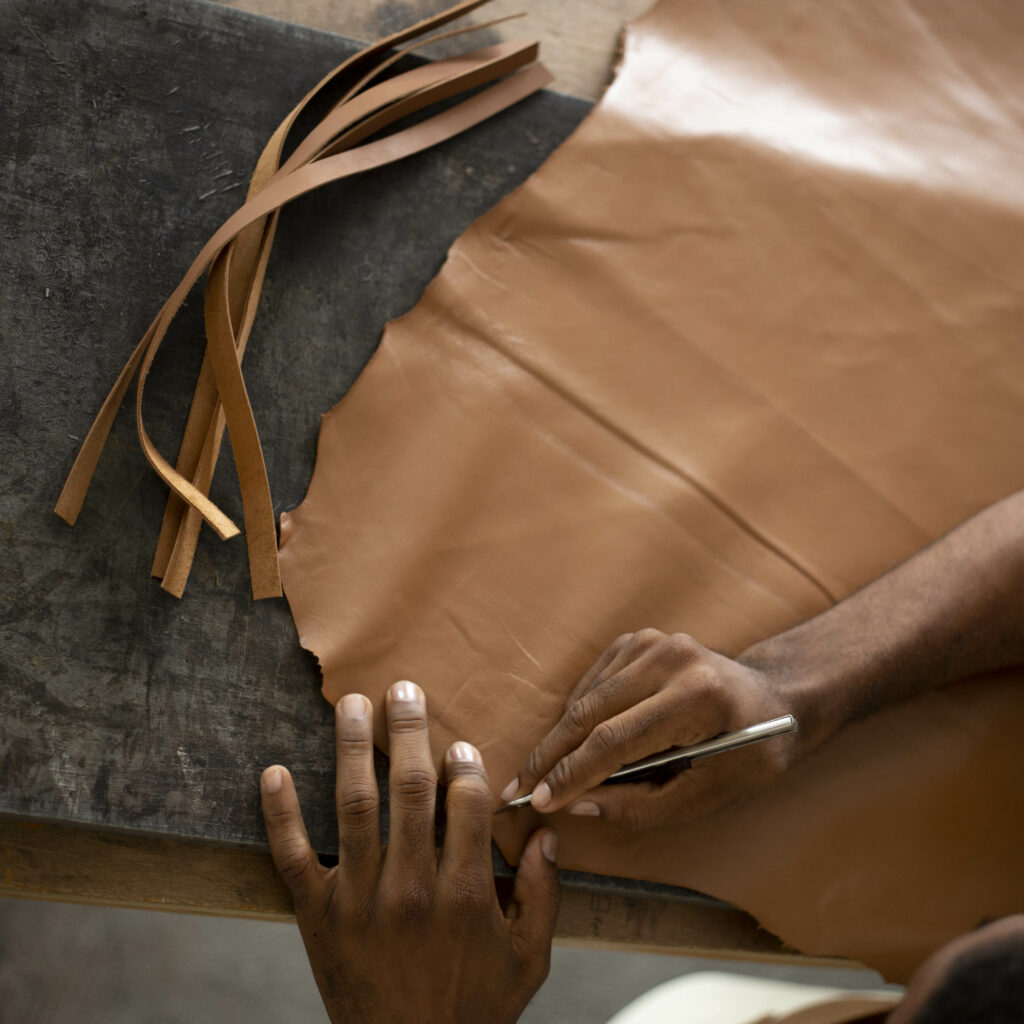
“Given the current situation in Haiti, one key thing we’re aware of is that we are one of the few Haitian brands with real distribution capabilities, the ability to market and reach people and work with retailers,” says Momperousse. “We can help by serving as a distribution arm to these artisans.”
Mache will feature 20-plus artisan jewelry pieces, leather bags and sandals at launch. Kreyol Essence is tapping the companies Deux Mains and Haiti Design Co. to source Mache’s assortment. It’s currently purchasing inventory for Mache, but is exploring the possibility of drop-shipping. Kreyol Essence plans to promote Mache on its social media accounts and in its email marketing.
“On their own, [the artisans] wouldn’t be able to sell these products in the United States. They lack the infrastructure, warehousing and marketing,” says Momperousse. “All of this is something we’ve been working on as a company for the last 10 years, so why not use that for the benefit of others beyond beauty?”
Kreyol Essence’s product lineup has more than 20 products, and its hero product is Haitian Black Castor Oil. The brand rolled out across 1,200 Ulta stores in spring 2020, a few months after securing a $400,000 deal on the ABC business competition program “Shark Tank.” Along Ulta, the brand is carried at Whole Foods, J.C. Penney and Urban Outfitters. In 2019, Kreyol Essence’s sales surpassed $2 million. Since its “Shark Tank” appearance, its sales have grown 540%.
Glancing ahead at Mache’s business, Momperousse says, “When you consider what Thirteen Lune has achieved for Black and Brown beauty creators and how they have harnessed their resources and infrastructure to help smaller Black brands get into stores, that’s what I envision for Mache with Kreyòl Essence. I like to describe Mache as a marriage of Thirteen Lune, Etsy and BLK + GRN, where we democratize and support artisans in a novel way that hasn’t been done before.”