Why Consumers Are Paying Hundreds Of Dollars For High-Class Hairbrushes
With the prestige haircare category outpacing the beauty industry generally—sales in it rose 4% in the first quarter this year on a dollar basis, including a 12% jump for styling products, according to market research firm Circana, while prestige makeup and skincare sales in dollars dipped 1% and 3%, respectively—ancillary hair products like tools and accessories have seen a halo effect.
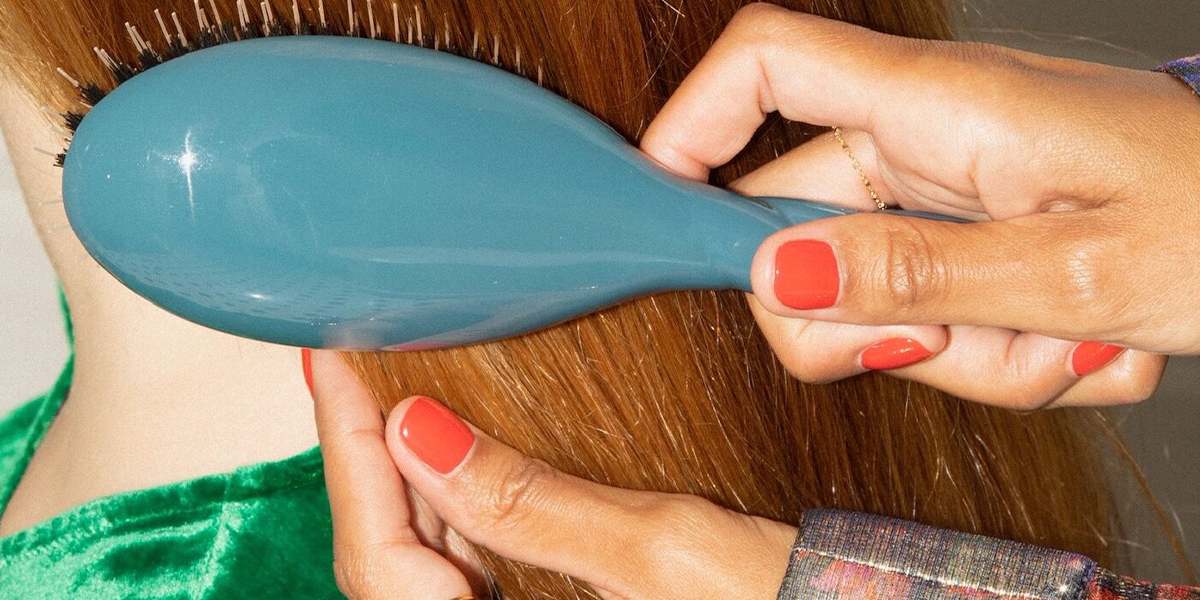
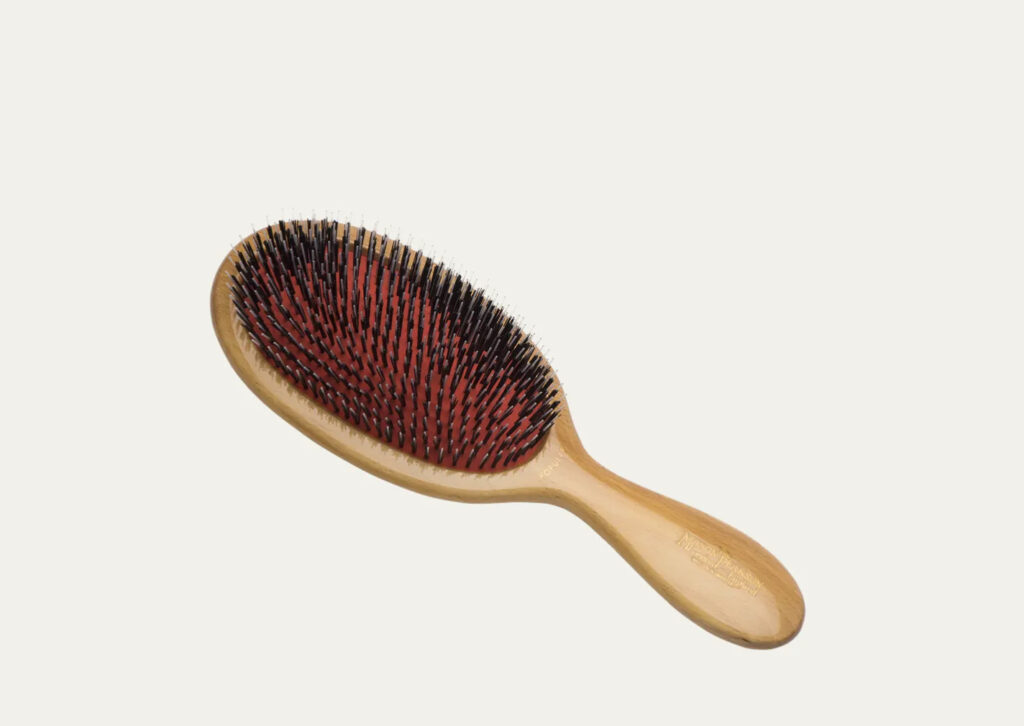
Aside from the 140-year-old British brand Mason Pearson, content creators are unboxing and testing luxury hairbrushes from Guerlain, La Bonne Brosse, Altesse Studio, Bur Bur, Vayose and Crown Affair priced from $59.99 to over $700. (Mason Pearson’s Popular Mix Wooden Brush sells for $740 at Bergdorf Goodman.) That compares to under $4 to $18 for a hairbrush at Target.
“This category now is finally not seen as a commodity anymore, but as a really important part of your hair routine,” says La Bonne Brosse co-founder Flore des Robert. “I think decommodifying it creates opportunity for brands to flourish.”
Luxury hairbrushes often contain carefully chosen bristles (boar is a common source for bougie bristles), stylish ergonomic handles and construction for targeted hair and scalp issues. They can be made by hand (Mason Pearson prides itself on its craftmanship and publicizes it takes five to six weeks to complete a single brush) and promise to leave hair impeccably smooth and shiny. Durability is important, too, and Mason Pearson customers, for example, enthuse that they’ve had the brand’s hairbrushes for decades.
“Consumers are seeking more enhanced benefits behind their tools and products that complement the investments that they’re putting into their haircare products,” says Joan Li, a senior analyst of beauty and personal care for market research firm Mintel. “That means ensuring their brushes and accessories are optimized for their hair types and care needs.”
Younger consumers are driving the upscale hairbrush rush. A Mintel survey shows 18- to 34-year-olds are picking up high-end hairbrushes as they level up their haircare routines. Approximately 47% of all respondents in Mintel’s survey relay they’re paying more attention to their hair needs this year versus last year.
Asking consumers the beauty categories they’d still prioritize if they cut spending, haircare ranked No. 1, with 44% of Mintel survey respondents selecting the category. “Coming up ahead, we expect the premium market to experience a little bit of a slowdown, given consumer sentiment has been dipping,” says Li. “With that, anything that can tie in to hair health and product longevity will continue to be popular, but brands will have to compete more than ever to justify that extra cost.”
La Bonne Brosse, a 4-year-old French luxury hairbrush brand, has benefited from gen Z interest. Younger consumers have been purchasing its products in bigger numbers due to its quality construction and aesthetics—its $115 to $168 hairbrushes have a twist in their handle design and come in an array of colors such as cherry red and almond green—after it initially landed on the market targeting French women over 30 years old with specific concerns such as scalp sensitivity.
According to the Financial Times, La Bonne Brosse has sold more than 150,000 units since launch. It’s distributed in 30 countries at 200 points of sale, but des Robert says 80%-plus of its sales are conducted online. Online, La Bonne Brosse has a diagnostic quiz that prompts consumers to share information about hair type, scalp sensitivity, sebum production and hair shedding, and it has product information pages that detail how its boar and nylon bristles impact hair shine and a page dedicated to the production of its hairbrushes in France.
Des Robert compares the demand among young consumers for premium, design-forward hairbrushes to their affection for Rimowa, the LVMH Moët Hennessy Louis Vuitton-owned brand selling luggage starting at $900 a pop. She also points out that hairbrushes haven’t always been cheap goods and have long incorporated silver, ivory and other precious materials.
“People consider hairbrushes a bit like a commodity, something that they buy at the drugstore, but if you go back through the history of hairbrushes, they used to be very beautiful, high-quality objects,” says des Robert. “The premium part of [the global haircare category] is very small, but it is growing because more women are paying attention to their hair the same way they pay attention to their skin or makeup.”
Extending the proposition of its liquid haircare, Crown Affair zeroes in on hair and scalp health with its Italian-made brushes. The 5-year-old brand sells four kinds of hairbrushes, including a mini brush, priced from $48 to $98. Founder Dianna Cohen divulges that hair tools, encompassing hairbrushes, towels, clips and combs, are about 30% of its sales. In November 2024, Crown Affair reported closing in on $20 million in revenues and profitability that year.
“If people are new to haircare, they really understand the concept of ‘made in Italy,’” says Cohen. “Especially with tariffs and the macroeconomic climate, [the focus is on] value for the customer, and value doesn’t always mean the cheapest thing. It means the best quality product for what is [financially] reasonable.”
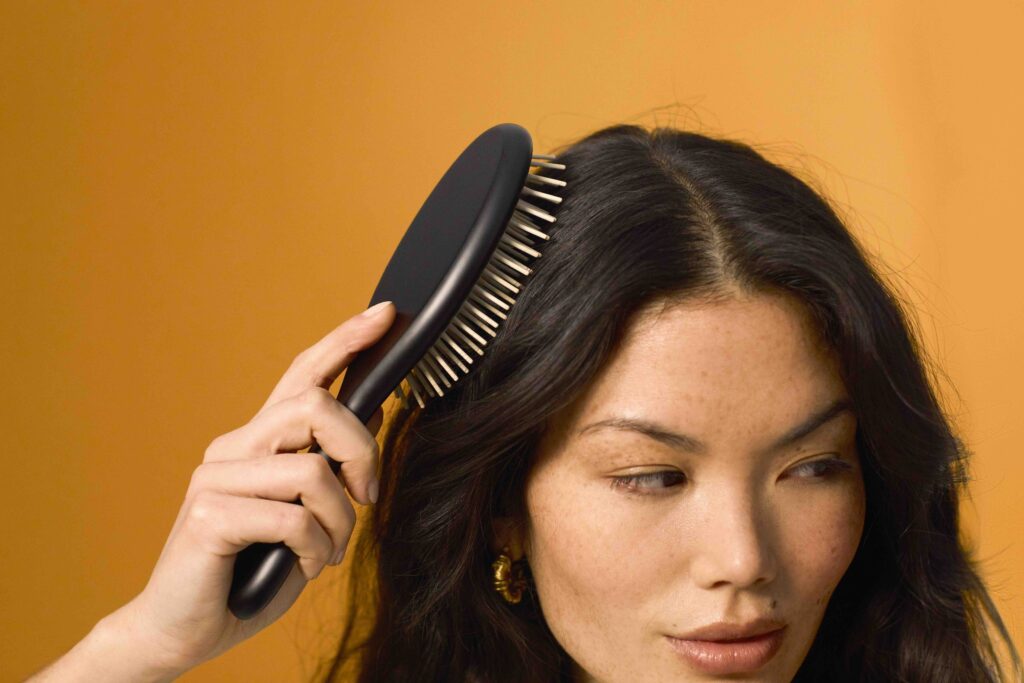
Cohen highlights that the look of Crown Affair’s hairbrushes—they have the brand name on their handles and are matte black with a white rubber cushion—as a helpful marketing vehicle. People don’t usually pull a shampoo or conditioner out of their purse or have it in their car or on their bathroom counter, but they might with a hairbrush.
La Bonne Brosse has leveraged its bright colors for collaborations. Last year, it partnered with fashion house Pucci on a hot pink hairbrush with a Pucci logo on the back. In another La Bonne Brosse collaboration, luxury skincare brand Augustinus Bader harnessed its Yves Klein blue color palette in a detangling brush to pair with its haircare.
Charles Rosier, co-founder of Augustinus Bader, says, “This collaboration wasn’t just about creating a beautiful object, it was about building a partnership defined by quality, intention and lasting impact.”
As they build on their popularity, hairbrush brands are getting into haircare. Last year, La Bonne Brosse introduced a haircare collection it calls Cair. Currently, it has a protective oil, hair mask, hair serum, shampoo and hair mist priced from $48 to $92. The packaging of the serum, shampoo and hair mist replicate the brand’s twisted hairbrush handles.
Mason Pearson launched its first-ever liquid haircare products last year. It has six products priced from $26 to $32, including shampoo, conditioner, serum and leave-in conditioner formulated to work with its hairbrushes.
The players
5 mentionedCounter

Better Being
Formulate
Augustinus Bader
AS Beauty