Clean Beauty Retailers Unmoved By Lawsuit Against Sephora's Clean Beauty Program
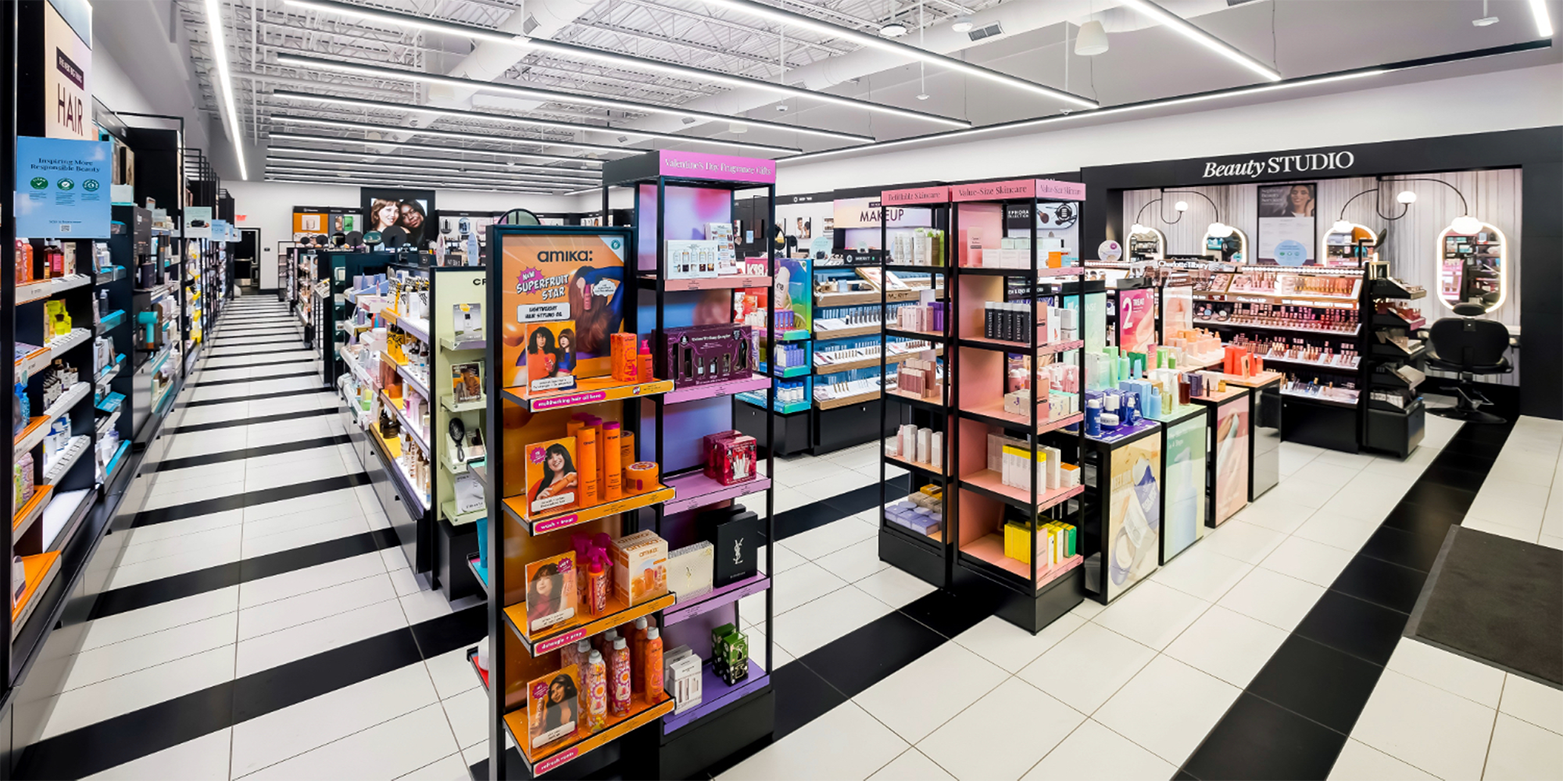
A class-action lawsuit filed against Sephora in November last year is the most high-profile example of the scrutiny clean beauty is confronting. The suit claims the retailer deceptively sells products with synthetic ingredients such as cetyl alcohol and glyceryl caprylate as part of its Clean at Sephora program instituted in 2018 to outline ingredients banned from products it classifies as clean. Sephora has asked to have the suit dismissed.
Clean beauty’s problems don’t end there. Clean beauty brands like Kosas and JVN Hair are grappling with mold issues, sparking worries that clean beauty brands aren’t preserving their formulas as robustly as they should be. And there’s a chorus of cosmetic chemists, brand founders and consumers on social media faulting clean beauty for lacking an official definition and unfairly demonizing ingredients, notably the group of preservatives known as parabens.
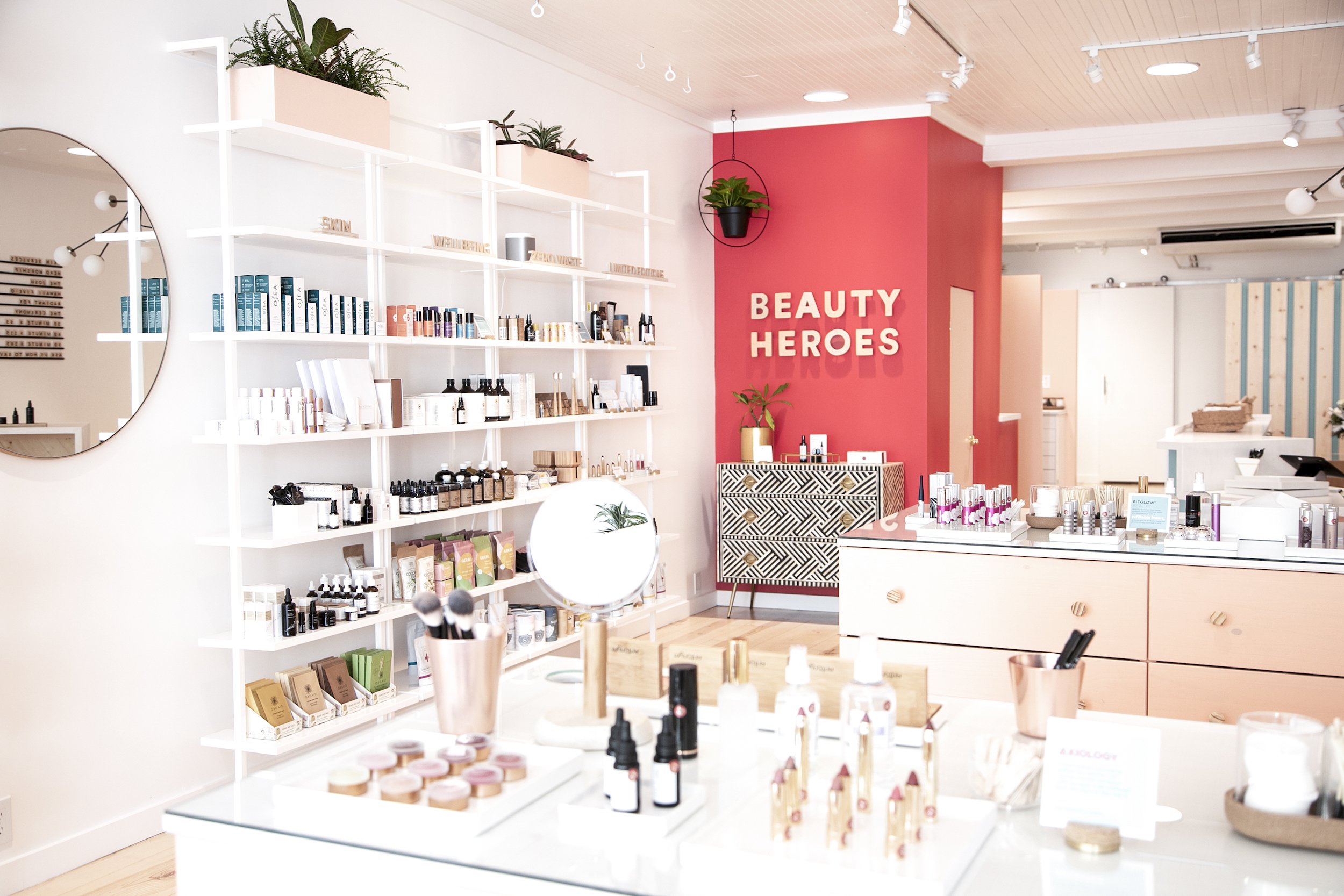
Amid the maelstrom, clean beauty retailers haven’t made changes tempering their allegiance to clean beauty. Beauty Heroes, a monthly discovery box and store in Novato, Calif., has a stricter list of banned ingredients than Clean at Sephora that accounts for harm to people and the planet. For instance, Sephora doesn’t permit cyclic silicones in its clean beauty products, but Beauty Heroes goes beyond banning cyclic silicones to banning any non-biodegradable silicones.
Although Beauty Heroes CEO and founder Jeannie Jarnot believes the outcome of Sephora’s clean beauty case could set a precedent for how retailers market clean beauty selections in the future, she’s sticking with her company’s take on clean beauty. She says, “Consumers genuinely care about their health and the health of the environment, and they want better formulated products in more sustainable packaging.”
Field Botanicals, a clean beauty retailer in Augusta, Ga., is tightening its position around ingredient integrity, sustainability, ethics and sourcing, including the impact of ingredient sourcing on communities and the environment. Currently, its website states that the products it sells are cruelty-free and vegan, and formulated with plant-based additives, plant oils, and botanical infusions and extracts. It prohibits products with parabens, phthalates, sulfates, petrochemicals and ethoxylated ingredients.
For its tightened clean beauty rubric, Field Botanicals is turning to larger clean beauty retailer Credo’s Clean Standard, which has evolved to incorporate sustainability measures, as a template. “We’re finding our customers are getting more comfortable with knowing what ingredients are ‘clean’ or not and are more frequently voicing concerns about a brand’s environmental impact,” says Field Botanicals founder Jennifer Tinsley. “This year, we set a goal to address these concerns and will exit brands that don’t fit this ethos.”
The clean beauty retail landscape today is shaped at least somewhat by earlier legal action involving another term, “natural,” without an official definition. In 2017, Credo Beauty was sued in a class-action lawsuit for selling products with synthetic ingredients under an “all-natural” umbrella. Credo subsequently revised its marketing content to note that products it carried were formulated either from plants or a combination of plants and nontoxic synthetics.
In 2018, Credo introduced its Clean Standard for clean beauty products. Relatively amorphous compared to natural, the term “clean beauty” seemed to provide for a wider mix of natural and synthetic compounds. At the time, Credo wrote in a blog post the retailer and its brand partners “have to speak the same ‘clean beauty’ language. This means aligning our definitions for commonly used terms like ‘organic,’ ‘natural,’ ‘plant-derived’ and ‘synthetic’ ingredients, for starters.”
Still, beauty brands and retailers aren’t speaking the same clean beauty language and have multiple definitions for clean beauty, exacerbating consumer confusion in a complex beauty industry. Tracy Trellis Flores, founder and CEO of Clean(er) Beauty Shop, a Raleigh retailer that has rebranded from Trellis Beauty to reinforce its dedication to clean beauty, says, “As a retailer in the clean beauty space, it is very important to understand the impact of our words and verbiage. Until we can officially come up with a universal definition, lack of trust from clients will continue with retailers, specifically big box, using the term ‘clean.’”
Clean(er) Beauty describes the merchandise on its virtual and physical shelves as “mindfully created.” All products it brings in must be cruelty-free and contain no harsh surfactants or emulsifiers, synthetic fragrances or phthalates, parabens, triclosan, butylated hydroxyanisole (BHA), butylated hydroxytoluene (BHT), formaldehyde or aggressive depigmenting agents.
Cristina Bagozzi, founder of fragrance brand Emmotiv and former VP and head of the owned brand business at clean beauty retailer Follain, argues that clean beauty clarification could be helpful. She says, “People say clean beauty isn’t relevant. It’s just that it needs to be better defined because a lot of customers do care about the ingredients they put on their skin. It’s almost like you have to remove the term ‘clean beauty’ from the conversation because it comes with all this baggage.”
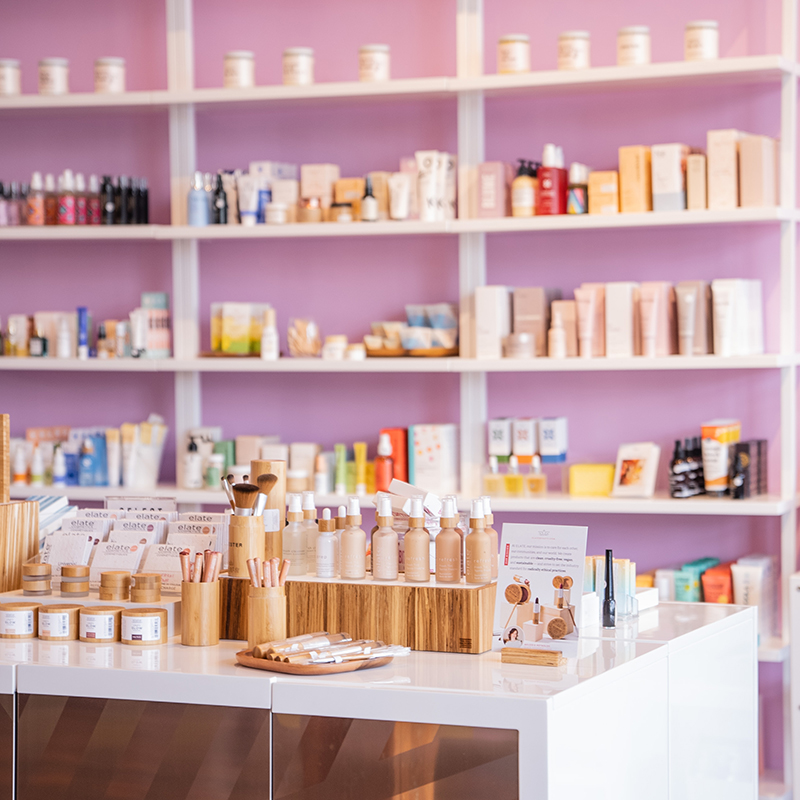
Despite controversy, clean beauty isn’t slowing down. According to the market research firm BrandEssence, the global clean beauty market is predicted to climb from $6.46 billion in 2021 to nearly $15.3 billion in 2028 at a compound annual growth rate of 13.1%.
Pursuing consumer demand, retailers are doubling down on clean beauty. Ulta Beauty launched its Conscious Beauty program in 2020. Now, nearly half of the 600-plus brands it sells are in the program. In February this year, Target highlighted that it’s added 40 beauty brands to its assortment, mentioning that clean and Black-owned brands have been important pickups. Its clean beauty repertoire contains more than 8,000 products from brands such as Target exclusives Love Seen, Pure Culture and Skinsei.
On Target’s site, Cassandra Jones, SVP of merchandise essentials and beauty at Target, said, “Clean beauty is a big deal for our guests and for Target. Our guests are paying close attention to what they put in and on their bodies, from bath and skin care to vitamins and supplements.”
Rather than abandoning clean beauty principles, retailers are expanding their reach to encompass environmental matters. Credo’s Clean Standard stretches to product safety, sourcing, ethics and sustainability. Sephora adjusted its Clean at Sephora program in 2021 to have a Clean + Planet Positive that brands achieve if they meet both its clean beauty ingredient rules and stipulations in four environmental areas: a climate commitment, sustainable sourcing, responsible packaging and environmental giving.
Going forward, Rebecca Bartlett, founder and creative director at brand strategy agency Bartlett Brands, predicts that beauty retailers with clean and non-clean products will increasingly focus their marketing and product curation strategies on brands that can substantiate their sustainability efforts rather than simply on brands that eliminate certain ingredients.
“Clean is an easy way for retailers to segment huge assortment offerings, so it’s here to stay in some way,” she says. “But 90% of the people that we polled in some of our recent consumer research told us that clean is not driving their purchase decision. It’s a nice-to-have after they’ve already evaluated product efficacy, value and convenience.”
Bartlett elaborates, “The movement around sustainability is definitely growing. Retailers have shareholders, and they want to know, ‘Our world is changing, what are you doing?’ So, maybe they prioritize more of an ‘earth-friendly’ assortment with brands that talk about clean and sustainability.”
Bagozzi concludes that specialty and mass retailers may need to reexamine their clean beauty propositions as they face challenges communicating the benefits of buying clean versus non-clean products. “A retailer’s No. 2 objective is to protect their brand equity and protect their assortment positioning,” she says. “So, a big retailer may want to scale back from overly emphasizing claims around clean if they don’t have the built-in capacity to really explain to the customer the how and the why.”
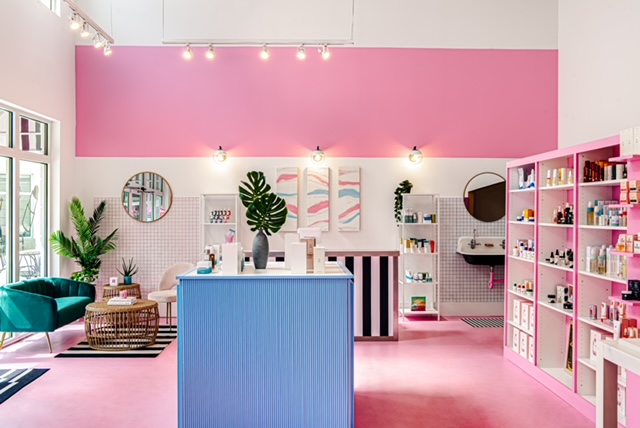
The success of clean beauty has made it ubiquitous at beauty stores. Encountering competition they often didn’t have at their starts, clean beauty retailers may have to refine their approach to stand out from the crowds. Tinsley theorizes that vegan, plastic-neutral or B Corp-certified brands will become priorities.
Bagozzi asserts that elevated customer experiences rather that assortment transformations will differentiate clean beauty retailers from the rest. She says, “What’s their customer journey like? Is that person going to return? Those are intangible things that I think are dying in retail in many ways. There’s some retailers that are doing a good job at it, but I think there’s a big opportunity there.”
But Jarnot stresses that values-driven retailers shouldn’t stray too much from their early pledges. It’s precisely those pledges that made them distinct and obligated them to stand for something beyond mere profits. “If Beauty Heroes’ standard makes us different—and it does—it’s not by design. It’s because it’s what we want to deliver to customers as a company,” she says. “Our value system is what the people on our team and our customers trust and are invested in. It’s not a marketing strategy.”
The players
5 mentionedUnder Your Skin

Better Being
Too Faced
AS Beauty
Kosas