Can Ulta Beauty Claw Back Prestige Market Share?
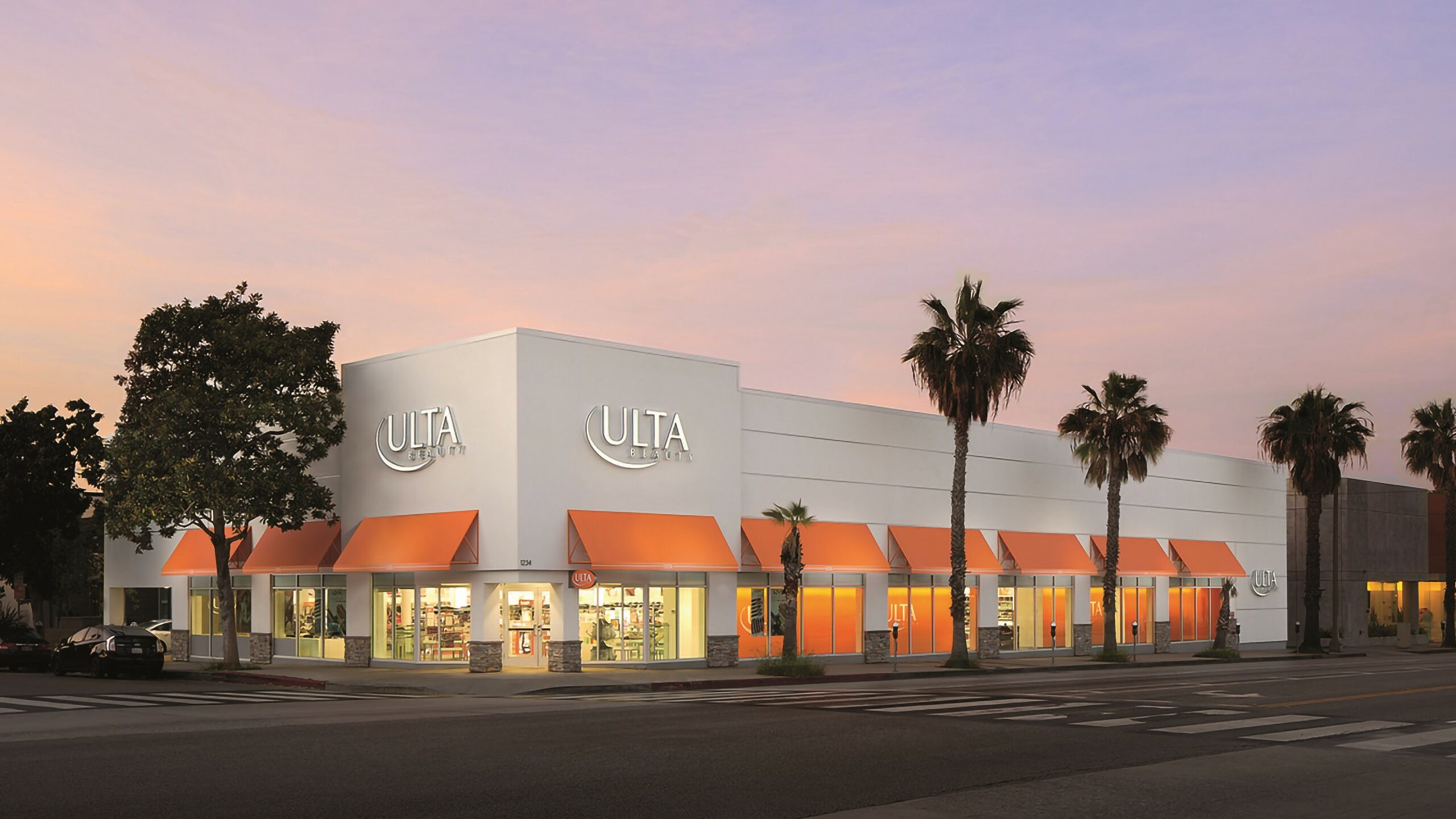
CEO Dave Kimbell acknowledged the 1,400-unit beauty specialty chain’s prestige beauty problem in its second quarter earnings call, highlighting data from market research firm Circana showing Ulta has ceded prestige beauty market share to competitors, particularly in the makeup and haircare categories. It’s maintained mass beauty market share. Kimbell attributed the prestige beauty slide in large part to the addition of 1,000-plus new points of prestige beauty distribution in the United States over the past three years.
“We often see a short-term impact of new distribution points on an existing nearby store, whether it’s a competitor opening or a new Ulta Beauty store,” he said. “What is unique about the current environment is the scale and pace of change. More than 80% of our stores have been impacted by one or more competitive opening in recent years, with more than half impacted by multiple competitive openings. This significant portion of our store fleet is experiencing a prolonged sales impact.”
Sephora has installations in over 600 Kohl’s locations, and they’re set to be in over 1,100 Kohl’s locations by next year. Walmart has introduced over 1,000 stockkeeping units from 20 prestige skincare and haircare brands on its third-party online marketplace and elevated its in-store prestige beauty selection with a SpaceNK collaboration. Amazon has onboarded Estée Lauder-owned prestige brands such as Clinique, Too Faced, Bumble and bumble and Smashbox, all of which are carried by Ulta. Ulta has shop-in-shops in Target that have rolled out to 541 locations and are slated to eventually enter 800 locations.
Compounding the effects of Ulta’s prestige beauty slide in the face of competition, mass beauty is contending with stronger headwinds than prestige beauty of late, and Circana’s sales estimates peg mass beauty as flat and prestige beauty as up 8% in the first half of this year. Mass beauty’s challenges come as Ulta has detected consumers are increasingly prioritizing value and cautious in their spending. As they hold their wallets tightly, its same-store sales dipped 1.2% in the second quarter, and gross margin decreased 100 basis points to 38.3%. Sales were up .9% to $2.6 billion.
“Our results were short of our expectations, driven by a decrease in comp-store sales, specifically comp-store transactions,” said Kimbell. “We do not believe these results reflect the strong engagement with our brand, the strength of our operating model, or the performance I know we can deliver over the longer term. Importantly, we are clear about the factors that adversely impacted our store transaction growth in the second quarter, and we have actions underway to address the trends.”
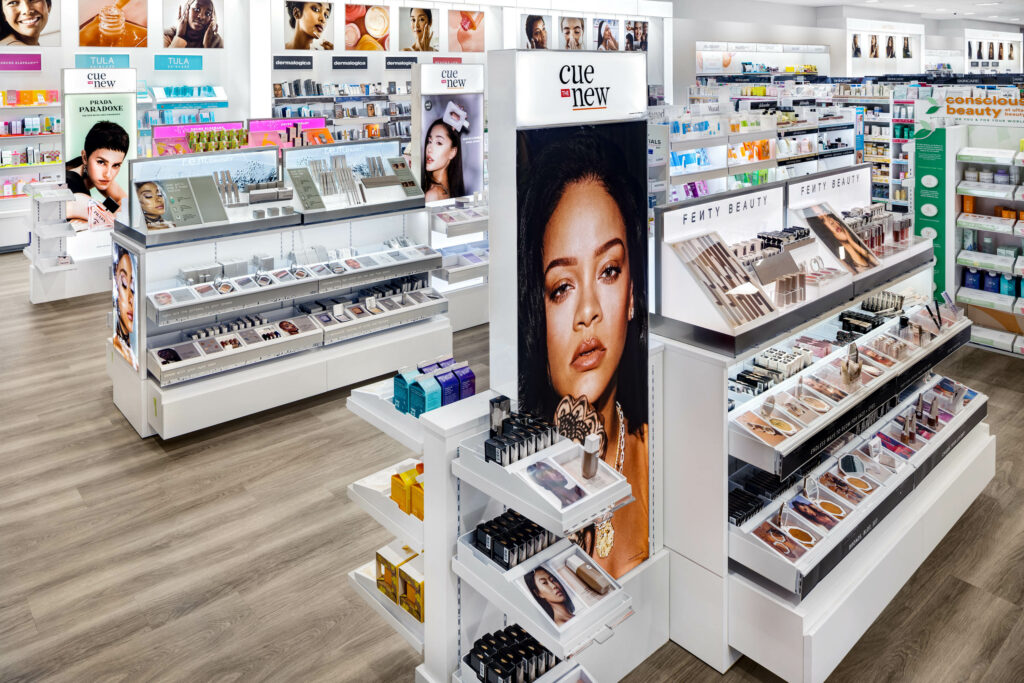
While Warren Buffett’s holding company Berkshire Hathaway’s pickup of Ulta stock last month signaled confidence in the retailer’s model and the beauty industry’s resilience during economic downturns, some analysts have faulted Ulta for not deftly reacting to the shifting retail landscape. In a note on its rating downgrade of the retailer’s stock, LEL Investment wrote, “We believe management is too conservative and slow to act, resulting in Ulta lacking effective differentiation.” Overall, analysts expect Ulta to outperform the market. As of close last Thursday, the retailer’s stock price was off more than 12% from last year.
“Prior to this period, Ulta and Sephora faced a relatively weak competitive set in the department stores. This is no longer the case,” says beauty investor Tina Bou-Saba. “Now, the specialty retailers are competing against much stronger merchants and their massive balance sheets in the cases of Walmart and Amazon. It seems to me that Ulta may have been a bit slow to adjust.”
Ulta is committed to fighting back against its competitors, and Bou-Saba is bullish on its prospects of recapturing prestige beauty dollars. “Ulta has much higher overlap with Amazon than does Sephora, and this is a challenge,” she says. “Ulta probably needs to bring in more newness and/or exclusivity in order to drive greater differentiation in its assortment. I don’t think that they need to match Sephora here, but they need more excitement in the merchandise mix.”
Ulta is cognizant of the importance of an enticing merchandise mix. In the earnings call, Kimbell said Ulta is aggressively taking action in five areas: “strengthening our assortment, expanding our social relevance, enhancing our digital experience, leveraging our powerful loyalty program, and evolving our promotional levers.” It’s brought brands like Ilia, DIBS Beauty, Wyn Beauty, PanOxyl, Vanicream, LolaVie, Orabella, Noyz, Magic Molecule and Dore into its assortment. It’s also revamped its in-house product collection.
Murphy Bishop II, co-founder and CEO of skincare brand The Better Skin Co., a prestige skincare brand previously stocked at Ulta, surmises the retailer can restore its prestige standing. However, he argues it has considerable ground to make up. “Ulta had tremendous momentum from around 2012 to 2019,” says Bishop. “They launched hot brands first and gave them decent floor space with appropriate messaging. At some point, an internal shift occurred where more brands entered, less marketing space was given, and then crowding began. The prestige side was slipping into a masstige look.”
In its annual report for the fiscal year ended Feb. 3, Ulta shares its stores typically have 28 full- and part-time associates, including approximately four to eight prestige consultants and five to 10 licensed salon professionals. To succeed in prestige beauty, Bishop says Ulta “must have well-trained associates who can deliver an experience. The space should be elevated, too, and less crowded, with high-quality marketing. If it looks and feels like mass, the client will choose a retailer that makes them feel special.”
He continues, “Ulta seems to focus on driving traffic in stores instead of conversion once in. If you can’t close the deal in the store, it does not matter how many people enter. Ulta brought prestige to the masses. In their effort to grow store count, the customer experience dipped. The assumption that offering everything everywhere will always work proved to be untrue.”
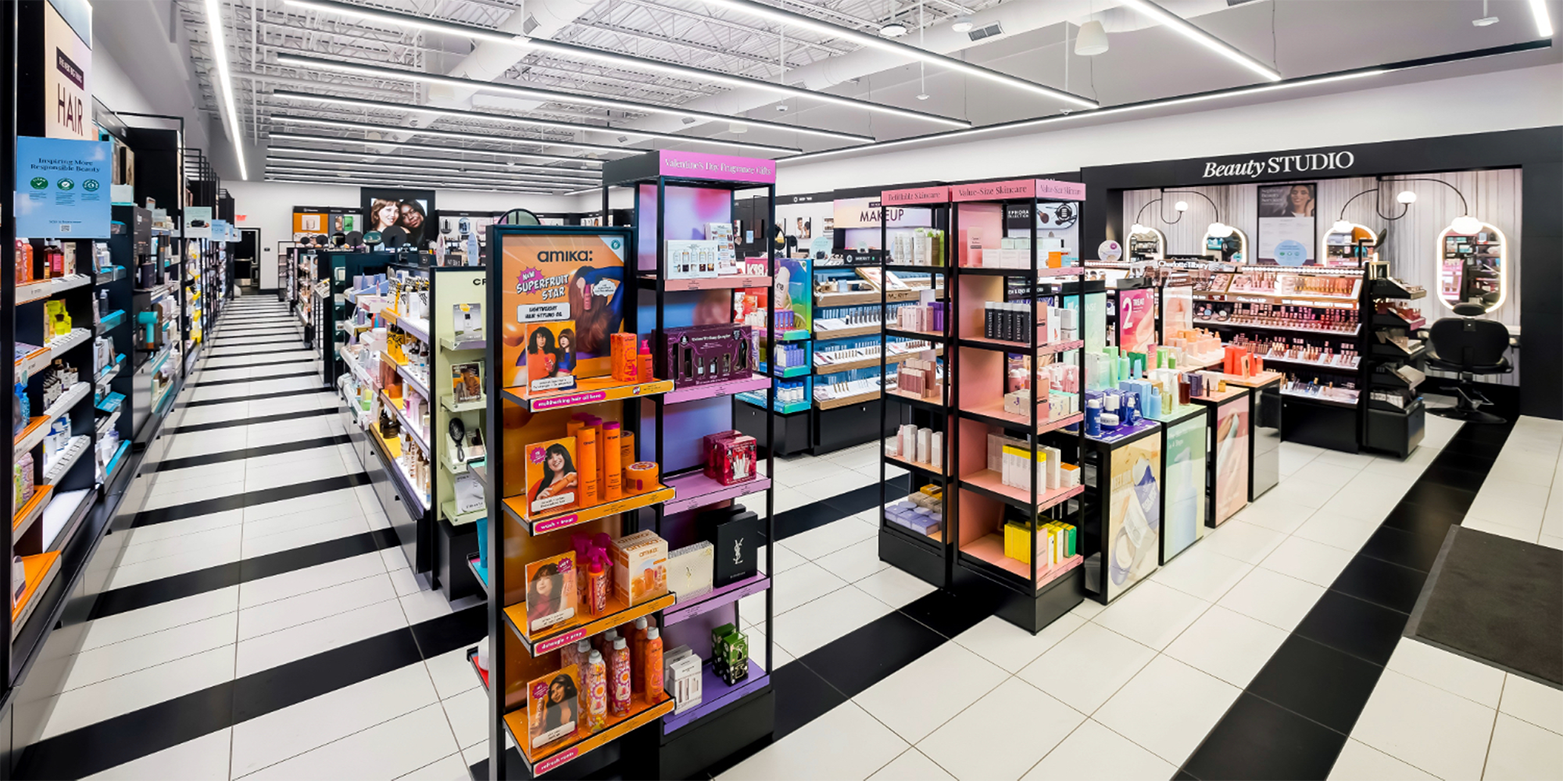
Mia Meachem, a luxury beauty consultant and former VP of brand partnerships at Neiman Marcus, agrees that service should be elevated to cultivate prestige beauty clientele. “Experience is so important for the prestige customer, and there’s definitely a different feeling when you go into Sephora,” she says. “It feels much more pedestrian at Ulta, and there’s a level of service and product knowledge that I think is missing there.”
Karen Hayes, founder of beauty consultancy Indie Global Strategies, isn’t convinced that in-store service is what gives Sephora a leg up on Ulta in prestige beauty. She says, “What Sephora potentially lacks in service they’re making up for in brand assortment and share of mind in creating excitement to drive consumers in store.”
Sephora has been bettering Ulta, once American teens’ favorite beauty retailer, in drawing gen Z and gen alpha mindshare. According to investment bank Piper Sandler’s latest semiannual survey of teens, 37% of respondents mentioned Sephora as their top beauty destination compared to Ulta’s 32%. Creator marketing company CreatorIQ figures Sephora’s earned media value, a metric used to quantify the value of social media content, has climbed 36% this year. Sephora’s EMV has been boosted by its influencer program Sephora Squad and a frenzy earlier this year over gen alpha customers flocking to brands like Drunk Elephant, Rare Beauty and Glow Recipe in its stores.
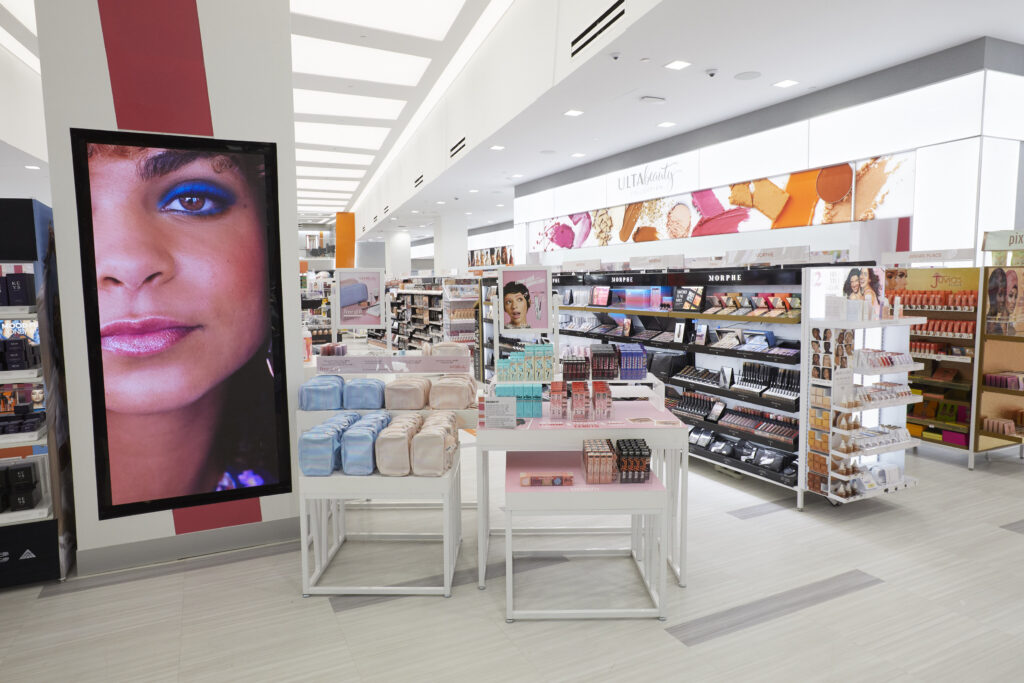
Ulta has unfurled several initiatives to bridge the digital divide between it and Sephora. It’s established affiliate program UB Creates, associate ambassador program Ulta Beauties and what it calls The Joy Project, a multiyear content campaign collaborating with content creators, celebrities and brands to convey that Ulta is a joyful place. Kimbell said the campaign bumped Ulta’s EMV up 10% in the second quarter.
Beauty industry experts are unanimous that Ulta must tap its robust Ulta Beauty Rewards loyalty program to plow ahead in prestige beauty. At the end of the second quarter, the program had 43.9 million active members, a 5% rise from last year. “Slice that data and look at the prestige customer,” says Meachem. “Understand how they behave, what they’re looking for, and what more could be done in terms of customization and the experience for that customer.”
Revising its sales forecast, Ulta anticipates sales to fall between $11 billion and $11.2 billion for the year, and comp-store sales to land at down 2% to flat. Previously, sales were anticipated to be between $11.5 billion and $11.6 billion, and comp-store sales were projected to be 4% to 5%.
In the earnings call, Kimbell said, “We are focused on improving performance in the second half, and we believe our newness and go-to-market strategies, along with continued operational and financial discipline, will enable us to navigate the dynamic environment and drive improved sales and profit momentum over time.”
The players
5 mentionedClinique

Magic Molecule
Smashbox
The Better Skin Co.
Rare Beauty