Cracking Open The Booming Business Of Beauty Beverages
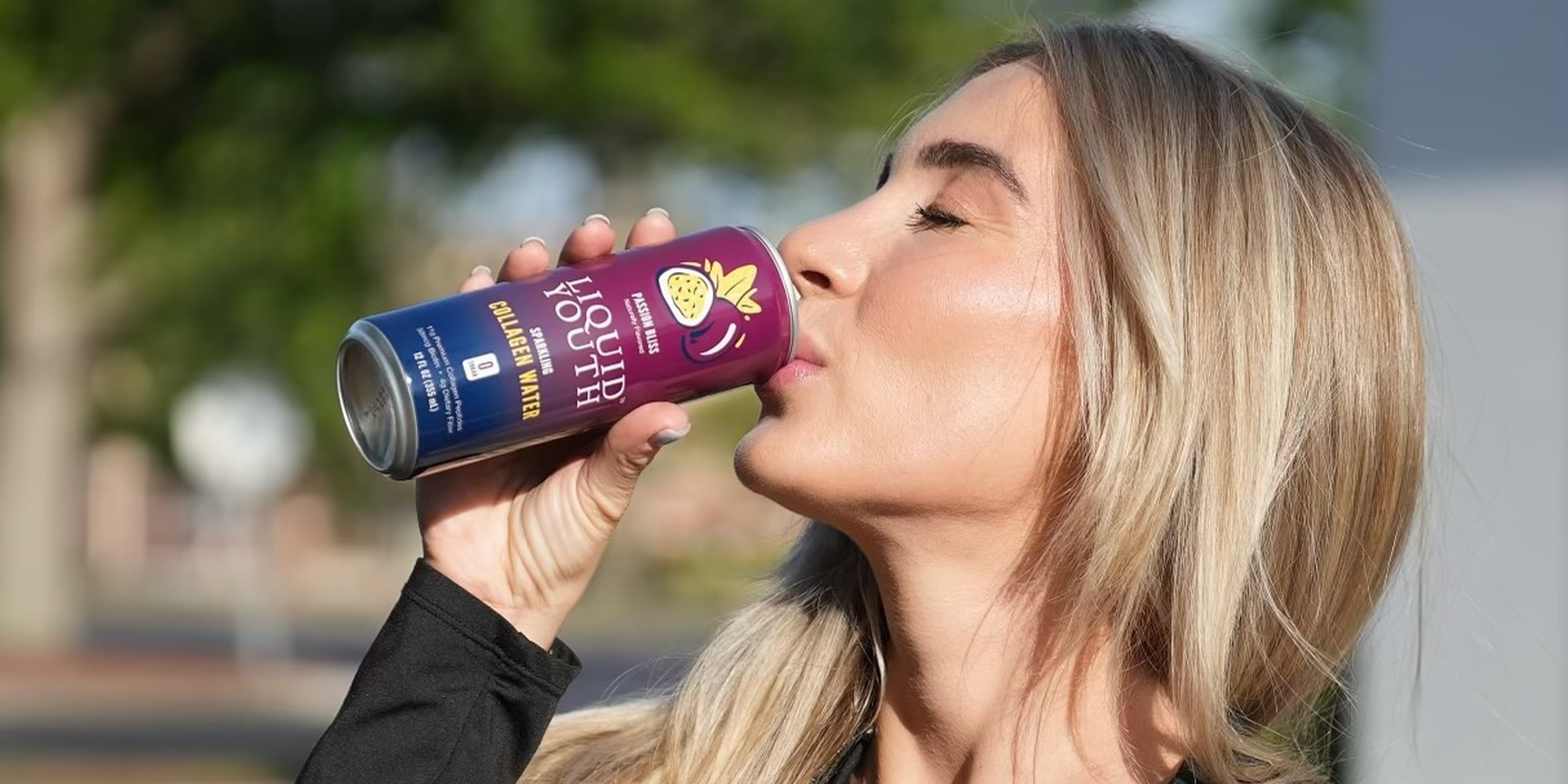
Liquid Youth, which promotes its collagen sparkling water as supporting skin, hair, nails and joint health, has launched at Target and Walmart. Clöud Café, a Korean-inspired collagen coffee and matcha beverage brand, entered Ulta Beauty, with mass distribution on the way. Freaks of Nature has introduced an “inside-out” electrolyte drink formulated with hyaluronic acid, vitamin C and antioxidant ingredients marketed around skin protection and glow.
Monster has ventured into the beauty realm with Flrt, a female-directed energy drink from with minerals and vitamins “to support collagen production and immunity,” and K2O by Sprinter has hit the market as an evolution of Kylie Jenner’s canned vodka soda brand Sprinter with what it calls a beauty-first hydration mix featuring electrolytes, hyaluronic acid and Verisol bioactive collagen.
At Erewhon and Whole Foods, ingestible beauty and wellness brands are finding shelf space. Urban Remedy, the organic wellness food company carried at both retailers, has expanded its collagen-enhanced protein shakes with benefits for skin, hair, nails and joint health. Par Olive, a brand aiming to be the Medik8 of ingestible beauty, has entered Erewhon with marine collagen powders positioned around skin health and longevity.
And that’s just a small sampling of the beauty drinks swallowing up space in retail, e-commerce and consumers’ kitchens. Across various formats, from ready-to-drink options to powders, shots and sticks, beauty beverages are rapidly moving from niche products into the mainstream functional drink set.
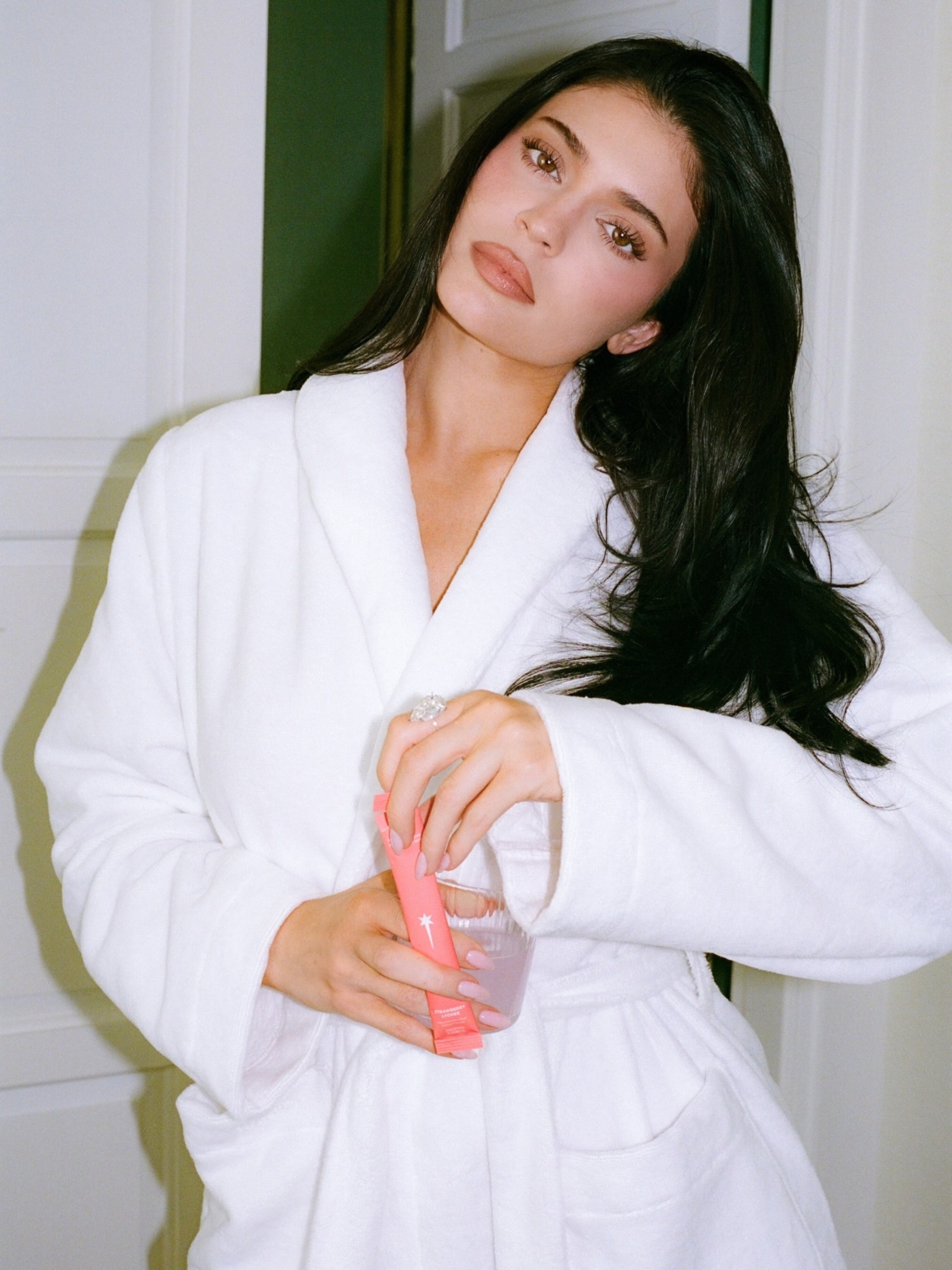
The movement is happening as biohacking, longevity, a GLP-1-spurred hydration fixation, snacking, supplements and better-for-you formulas increasingly influence consumer behavior, and as people with packed schedules look to extend their beauty regimens beyond Botox appointments and antioxidant serums. Beauty beverages pledge convenience alongside a daily dose—or more—of self-improvement.
Jay Hunter, CEO of K2O by Sprinter, says, “People want to collapse their [multi-step] routines, and that’s causing the intersection of these categories because it’s easy to do and it doesn’t suck up a bunch of time in their day.”
The rush into beauty beverages is unfolding amid a broader investor and corporate scramble for functional drinks. PepsiCo acquired prebiotic soda brand Poppi for nearly $2 billion last year. Olipop, valued at nearly $2 billion last year, is reportedly seeking $200 million in funding. Energy drink brand Alani Nu surpassed $1 billion in retail sales last year and has helped propel parent company Celsius Holdings, which saw 2025 revenue jump 85.5%.
Coca-Cola, Nestlé and countless startups continue chasing functional beverages because the business is only getting bigger. In the United States, the fortified and functional soft drink market was worth $19.7 billion in 2025, representing 11% of total U.S. soft drink sales. It posted a 9% compound annual growth rate between 2019 and 2025, according to market research firm Euromonitor International. Despite the rapid growth, many experts caution that the evidence for ingestible beauty claims tied to skin, hair and anti-aging benefits is far from definitive.
Market research firm NielsenIQ and search intelligence platform Spate contend “functional beverages and snacks are past just ‘trending’ and now, they’re dominating.” In December last year, the firms estimated functional beverages generated roughly 1 billion average monthly engagements, with TikTok accelerating momentum. Spate found 38.3% of functional beverage views were tied to TikTok Shop.
Contemporary conditions may be supercharging the market, but beauty beverages aren’t a new phenomenon. Brands like Moon Juice, Vital Proteins and The Beauty Chef laid the foundation for today’s beauty drink deluge more than a decade ago. (Vital Proteins co-founder Kurt Seidensticker, not coincidentally, has launched a new hydration-driven beverage brand, Be Love, at Target.)
But the latest generation of brands meets many consumers already enmeshed in the language of beauty and wellness, so the leap from applying to imbibing an ingredient like hyaluronic acid isn’t as high. Today’s brands pair multifunctional benefits with trend-conscious marketing and popular flavors tailored to lifestyles centered on optimization, performance and fun.
“In the early days, the differentiator was product and benefits,” says Hamid Saify, CMO of colostrum brand Armra. “Now, a lot of brands have opened their eyes to what marketing can represent to people and how that could be a core differentiator.”
At K2O, which operates under the management company and venture studio Night, post-purchase surveys suggest a higher-than-expected number of customers haven’t previously tried hydration products, according to Hunter. The brand is exploring future products layering more beauty-focused ingredients atop hydration.
Armra sells a $120 monthly supply (four scoops a day) dairy product made from the milk produced by a cow after giving birth. Recently, the brand launched a ready-to-drink colostrum soda. Armra joins brands such as Cowboy Colostrum, Cymbiotika and Bloom Nutrition in touting a host of benefits across immune, gut, metabolism, skin, hair and fitness recovery. Saify lists immune support and gut health as the benefits fueling the most customer conversion.
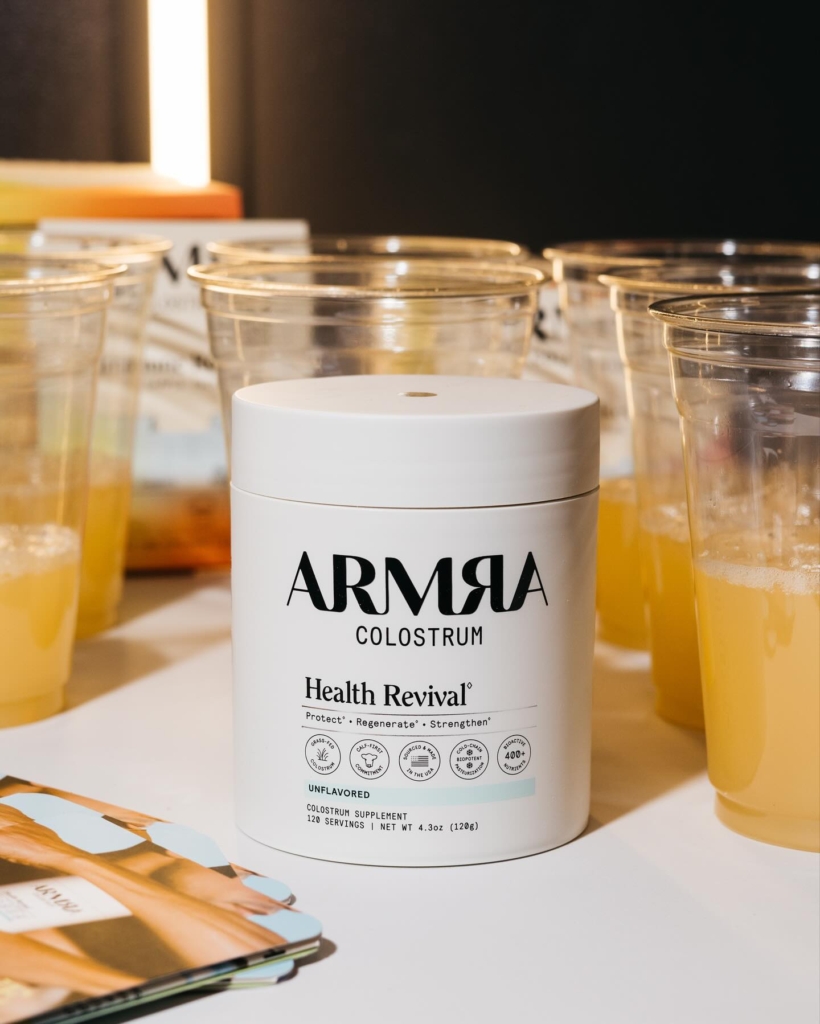
U.S. consumers spent roughly $19 million on colostrum supplements in the 52 weeks ended Jan. 3, about a 3,000% spike from the just over $612,000 two years prior, according to data from NIQ. When Armra launched in 2020, it grew to a $1 million annual run rate in less than six months and sold out three times in 2021. Saify declined to share revenue or growth figures, but revealed Armra has sold products to over 1.6 million customers.
Saify says Armra has been in “explainer mode,” educating customers about product benefits and efficacy, and he’s striving to shift the brand toward emotional storytelling. A colostrum supplement may be a foreign concept to most people, but the brand tries to make product education easy to understand. On May 20, Armra is premiering a campaign entitled “I Am On It,” a double entendre evoking people taking colostrum and optimizing their lifestyle for efficiency and maximum executive function.
“I often think about what role a brand serves in a person’s day-to-day life, and they need to feel more connected [to customers] than just ‘This product is good for me, and I use it because of X reason,” says Saify. “We want to take this territory of functional benefits and turn them into rich emotional territory for people to connect with.” He adds, “For colostrum to become even bigger, it has to really play into the cultural zeitgeist.”
Armra has identified three core customer personas, including a key target dubbed the “beauty investor.” Saify says the “beauty investor” is a consumer seeking mind-body alignment with a philosophy that if you feel good, you look good. The emphasis on the “beauty investor” could skew Armra younger than its current core customer base of 35- to 44-year-olds.
While there’s still significant growth potential in beauty beverages, there are two main challenges: shelf space and cost. Retailers don’t have unlimited room to stock them, and heightened transportation costs are impinging on margins, a particularly stubborn issue for beverages that have to stay cold to preserve ingredient benefits. Meanwhile, convincing consumers, who have an excellent hydration choice literally streaming from their taps, to shell out money for premium products is a perennial challenge.
Sam Shapiro, managing director at L.E.K. Consulting, says, “It’s a subset of all consumers who have the interest here, although it is increasing, but also the willingness to [spend money on them] at the price point of many of these products.”