Becca Cosmetics' Unexpected Comeback: Why The Brand Is Relevant Four Years After Its Closure
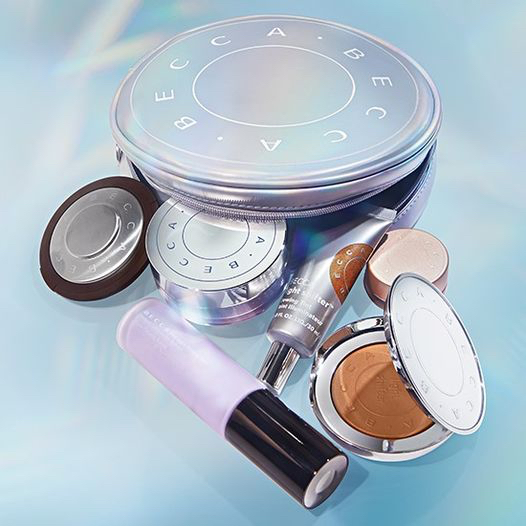
From June last year to May this year, it was the top-searched makeup brand on Google for under-eye correctors, ahead of Tarte, Charlotte Tilbury, Bobbi Brown and Pixi, according to consumer insights firm Spate. The brand racked up about 7,300 average monthly searches for its Under Eye Brightening Corrector, a $33 product folded into Smashbox’s assortment under a Smashbox X Becca tag when Estée Lauder closed the brand. In the same period, Tarte generated about 4,200 monthly Google searches for under-eye correctors.
According to Michelle Shigemasa, SVP and global general manager at Smashbox, the Under Eye Brightening Corrector has consistently ranked in Smashbox’s top 10 bestselling stockkeeping units since it entered the brand’s stable. Consumers’ affinity for Becca’s Under Eye Brightening Corrector hasn’t subsided despite the beauty market being inundated with dupes and product launches.
Makeup executives aren’t entirely surprised by its enduring popularity. “Becca built incredible brand equity in the concealer/corrector space…it was truly a standout product that solved a real problem beautifully,” says Divya Gugnani, founder of fragrance brand 5 Sens and co-founder of multitasking makeup brand Wander Beauty, which recently sold to Nameless CPG. “It speaks to the power of creating a truly exceptional product that becomes synonymous with the category.”
Bob DeBaker, COO of Nakery Beauty and ex-CEO of Becca, attributes the draw of Under Eye Brightening Corrector to its unique emollient, full-coverage formula and shade range. It originally came in two shades before Smashbox doubled the shade range.
“It was that perfect orangey shade. It was just waxy enough that it would sit well under the eye and play well with concealer,” he says. “There were a lot of brands that had something similar or launched something similar because we were doing so well with it. For whatever reason, though, people kept grabbing the Under Eye Brightening Corrector, and it stayed. It hasn’t been exactly duped in shade or exactly duped in formula or feel yet.”
Michele Gough Baril, founder and chief brand officer at Iris & Romeo and former VP of brand and consumer engagement at Smashbox, describes Becca’s Under Eye Brightening Corrector as in a league of its own. “Products that achieve that kind of excellent performance can remain beloved for decades and often get passed down from mother to daughter,” she says. “I asked the 30 year olds on my team how they learned of Becca’s Eye Brightening [Corrector] and they all said it was through their mums or older sisters.”
DeBaker believes nostalgia for cult products of the past could be renewing interest in Becca. Nostalgia has absorbed the beauty market. In the spring, Lancôme celebrated the 25th anniversary of its iconic Juicy Tubes Original Lip Gloss with a campaign evoking the early aughts with film and television stars of the time like Paris Hilton, Rachel Bilson, Hilary Duff and Chad Michael Murray. According to the publication Glossy, the campaign amassed over 50 million video views and 3 million engagements in just four days.
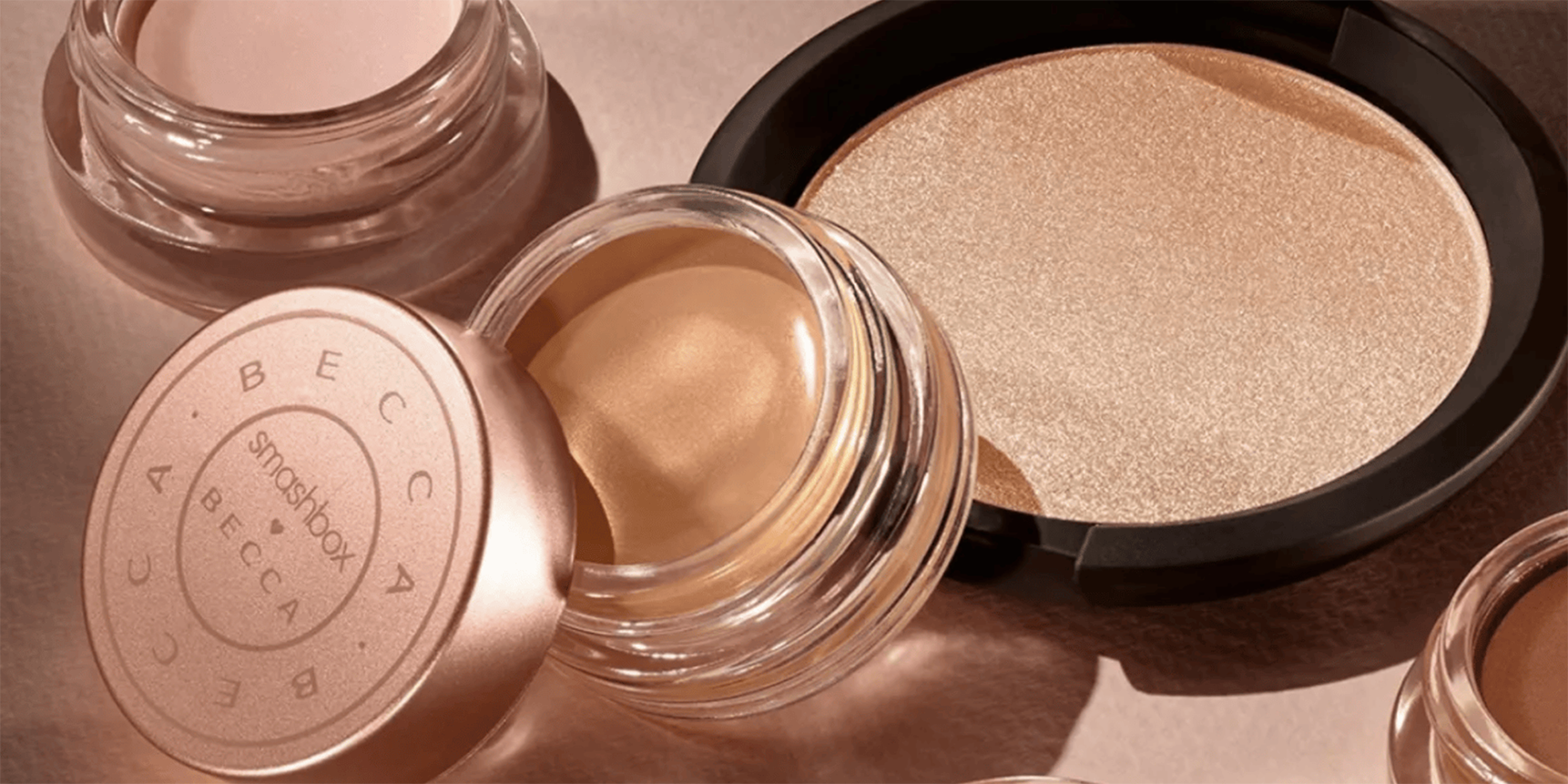
Launched in 2014, Becca’s Under Eye Brightening Corrector was an immediate success and quickly gained a devoted following among beauty influencers and editors. According to DeBaker, it was the top-selling product at Becca behind Shimmering Skin Perfectors, a line of highlighters that included cream and powder formats. Highlighters contributed a disproportionate amount of Becca’s business. DeBaker says the brand tried to cross-sell the Under Eye Brightening Corrector to customers who bought a Shimmering Skin Perfector to maintain its numbers.
The Shimmering Skin Perfectors famously went viral in 2015 when Becca launched the shade Champagne Pop in collaboration with beauty influencer Jaclyn Hill in what many in the beauty industry consider to be the first powerhouse beauty influencer partnership. Initially intended to be a limited-edition item, Becca sold 25,000 units of the gold highlighter in 20 minutes upon its Sephora debut.
Becca then introduced an expanded collection in partnership with Hill in 2016 that featured a cream version of Shimmering Skin Perfector in the shade Champagne Pop, a second highlighter shade called Prosecco Pop and face palettes. The collection yielded $3.5 million in sales within five hours of its premiere on Sephora’s website. Released early to influencers, a Champagne Pop-themed eyeshadow palette garnered negative reviews for chalkiness and was eventually pulled from the collection.
Powered by the uber-successful tie-in with Hill and wide consumer base, Becca was acquired by Estée Lauder in 2016 in a deal rumored to be valued at $200 million. Back then, Becca’s sales were forecast to reach $80 million for the year. However, the conglomerate closed it five years later, explaining that the effects of the pandemic and “an accumulation of challenges” plaguing the brand made future operations for it untenable. Soon after Becca’s closure, Estée Lauder-owned Smashbox announced that it would continue selling the brand’s Under Eye Brightening Corrector as well as the Shimmering Skin Perfectors in the shades Champagne Pop, Opal, Moonstone, Rose Quartz, and Chocolate Geode.
While Becca has been a search leader in the last 12 months for under-eye correctors, Spate notes that its Google volume has declined 52.5% compared to the June 2023 to May 2024 period. According to the firm’s popularity index, which encompasses Google searches and TikTok views, the beauty brands registering the strongest monthly growth in the under-eye corrector/concealer category on a year-over-year basis are Tarte, Catrice Cosmetics, Drmtlgy and Maybelline. On TikTok, Catrice’s viral $6 Under Eye Brightener has been touted as a dupe for the Becca product.
With Estée Lauder’s performance on shaky ground—the conglomerate’s sales decreased 10% in its third quarter ended March 3—it’s looking to right-size its portfolio. The company has hired investment bank Evercore to assist in the effort. Once a beloved artistry brand when Estée Lauder acquired it in 2010, Smashbox’s diminishing relevance has made it a target of divestiture rumors. Combined with Too Faced and Becca, it accounts for less than 5% of Estée Lauder’s overall sales, according to data from the market research firm Euromonitor cited by the publication The Business of Fashion.
Gugnani figures that Estée Lauder is evaluating its portfolio brands for growth potential and profitability rather than current performance. She says, “Sometimes brands with strong heritage products like Becca’s corrector can be more valuable for their IP and consumer equity than their current sales numbers might suggest.”
DeBaker doesn’t think Lauder is holding onto Smashbox to keep Becca’s hero products in its stable, but he figures they could make the brand more attractive to a potential buyer. “It gives them something to say to a prospective buyer, ‘Hey, look, you got some momentum here. There’s definitely things you can grab onto.’” he says. “But it also could be as simple as they still have a lot of inventory, and they need to move through it.”
DeBaker argues new ownership could do a sleepy brand like Smashbox a world of good. “Look what’s going on with Laura Geller. That brand is crushing it. Ten years ago, it was cooked,” he says, “Where all the conglomerates really struggle is the startup sensibility, the brand that’s doing less than $100 million a year. What do you do to it? How do you nurture it? How do you find that viral moment? How do you create those kinds of things that make a $100 million business be a $300 million or $400 million business?”
The players
5 mentionedWander Beauty

Bobbi Brown
Not Your Mother's
Catrice
5 SENS