6 Beauty Trends The Future Laboratory Forecasts Will Be Big In 2025 As Consumers Focus On Health And Connection
Wellness Fusing Tradition, Culture And Technology
The Future Laboratory has observed consumers being drawn to brands they have a deep emotional connection with. Its report mentions the Chinese cultural movement Guochao, originally rooted in homegrown fashion brands, is shaping wellness and beauty by celebrating China’s rich heritage. The Future Laboratory writes the movement is “resulting in the growing prevalence of premium C-beauty and traditional wellness treatments.”
Shanghai trend forecaster Grace Mou explains, “Chinese individuals who previously embraced westernization without question have now become more culturally aware and are seeking to reconnect with their unique Chinese identity rooted in culture and heritage.” Olivia Houghton, deputy creative foresight editor at The Future Laboratory adds, “In 2025, the focus will be on how the synergy of tradition, culture and technology can be harnessed across industries to address contemporary challenges. For brands, this means drawing inspiration from both the past and the future to create intentional innovations that preserve natural beauty while enhancing modern aesthetics for consumers.”
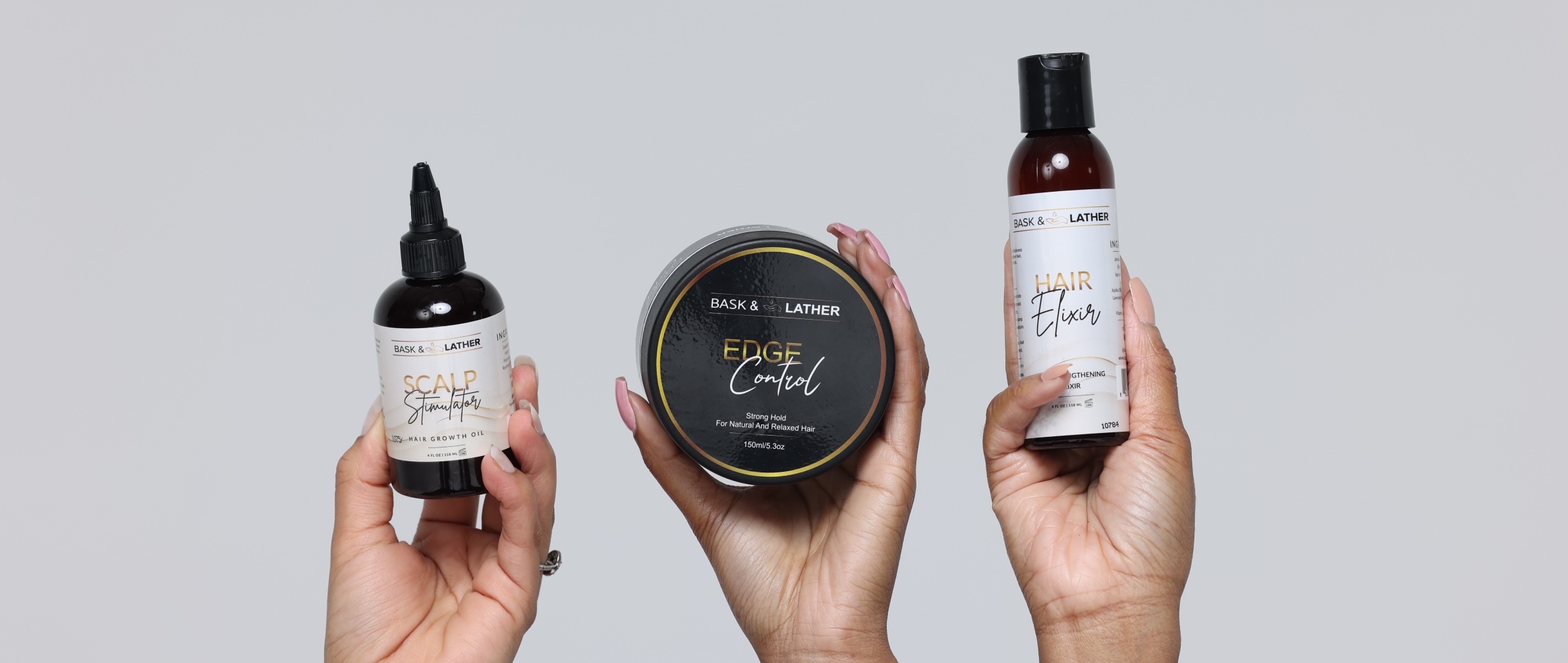
Textured Haircare Product Choice
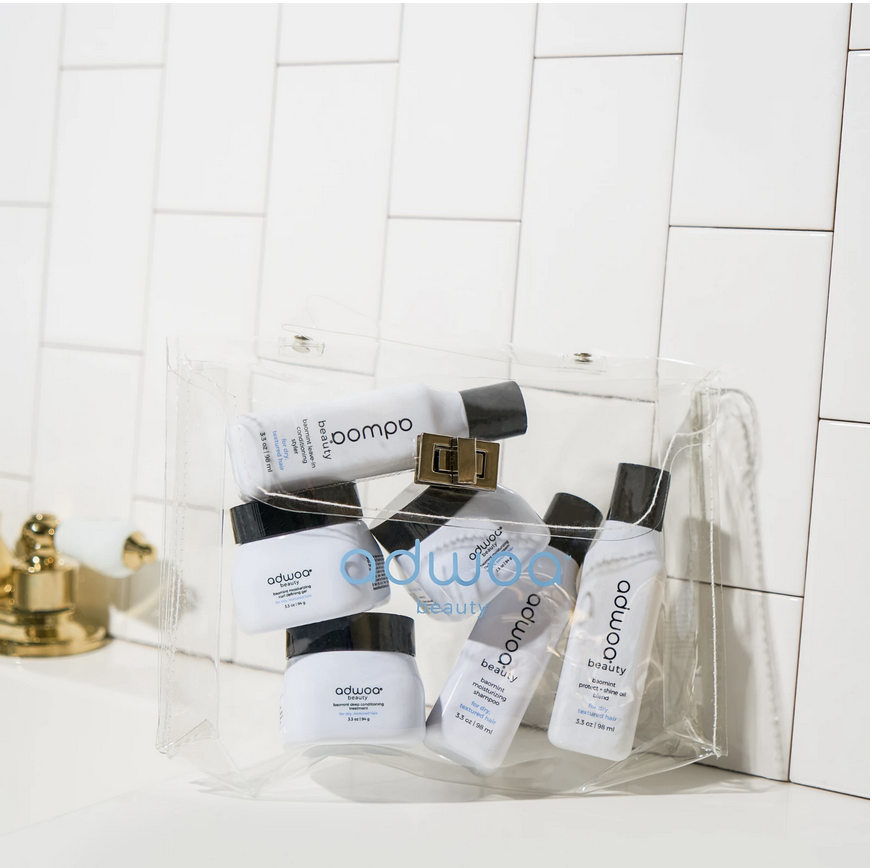
In the past few years, textured haircare brands such as Adwoa, Bread Beauty Supply, Curlsmith and Mielle Organics have either scored funding or been acquired. And there’s been no shortage of new entrants into the category, including celebrity brands such as Beyoncé’s Cécred, Issa Rae’s Sienna Naturals, Tracee Ellis Ross’s Pattern and Fenty Hair by Rihanna.
The Future Laboratory’s report notes that advancements like Walmart’s introduction of textured haircare products backed by scientific and certified advice reflect “a broader trend in the beauty industry to support inclusion and cater for under-represented beauty needs.” The firm is bullish on the textured hair category and expects brands in it to focus on making textured haircare more convenient and accessible along with “greater product diversity and more brand innovations in the coming years.”
Beauty Independent recently covered the launch of Texture Crush, a brand from former Revlon-owned Creme of Nature market executive Teneya Gholston aimed at consumers who don’t play by the original rules of the natural hair movement, particularly those getting silk presses. Gholston told Beauty Independent, “It was important to bring heat styling products to the forefront because women aren’t as scared of heat as they used to be.”
Mood-Boosting Scents
The Future Laboratory envisions functional fragrances stepping up their game with selling points beyond smelling swell. In the throes of the pandemic, there was an explosion of such fragrances. For example, The Nue Co. launched Forest Lungs, a functional fragrance formulated to to reduce stress and boost immunity. Ideated during the pandemic, small-batch brand Biology Functional Fragrances draws upon founder Steve Sun’s Chinese heritage to provide aromatherapeutic benefits.
Functional fragrances’ resonance has only mounted since. The Future Laboratory highlights Vyrao’s latest fragrance, Mamajuju, which is designed to “counteract stress from excessive screen time.” Other companies creating multifaceted fragrance products include Ôrebella by Bella Hadid and Charlotte Tilbury, the makeup brand that in April introduced six “emotion-boosting,” algorithm-driven fragrances developed in partnership with International Flavors & Fragrances. Even carmaker Nissan partnered with perfumer Rafael Haury on eight fragrances it describes as “mood boosting” and “life enhancing.”
Gen Alpha Beauty
As the eldest gen alpha kids born roughly between 2010 and 2025 enter their teen years, brands are increasingly tailoring products to them. The Future Laboratory cited data from market research resource NielsenIQ that revealed American households with gen alpha children are outpacing others in beauty spending, showing a 27% increase in skincare purchases in 2023. The phenomenon of Sephora kids and tween boy fragheads indicate gen alpha’s appetite for all things beauty.
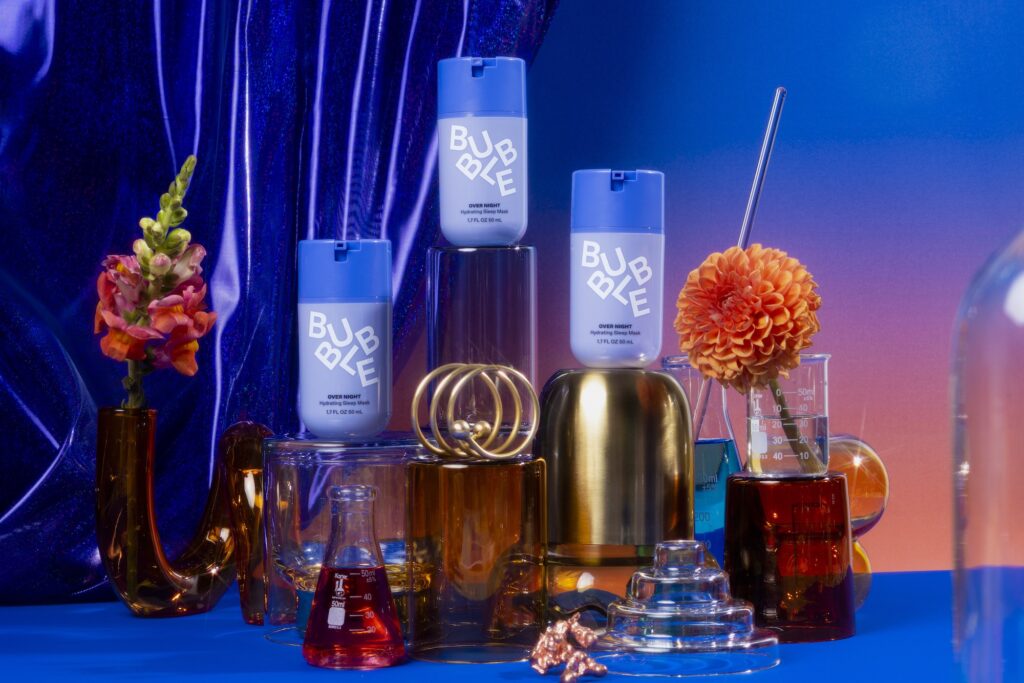
Brands such as Bubble, Sol de Janeiro, E.l.f. Cosmetics and Touchland are popular with gen alpha consumers and have driven growth with targeted, affordable cosmetics for tweens. The Future Laboratory writes that collaborations between beauty brands and gaming platforms like Roblox, including E.l.f.’s virtual campus, “illustrate how brands are reaching younger consumers through their favorite online spaces.” As gen alpha’s influence and buying power grows, the firm advises beauty brands to engage in digital-first experiences that are playful, authentic and age-appropriate.
Ozempic Side-Effect Economy
The dramatic increase in the use of GLP-1 weight loss medications like Ozempic has impacted nearly every facet of wellness and beauty. After losing significant weight, many GLP-1 users look to “glow up” by refreshing wardrobes and changing hairstyles, makeup routine and even their signature fragrance. In the wellness space, there’s be an uptick in supplement and nutrition brands created expressly for GLP-1 users boosting their protein and fiber intake, a phenomenon The Future Laboratory dubs “the side-effect economy of Ozempic.”
The firm underscores that the rapidly expanding GLP-1-adjacent landscape is fraught with “ethical concerns and growing regulation issues.” It advises brands hoping to cash on the GLP-1 onslaught to temper speed-to-market concerns with thoughtful, science-supported, safe product development and realistic claims. In the United States, Robert F. Kennedy Jr., President-elect Donald Trump’s nominee to head the Department of Health and Human Services, is vocally anti-Ozempic, although how his view will translate into regulation or lack thereof of the wellness industry remains to be seen.
Wellness And Beauty Diversity
The Future Laboratory is noticing wellness brands seeking to “address diverse and often overlooked needs” and defy outdated narratives. For instance, it spotlights Vuokkoset, a Finnish personal care brand that developed a “Tampon for Men” campaign with advertising company TBWA to support transgender men during menstruation. According to TBWA, the Vuokkoset product promoted in the campaign “addresses gender dysphoria, which 93% of trans men experience during their cycles.” It’s housed in packaging that aligns with transgender men’s identities and supports comfort and inclusivity.
Another trans-inclusive initiative comes from dating app Taimi and menstrual care company August, which collaborated on a care box on May 17, the International Day Against Homophobia, Biphobia and Transphobia. The box contains sustainably made tampons and pads, and proceeds from it go to Point of Pride, a nonprofit providing healthcare access for trans people. August founder Nadya Okamoto has long been a leading voice in the conversation to de-gender the period care category.
In the beauty category, Being, a haircare brand from the company behind Monday Haircare that entered Walmart exclusively in July, sells haircare products for all hair textures and types from coarse and curly to fine and fragile. According to The Future Laboratory, “Being aims to provide high-quality, accessible products that cater to a wide range of consumers while maintaining ethical and sustainable practices.”
The players
5 mentionedAugust

Bread Beauty Supply
Touchland
Formulate
Bubble