Beauty Specialty Retail's Gen Alpha Attack Plan
The stakes of winning over the next generation of beauty shoppers can’t be overstated. Not only the fate of Kimbell, who’s been succeeded as CEO by Kecia Steelman, but the fate of the entirety of beauty specialty retail could be on the line if Ulta and Sephora cede gen alpha shoppers to a social media platform (TikTok is already bigger than Sephora, Shein and home shopping television), Amazon or a different savvy competitor. If that seems dramatic, think where department store beauty was relative to beauty special retail a decade or two ago—and project that forward if beauty special retailers lose relevance to young consumers as department stores have.
As they vie for relevancy, Ulta and Sephora are in a pitched battle with each other and the forces of digital commerce for dominance over gen alpha, a cohort forecast to wield $5.5 trillion in spending power by 2029, and Steelman is tasked with getting Ulta off the mat after losing an important round. Starting in the fall 2023, Sephora has edged out Ulta Beauty as the No. 1 preferred beauty shopping destination of American teen consumers, according to the biannual survey of thousands of them by investment bank Piper Sandler.
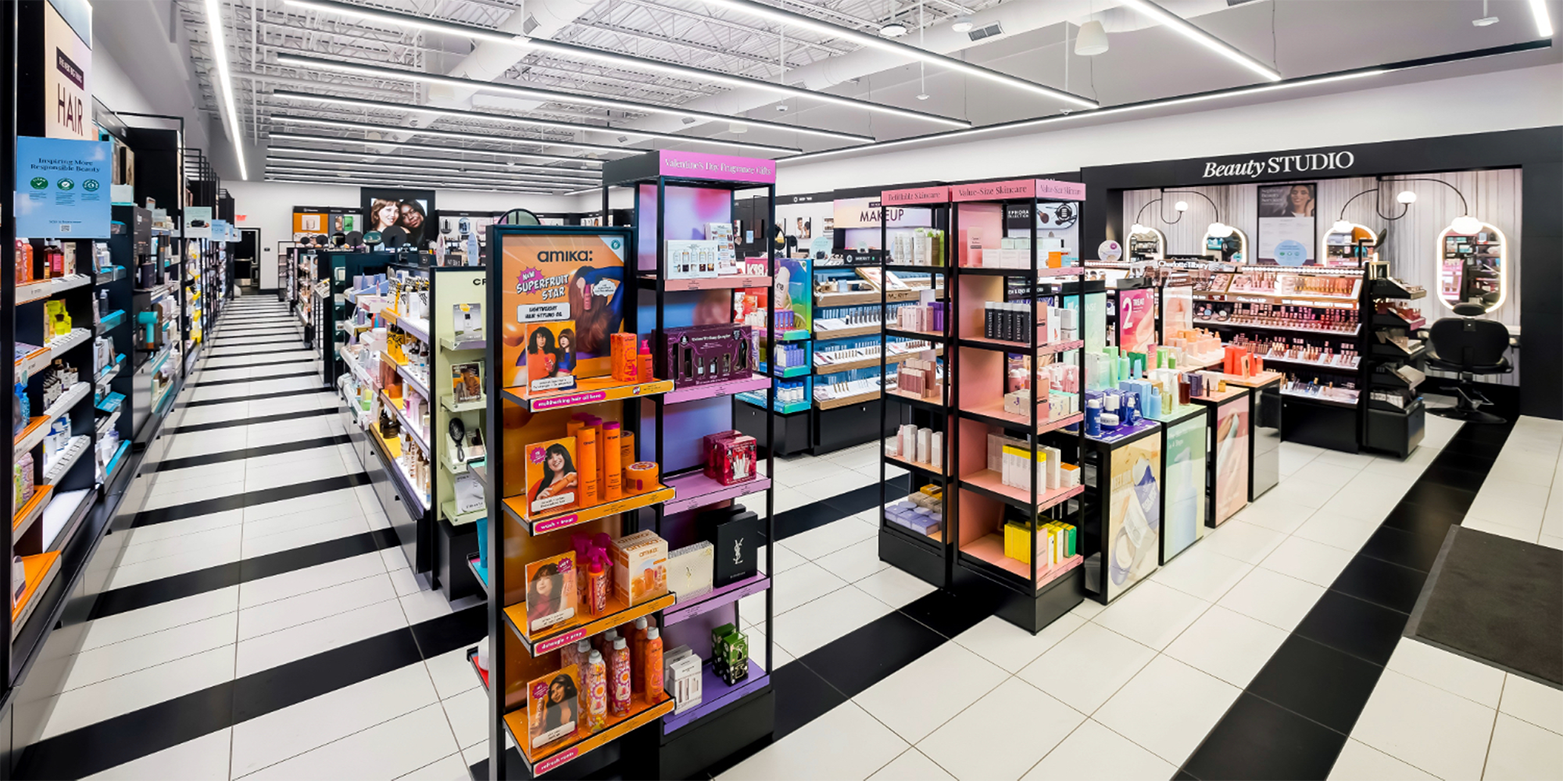
At roughly the same time, the “Sephora kids” phenomenon erupted, and teens and tweens hopped up on TikTok micro-trends rushed Sephora for products from brands such as Drunk Elephant, Rare Beauty, Glow Recipe and Summer Fridays. Sephora’s business boosted parent company LVMH Moët Hennessy Louis Vuitton’s sales in a soft luxury fashion goods market. In the third quarter last year, when the Selective Retailing division Sephora is in registered a 6% sales hike, LVMH described the chain’s performance as “remarkable.” To help keep its performance humming, Artemis Patrick, president and CEO of Sephora North America, told an audience at the trade organization National Retail Federation’s Big Show conference on Monday that it’s upgrading every store in its fleet.
Beauty industry insiders believe Ulta won’t easily diminish Sephora’s gen alpha advantage in beauty specialty retail, particularly involving digital prowess and merchandise curation. Creator marketing company CreatorIQ figures Sephora’s earned media value (EMV), a metric used to quantify the value of social media content, reached $1.1 billion in the United States in 2023 as the retailer benefited from the social media halo effect of some of its popular brands like Rare Beauty and investments in influencer programs and platforms like Sephora Squad and TikTok. In 2021, Sephora’s EMV was $659 million.
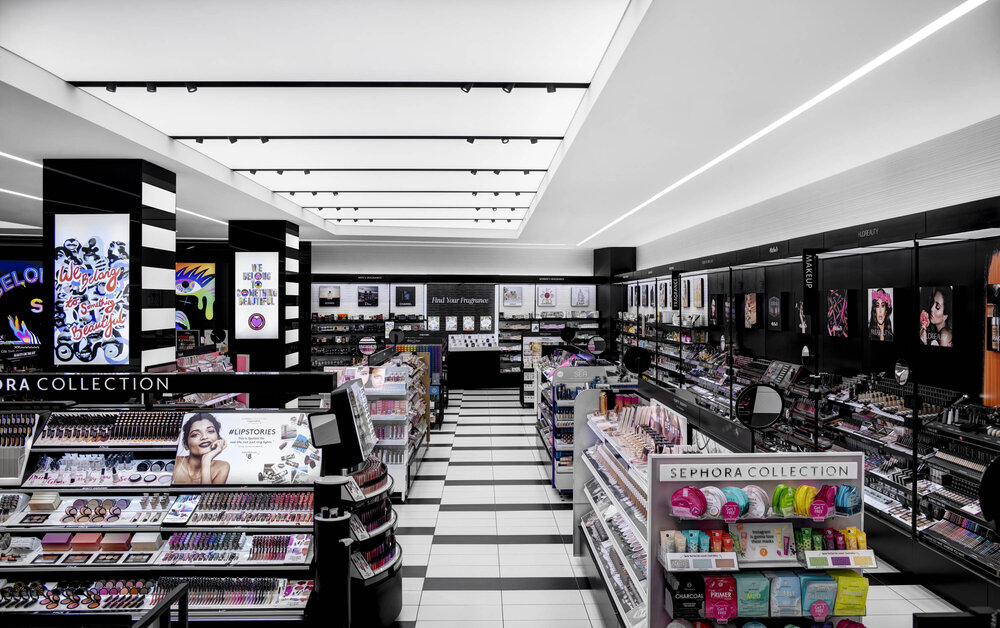
Compared to Ulta, Julie Garza, founder and owner of beauty consultancy Belleza Brands, says Sephora has “a broader online strategy and understands how to reach that consumer through all of the 360 spaces of digital.” Kelly St. John, founder and CEO of beauty brand consultancy KSJ Collective, says, “For gen alpha, it’s not just about product quality—it’s about aesthetics, packaging and social media validation. Sephora’s status as a high-end retailer offering premium and designer brands contributes to feelings of confidence, sophistication and social status among younger shoppers. Influencer endorsements further amplify Sephora’s appeal as gen alpha often looks to social media personalities for guidance on what to buy.”
Ulta is aggressively trying to close the gen alpha gap between it and Sephora with a multifaceted plan that includes introducing brands and products directed at gen alpha like Digi, a colorful press-on nail sister brand of Glamnetic, and Daise Beauty, a new product body care and fragrance brand from Monday Haircare progenitor Zuru Edge that’s cultivating a cutesy day-glow world, modernizing stores and striking collaborations. Anna Vale, a beauty marketing and communications consultant, suggests Ulta’s right to experiment with a number of approaches to land upon ones that may resonate with gen alpha. She says, “Any retailer that isn’t acknowledging gen alpha is going to be really stuck.”
Encompassing individuals born between 2010 and 2025, gen alpha shelled out almost $4.7 billion for beauty products in 2023, with makeup and skincare their most-sought after beauty categories. According to Piper Sandler’s survey of teens in the fall last year, teens’ beauty spending hit its highest level in six years at $342 per shopper, and fragrance spending increased the fastest, at 25% year-over-year.
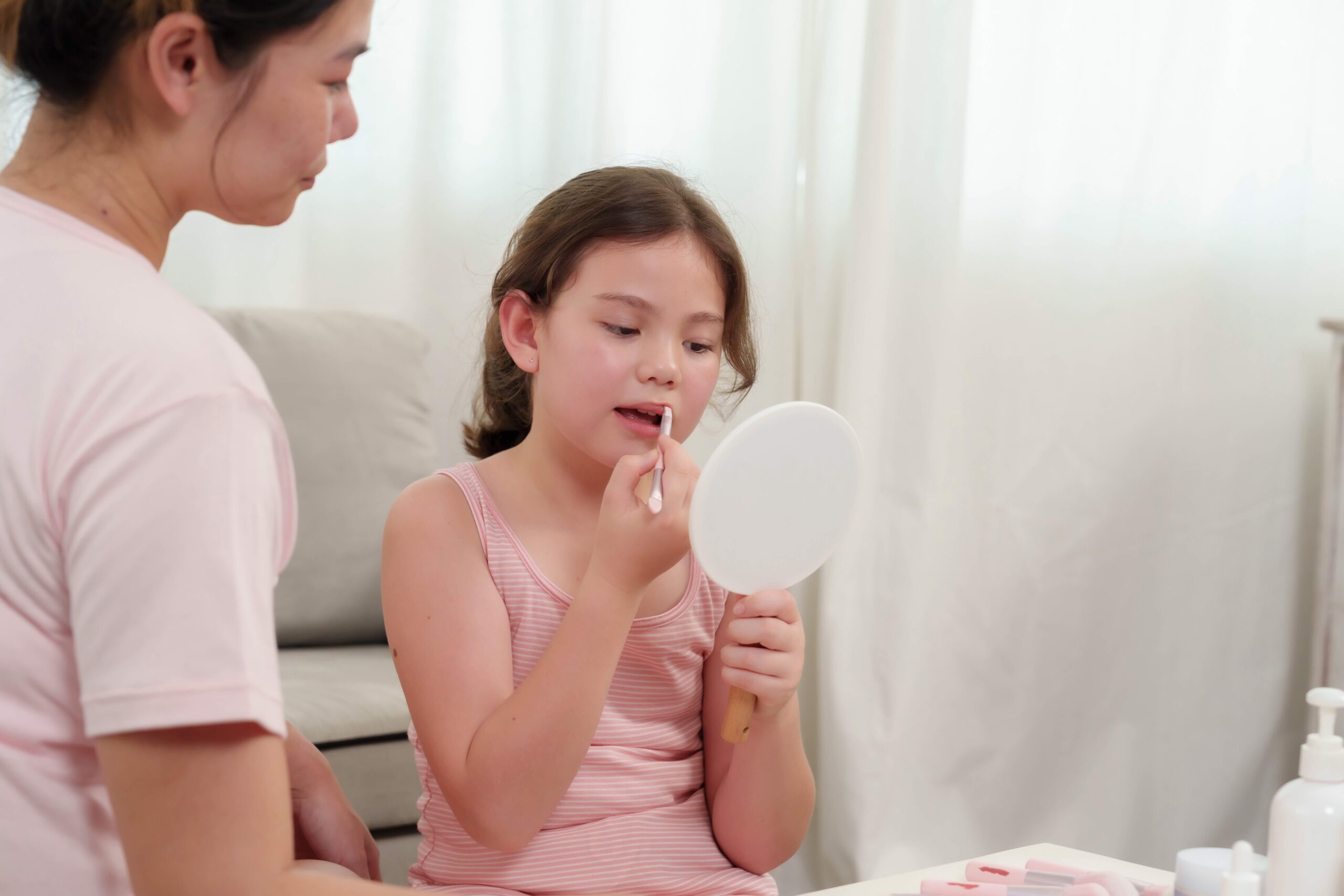
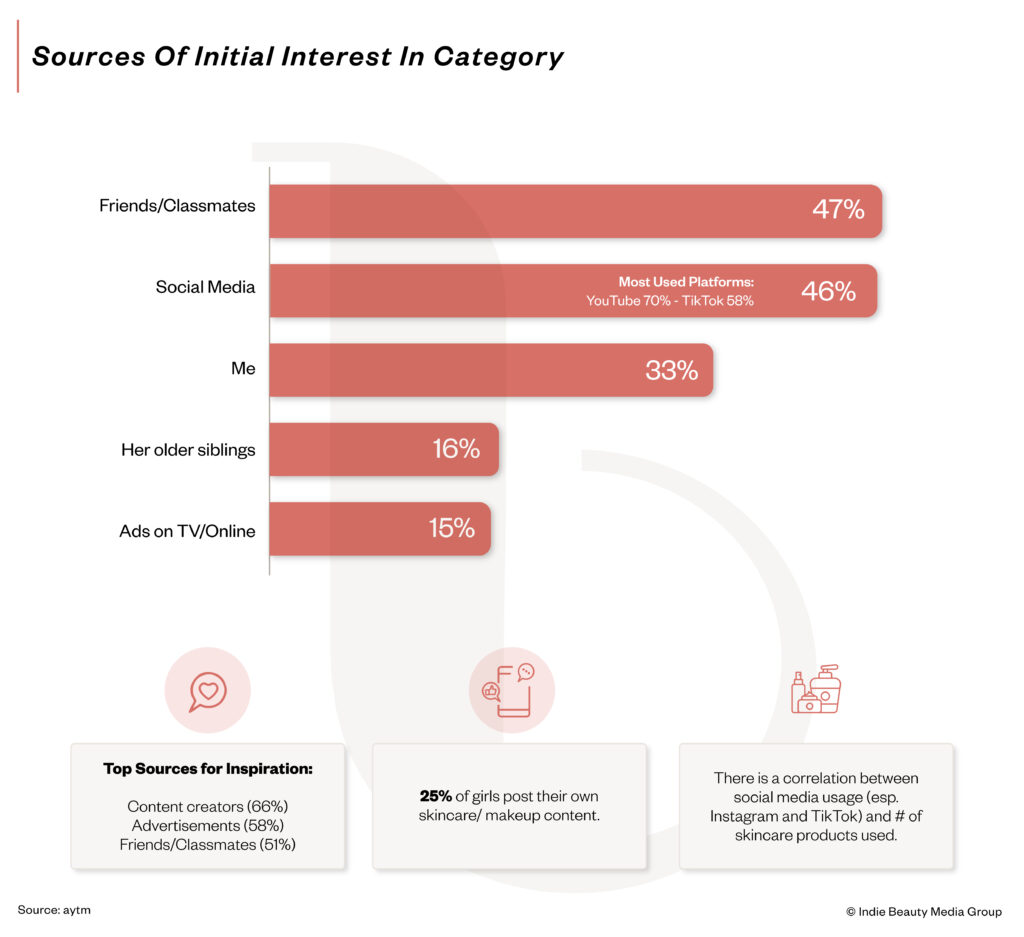
Despite the Sephora kids crush, a survey of 1,000 teen and tween parents conducted last year by market insights firm Atym in partnership with Revlon showed tween girls gravitate to lower-priced mass beauty brands, with E.l.f., Covergirl, Maybelline, L’Oréal, Revlon, CeraVe, Neutrogena, Cetaphil and Aveeno ranking as their top beauty brands. Prestige brands like Drunk Elephant are purchased by roughly one in 10 teen girls. Recommendations from peers and social media platforms like YouTube and TikTok are leading sources of interest in the category for gen alpha customers, and lip gloss, mascara, facial wash and lotion are favorite beauty products.
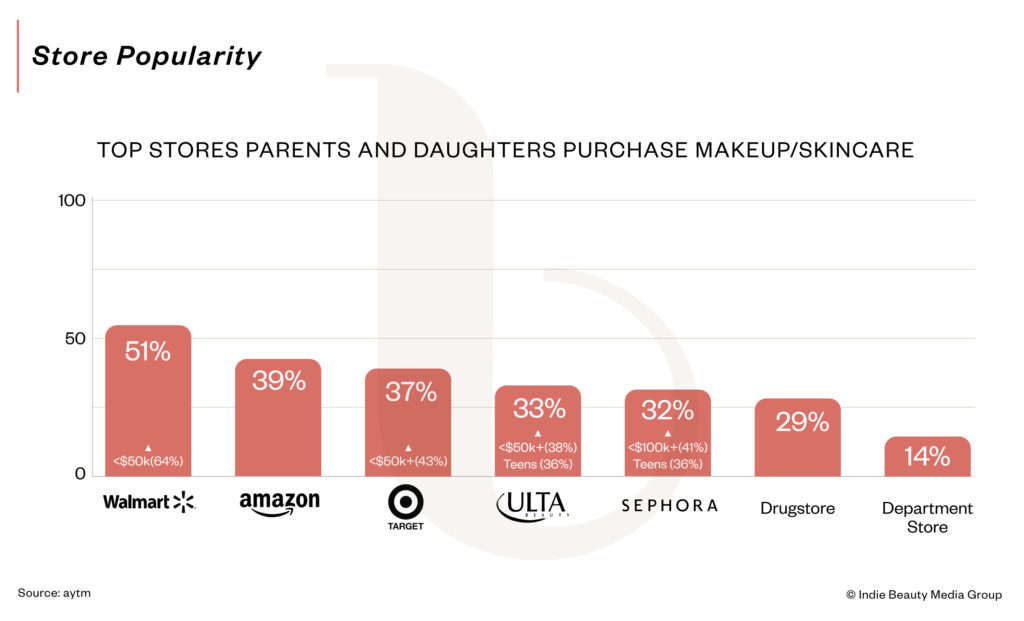
The survey discovered tweens and teens’ top retailers of choice are Walmart, Amazon, Target, Ulta and Sephora. Ulta bested Sephora slightly, although the two were practically tied. One in three teens shop for beauty products at Sephora on average. However, two in five girls in households with a minimum of $100,000 in annual income shop at Sephora.
Comparatively, gen z shoppers between 18 and 24 years old are more inclined to head to the beauty specialty retail channel to buy beauty products. Through September last year, they contributed 11% of beauty specialty sales, according to market research firm Circana, nearly twice the share of spending they were responsible for in the remaining prestige beauty market, which was 6%.
Gen alpha is at the heart of a a turnaround playbook Ulta revealed in September last year centering on selection, social relevance, digital experiences, loyalty members and promotions. Securing brand and product exclusives is key to the selection component of the playbook, and 40 or so brand launches are in the pipeline for Ulta this year. Gen alpha-loved brands like Sol de Janeiro, Charlotte Tilbury and Tatcha, which were formerly Sephora exclusives, have recently joined Ulta’s roster of over 600 brands.
Often hinged on exclusive products, collaborations have been integral to Ulta’s efforts to draw younger consumers into its stores. In early October, it teamed up with Universal Studios to launch a multi-branded collection of “Wicked”-themed products that was available through Christmas with prominent front-of-store placement. It also partnered with Zuru Toys to create beauty-themed Mini Brands sold as plastic egg-shaped balls containing tiny replicas of beauty products that were targeted at gen alpha shoppers.
To up its social media presence, Ulta has established affiliate program UB Creates, associate ambassador program Ulta Beauties and The Joy Project, a multiyear content campaign partnering with content creators, celebrities and brands to convey that Ulta is a joyful place. Its holiday campaign called “House of Joy” ran on gen alpha- and gen Z-driven gaming platform Roblox and featured the brands Bubble, Juice Beauty and Too Faced.
St. John says Ulta’s digital proposition should be “less about posting constantly and more about understanding current trends like viral challenges or popular influencers and incorporating them into their content strategy. This helps make their messaging more relevant and relatable to gen alpha consumers.”
The digital pieces of Ulta’s playbook aren’t the entirety of it. The chain is earmarking nearly $700 million for store investments this year such as events, openings, relocations and remodels. It’s slated to open 200 stores over the next three years as Sephora encroaches on its territory through its shop-in-shop partnership with department store chain Kohl’s. Puck notes that Sephora has expanded more widely and quickly with Kohl’s—it’s set to be in all 1,200 locations by yearend—than Ulta has with Target, where it’s in-store installations are in 500 locations and due to grow to 800 locations.
Ulta must effectively tread the line between digital efficiency and elevated in-store experiences to gain gen alpha beauty shoppers in the long term. “The beauty space is super competitive, and the role of the retailers is harder than ever from the digital impact,” says Lisa Motzko Hamilton, co-founder of Breakthru Beauty and former VP of merchandising at Ulta. “Digital has expedited the change of trends and consumer buying decisions. Ulta and other retailers must continue to evolve and entice the younger consumer to shop in store to have that exploratory experience you cannot have online.”

Garza says Ulta isn’t “known as the beauty educators in the industry. Sephora has hardcore education where associates get certified. Ulta has a ways to go, and I don’t know if they’re ever going to get there. If they’re going to win it, it’s going to be on what they decide to bring in the next year from a brand perspective and how they’re going to market to this customer to get them back to their stores.”
Ulta reports its strategies are beginning to yield results. At its Investor Day conference last October, Monica Arnaudo, chief merchandising officer at the retailer, said, “We are already seeing a younger demographic in stores and expect that to continue.”
The players
5 mentionedNeutrogena

LVMH Moët Hennessy Louis Vuitton
Sol de Janeiro
Charlotte Tilbury
Drunk Elephant