Beauty’s Rush Into GLP-1 Hair Loss
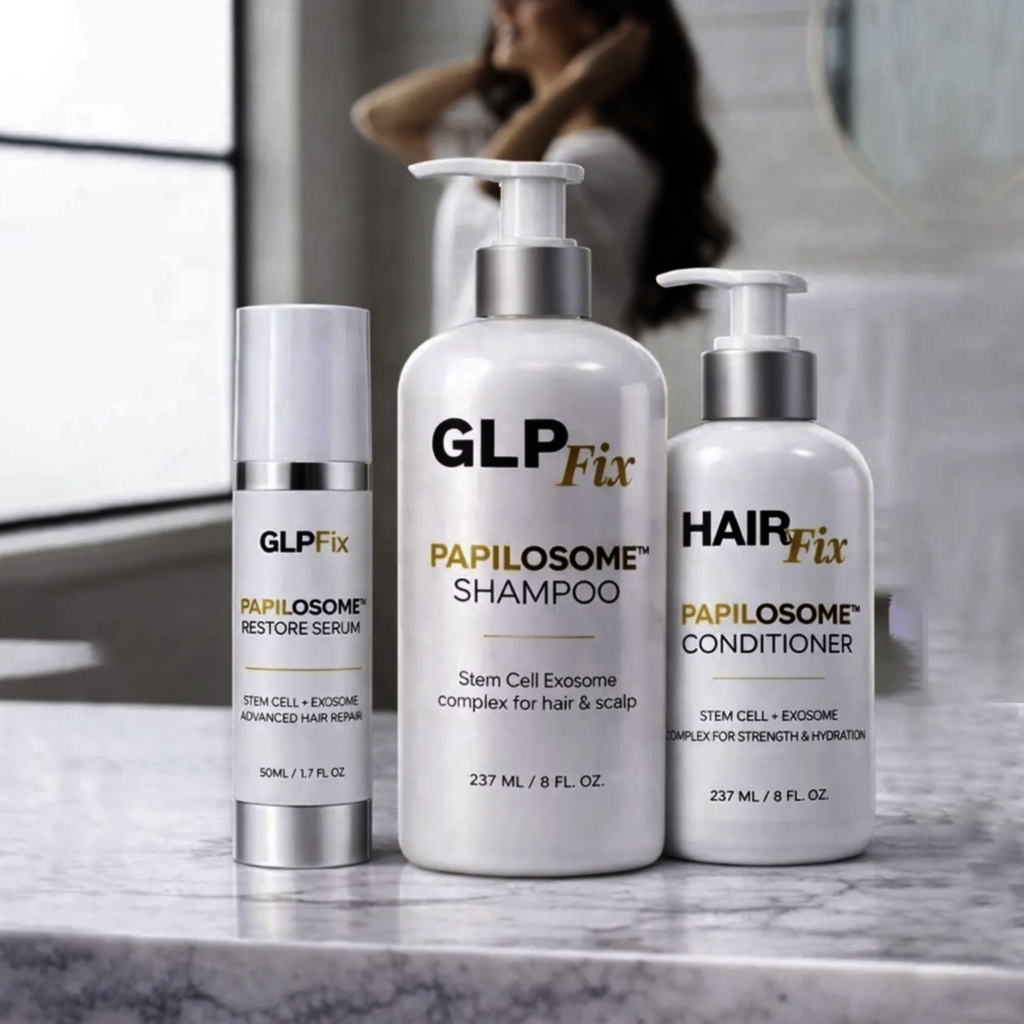
Brands ranging from established haircare players to indie upstarts built specifically for the trend are racing in. BondiBoost has launched a GLP-1 Companion Bundle, Vegamour is partnering with weight-loss creators, Folly has developed hair-health gummies, Arey is positioning its supplement system for nutrient-depleted users, KilgourMD is studying hair-loss interventions for GLP-1 patients, and newcomer GLP Fix has erected an entire brand around the category.
In May, hair growth brand OMI is introducing the next generation of its Hair Growth Peptides supplement collection designed to treat thinning, including from GLP-1 use, at the root cause. With the rise of GLP-1s, professional skincare brand Obagi Medical has entered the hair category with Nu-Cil BioStim Scalp Serum to address hair thinning and loss.
The rush into GLP-1 hair loss territory, reminiscent of transformations in other categories, from fashion to food, demonstrates the size of the opportunity. Morgan Stanley estimates 19 million Americans are currently taking GLP-1 medications and forecasts that figure will climb to 55 million by 2035, representing 15% of the U.S. population.
According to NewBeauty’s State of Aesthetics Summer Report published last July, 51% of GLP-1 patients reported hair loss or changes in hair quality versus 37% the prior year. Google Trends identified “hair loss” as the most-searched beauty topic of 2025, with searches for “female hair loss” up 125% year-over-year.
The global GLP-1 drug market is projected to grow from $62.2 billion in 2025 to $157.5 billion by 2035, according to Research and Markets. Meanwhile, Mordor Intelligence estimates the hair loss treatment products market at $3.14 billion and expects it to hit $4.45 billion by 2031. Grand View Research predicts sales of hair growth supplements will surge 15.5% annually through 2030, when the segment will cross $1.9 billion globally.
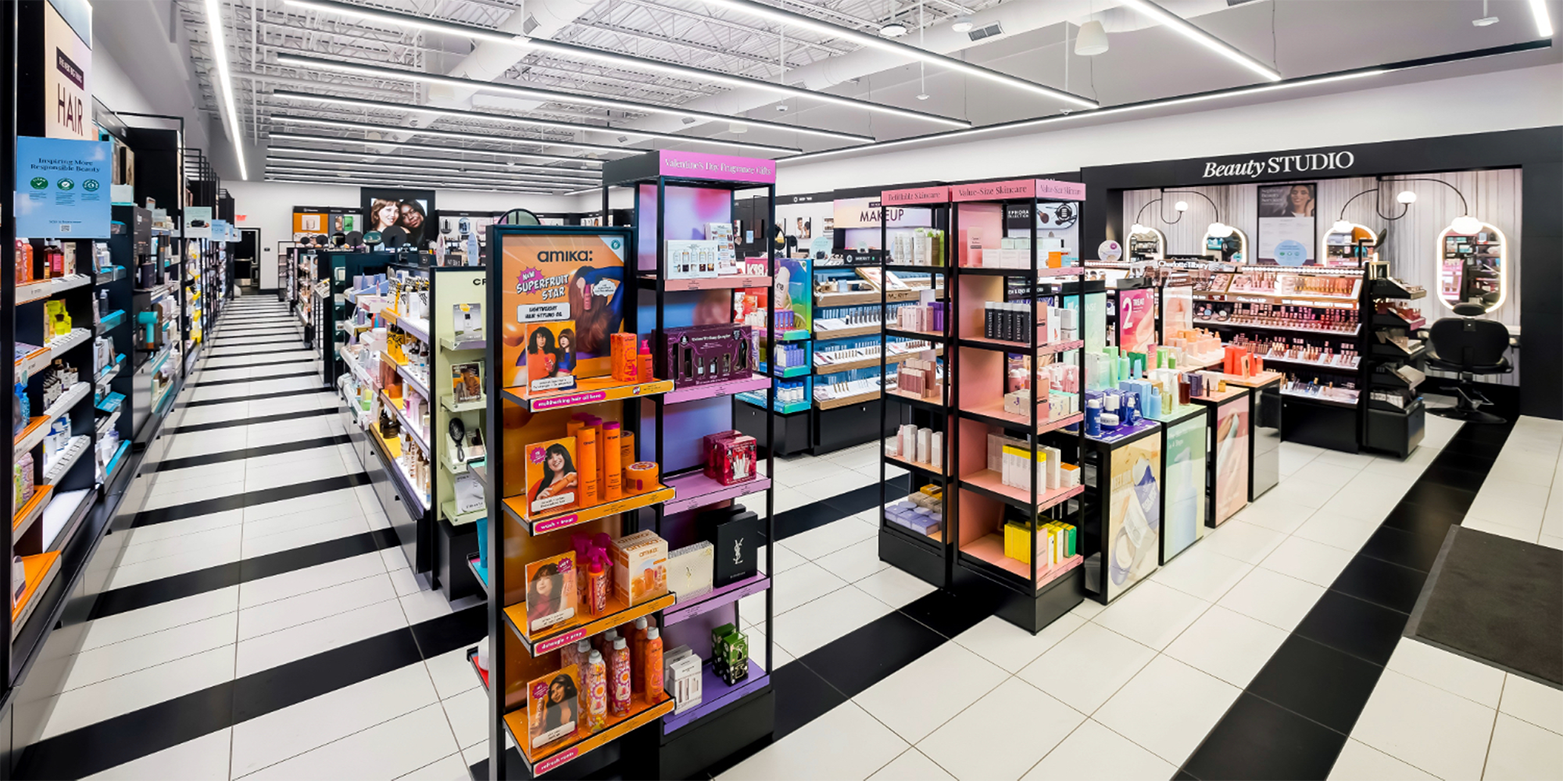
Retailers are responding to the momentum. Ulta Beauty CEO Kecia Steelman is guiding the beauty specialty chain to capture what’s referred to as “medically adjacent beauty demand.” Appearing on Yahoo Finance’s Opening Bid Unfiltered podcast on April 6, Steelman says, “Hair loss with GLP-1s is real. Products can help with that.” Ulta sells products from Divi, Redken, Nutrafol, Nioxin, MaryRuth’s, Viviscal, Virtue and BondiBoost for hair growth, strength and density.
BondiBoost wants consumers to think of its haircare products as helpful solutions—and they increasingly do. “The most interest [in our products] has come from GLP-1,” says Julia Ramanadhan, global brand president at the Performance Beauty Group-owned brand. “It has become the biggest driver [of new consumer traffic].”
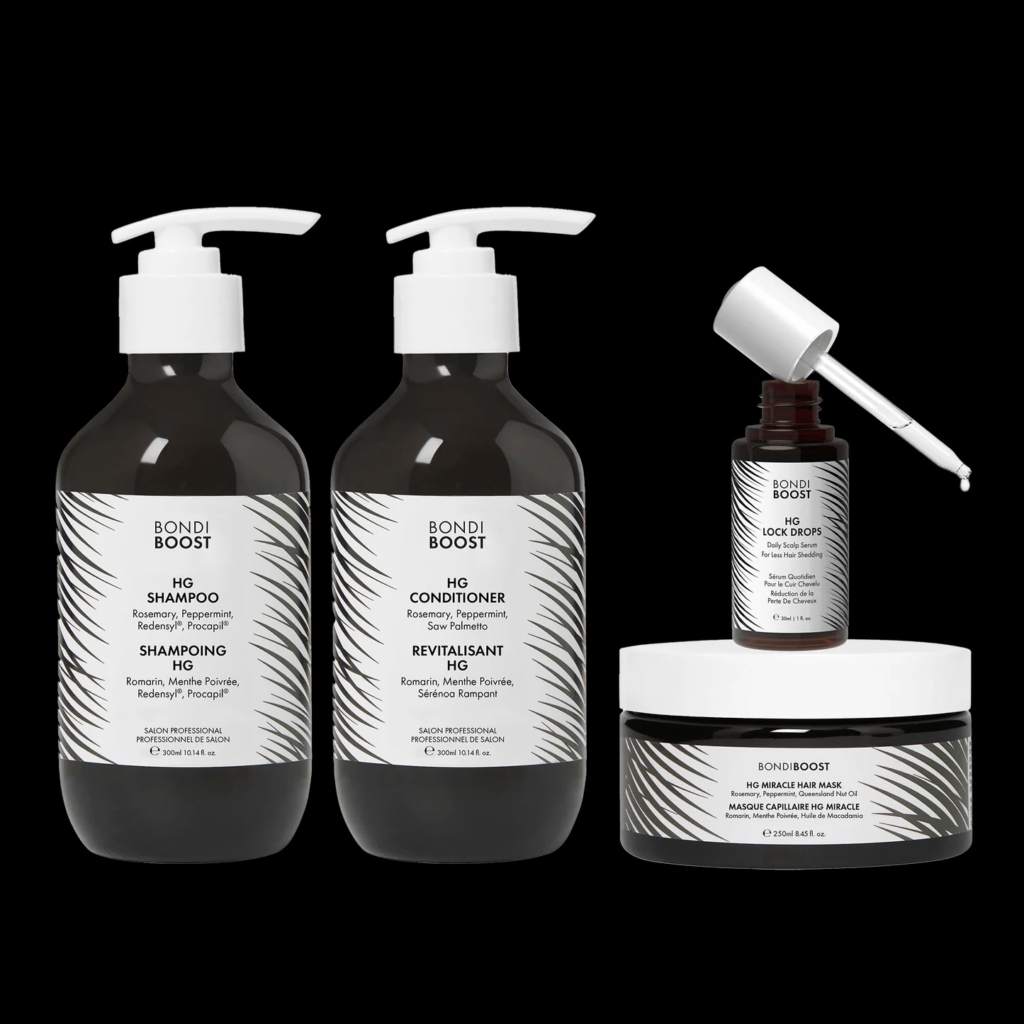
BondiBoost’s GLP-1 Companion bundle is a $115 four-step haircare system with shampoo, conditioner, hair mask and drops explicitly marketed to people using GLP-1 medications and dealing with related hair shedding or thinning. The brand also markets to postpartum and perimenopausal women encountering hair loss.
With GLP-1s designed for long-term use, although roughly half of the people on them drop off within a year, BondiBoost’s bet is that the GLP-1 consumer is a door into a lifetime of scalp care. “[This consumer] is not a traditional beauty consumer. It’s not someone who’s obsessed with long regimens,” says Ramanadhan. “It’s someone who’s thinking about hair and scalp…not optimization.”
Jay Small, trichologist, hairstylist and co-founder of Arey, the brand aimed at aging hair and keeping grays at bay, sees clients in person and runs 20 to 30 virtual patient consultations weekly. He identified GLP-1-related hair changes before they sparked a beauty category. He believes Arey’s products such as a supplement to slow graying and a serum to promote thicker hair and pigment preservation, built around nutrient deficiency as a driver of hair aging, map onto the GLP-1 mechanism. The supplement contains vitamin D3, biotin, iron, vitamin B12 and folate to stimulate hair growth.
“If you’re 32 eating one and a half meals a day, you’re getting just as many nutrients as a GLP-1 user at 39,” says Small. “The body is telling itself, ‘[The hair] is non-essential, and you don’t need to have it.’” He adds, “You don’t need to make a drastic shift. You just need to turn back on the nutrient supply and [restore] the fuel you’ve lost.”
Founded by dermatologist Dr. James Kilgour, scalp care brand KilgourMD, which recently closed a series A funding round and is on track to reach $75 million to $100 million in sales this year, is conducting a clinical trial evaluating a hair loss intervention in GLP-1 patients. In a four-month independent clinical trial involving 43 menopausal women with androgenetic alopecia, the brand already discovered improvement in 53% of them by day 120.
“GLP-1 has simply accelerated awareness of this category rather than fundamentally changing it,” says Kilgour. “The common thread across our customer base is not one specific trigger, but a disruption to the hair cycle.”
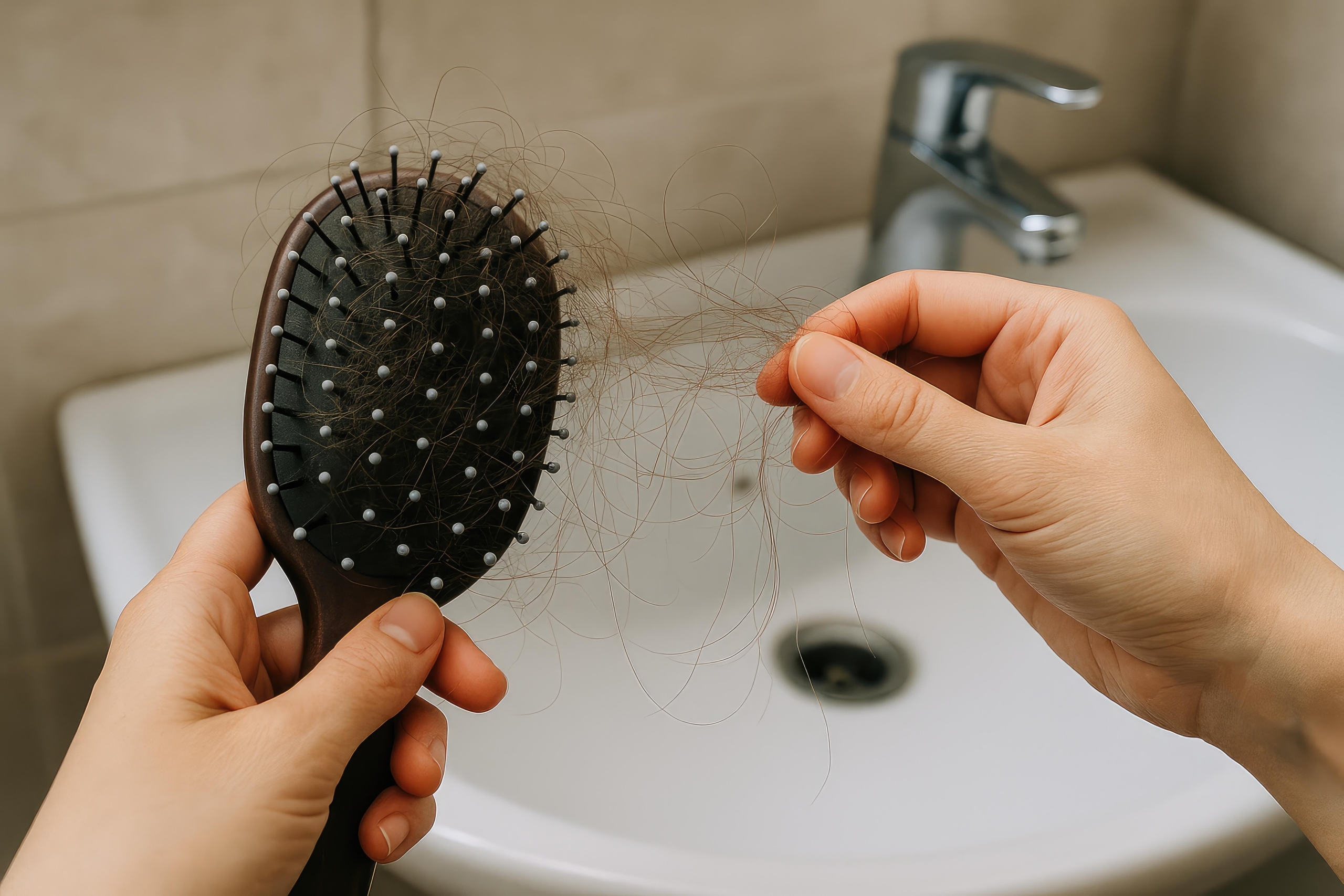
There’s a catch to the GLP-1 hair-loss rush. Telogen effluvium or temporary hair shedding triggered by stressors like rapid weight loss, illness or hormonal change is, in most cases, self-resolving. Hair often returns within six to 12 months once the body stabilizes, with or without a haircare product bundle. Every brand in this space is, to some degree, selling into a problem that time alone generally corrects.
Kilgour says, “Time will eventually allow the hair cycle to reset, but it does not actively optimize that process.”
Products may shorten the recovery window for hair and support stronger regrowth, but those claims require clinical evidence haircare players haven’t largely invested in yet. And when products can’t deliver what the packaging implies, Kilgour argues the consequences run deeper than a return.
“When products are positioned as quick fixes, patients may abandon treatments prematurely or lose trust in the category altogether,” he says. “It risks undermining the credibility of what is actually a very legitimate area of dermatology.”
Small recognizes the same risk playing out at the store level. “A GLP-1 endcap will come, but the products most likely to occupy it won’t be there a few years after that. It’ll be trend-based,” he says. “It won’t be legacy-based.”
Small’s advice to GLP-1 users cuts through all of it: “You’re going to get your hair back. Don’t freak out.” It’s soothing counsel for consumers, but for the brands racing to build a business around their hair loss issues, the clock runs differently.
The players
1 mentionedKilgourMD