Beauty Retail's Big Dream For The Business Of Sleep
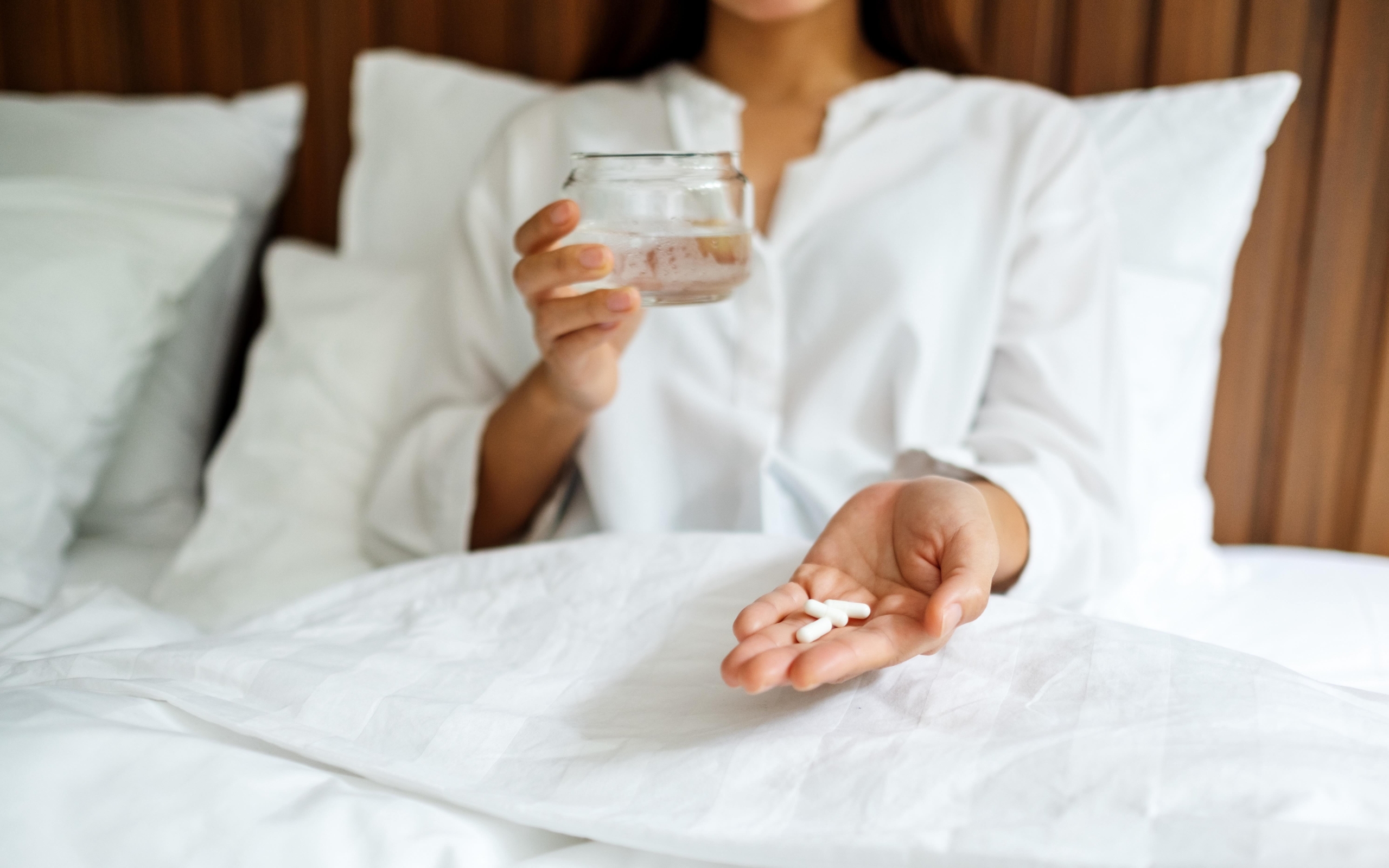
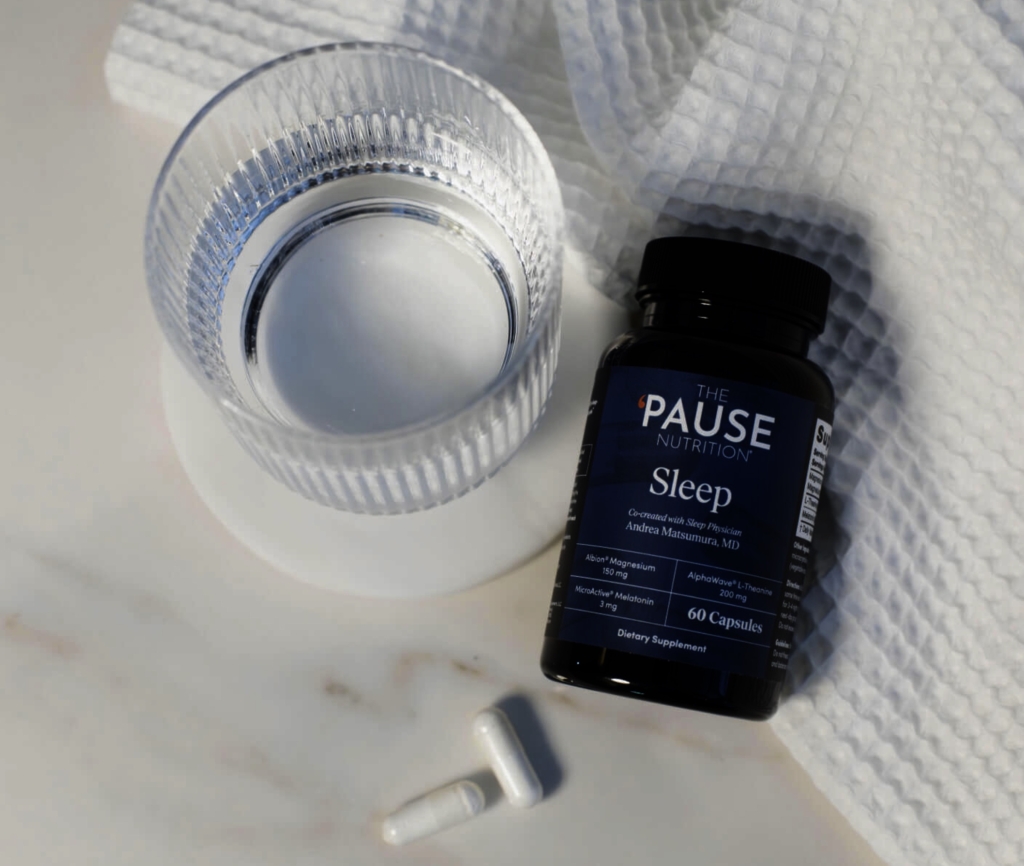
Credo Beauty stocks a sleep candle from Caftari, and sleep capsules from Stripes, Sakara and The ‘Pause Life, a recent entrant that combines melatonin, magnesium and l-theanine for sleep disturbances from menopause and perimenopause. Nordstrom has carved out a sleep aids and nighttime beauty selection pairing skincare for people’s outsides with ingestibles such as DreamWater’s Sleep Powder and Hum’s Mighty Night for their insides.
Beauty retailers have big dreams about the commercialization of sleep as they attempt to become one-stop shops for the merging categories of beauty and wellness. Everyone sleeps, but few sleep very well, rendering tired consumers constantly on the hunt for solutions. Sixty percent of Americans report insufficient sleep, according to the National Sleep Foundation. Stress, anxiety and poor lifestyle habits can disrupt sleep. A 2024 survey by the American Academy of Sleep Medicine found that 12% of adults live with chronic sleep disorders.
“In today’s wellness era, consumers know beauty is no longer just about topicals, but also holistic well-being investments,” says Gabriella Ramirez, a merchant at Credo. “Consumers are investing in rituals that support both mind and body. They are pairing self-care skincare routines with quality sleep to feel and look their best.”
There’s no single cure for bad sleep that works universally. Sleep issues stem from a unique combination of physiology, behaviors and environment, resulting in consumers continually cycling through products to seek their answer. “It’s a massively large and worsening problem,” says Nancy Ramamurthi, founder of consultancy 2 Cubes and former CEO and co-founder of sleep health brand Proper, now Sonnet.
Andrea Matsumura, a sleep medicine physician who co-developed The ‘Pause Life’s sleep supplement, says, “During sleep, cellular repair, collagen synthesis, hormonal regulation and metabolic recalibration all occur. These processes directly influence skin health, inflammation, mood and how we age. Women in midlife are often sleep-deprived at the exact stage when hormonal changes make restorative sleep harder to achieve.”
Ramirez chimes in, “The conversation is moving from chasing flawlessness to building calm, comfort and repair. The Pause Life aligns with the mindset, permission to rest and routines that help skin and the nervous system downshift at night. The Pause Nutrition Sleep brings that inside-out lens to life with an ingestible designed to support the wind-down as part of the same nightly ritual as your topical repair step.”
Valued at almost $68 billion last year, the global sleep market is projected to accelerate at a compound annual growth rate of 5.9% to reach $113.61 billion by 2033, according to Straits Research. The global sleep aids market, including medication, supplements and tools, is projected to expand 5.4% annually to go from $77.4 billion last year to $162.6 billion by 2034, per Precedence Research. Looking to the broader worldwide wellness market, the Global Wellness Institute forecasts it will close in on $10 trillion by 2029.
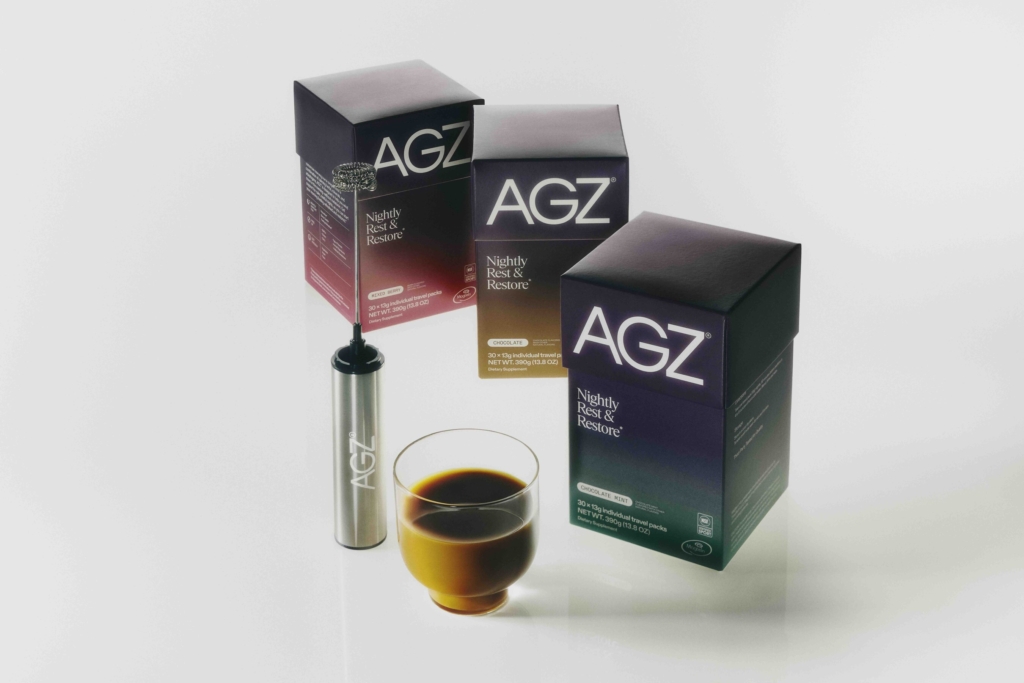
The sleep merchandise boom is far from slumbering, and sleep startups are proliferating. Started in April this year, Orion, a company with a sensor-activated mattress cover that collects sleep data, closed a $17.5 million seed funding round this month. Elemind and Muse sell high-tech headbands to lull people to sleep. Ozlo Sleepbuds are headphones constructed to block sleep-disrupting sounds. Deeps specializes in sleep-inducing patches, and Cuddle Sleep Health, AG1, Designs for Health and Nooci have recently joined the sleep supplement party.
The pandemic and its associated health reckoning established the conditions for the current sleep obsession. “COVID-19 shone a light on the importance of taking care of yourself both mentally and physically,” says Ramirez. “It gave us a much overdue pause, and we had the opportunity to realize [what] facets complement the other and are the core fundamentals to living well. Consumers soon began recognizing the link between sleep and skin health.”
Social media and wearable devices, notably Oura, the health monitoring company valued at $11 billion that scores ring wearers on the quality of their sleep, are amplifying the sleep conversation and stoking consumer interest. On TikTok, the idea of sleepmaxxing, a variety of tricks, hacks and rituals designed to improve sleep, has surged in 2025, amassing over 100 million posts. Hashtags like #sleep have generated more than 51 billion views. On Pinterest, searches for “going to sleep” routines have soared 360% this year.
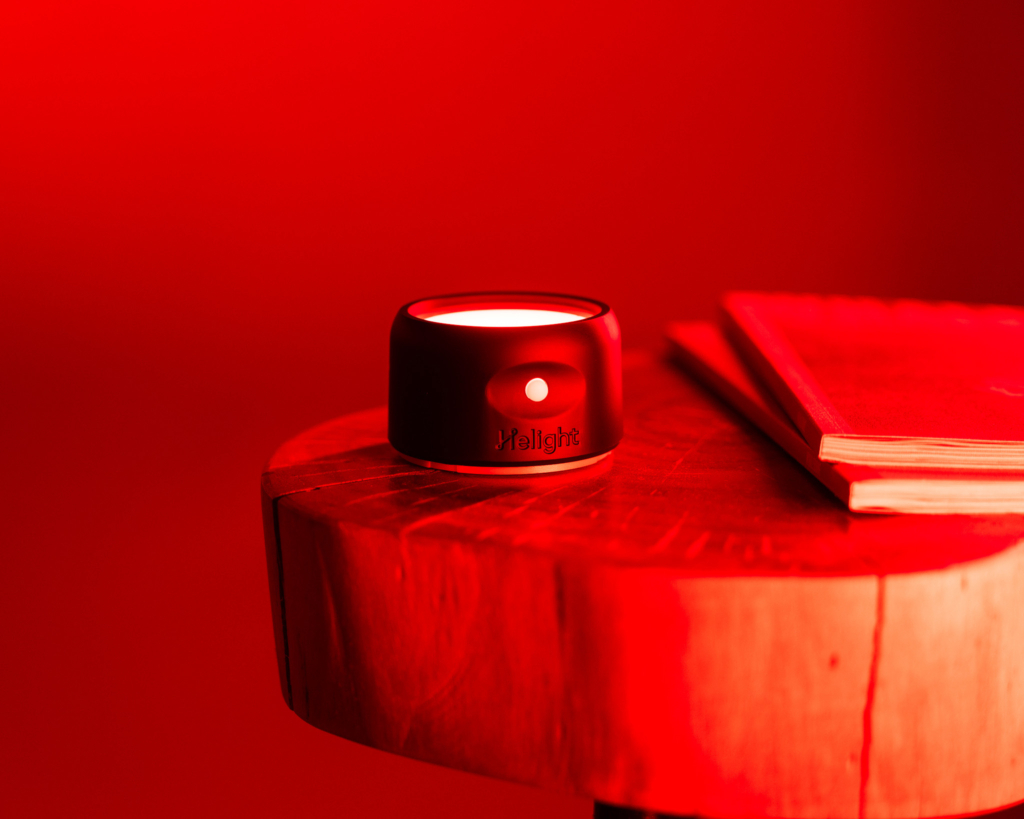
Helight CEO Denise De Baun says sleep “is no longer a wellness afterthought. It is increasingly recognized as the foundation of everything else: mood, metabolism, skin health, emotional balance and longevity.” She adds, “Consumers are now engaging with sleep on multiple levels. They are tracking and optimizing it through data, but they are also learning to reconnect to the emotional and sensory experience of rest. Increasingly, they are leaning into evening rituals and creating beautiful sleep sanctuaries.”
Matsumura says, “We’re moving away from the quick fixes and toward foundational health. Sleep sits at the intersection of beauty, longevity and hormone balance. When you optimize sleep, you’re restoring biology rather than beauty.”
Like a good night’s sleep, success in the sleep category has proved elusive for beauty retail, and its latest hop into bed could be nightmarish. Ramamurthi explains sleep products generally garner vigorous trial as blurry-eyed consumers experiment with remedies, but consistent purchasing can be a problem.
“The key challenge is building customer confidence in product selection and integrating it into their lives, teaching new behaviors,” she says. “Most people understand sleep supports beauty, but they’re unsure which products work and how to use them. The category is still early stage at beauty retailers. There’s real opportunity, but no one has cracked the code yet on how consumers should integrate sleep wellness into their beauty routine and make it simple, engaging and credible.”
For beauty retailers, there are several practical barriers to a prospering sleep product business. They must educate staff on product types unfamiliar for their environments, adroitly merchandise a category that can be an awkward fit for their existing segmentation, communicate to shoppers that haven’t previously thought of them as destinations for sleep solutions, set expectations for results that can be limited, and compete with pharmacies and wellness-focused retailers known for sleep aids.
“Sleep brands seek beauty distribution because customers understand the sleep-beauty connection and brands want to be a part of new sleep behaviors as they get added to nighttime routines, but these brands need to recognize they’re helping to build this category and that point solutions often aren’t the answer,” says Ramamurthi. “Poor sleep is driven by multiple factors, physiological, behavioral and environmental. The brands that understand this and help customers and beauty retailers build the right mix of product, habits and environmental changes in ways that are simple, engaging and credible will win.”
Ramirez identifies the biggest hurdles as consumer education and resistance to a relatively nascent concept in beauty settings. “At the end of the day, Credo Beauty is known first and foremost as a beauty retailer, and many consumers still associate sleep supplements with mass retailers or the wellness aisle and not their skincare routine,” she says. “As we continue to build out our wellness strategy, our focus is on educating consumers about how daily ingestibles can play an important role in achieving healthy skin from within.”
Inspired by NASA’s methods for facilitating astronauts’ ability to sleep in space, Helight has sold 100,000 devices globally since its launch in 2018. Last month, the brand made its debut on Ulta’s UB Marketplace, the retailer’s invite-only online program for third-party brands. Extending the beauty specialty chain’s wellness offering has been a goal of the marketplace. Beyond Ulta, Helight is available on Amazon and at Goop.
“Our initial strategy was based on direct-to-consumer. Penetrating the market, building awareness and establishing credibility were our first priorities,” says De Baun. “Ulta, of course, would be on anyone’s strategic partner list with true expertise in beauty and wellness, and they were identified in ours from the start.”
Consumers are raising the bar for sleep supplements and gizmos. Skeptical of remedies with little evidence, they’re drawn to products with scientific backing and expert involvement. “The era of surface-only fixes is over. People are exhausted, both literally and figuratively, and they’ve started to demand beauty that respects biology,” says Mary Claire Haver, the OBGYN and founder of The ‘Pause Life who has 5 million-plus followers between Instagram and TikTok. “When you normalize sleep as part of a beauty ritual, you’re answering what bodies actually need to regenerate, not just temporarily masking fatigue.”
“The narrative is shifting from perfection to preservation,” she continues. “Rest and recovery reframe beauty as ongoing maintenance, not a war against time, but a practice that preserves function and quality of life. The message is restorative: look better because you feel better, not because you erased reality.”
Ramirez predicts a rise in doctor-founded brands with science-powered products. “Focus will expand to launching supplements that work in tandem with topical products and highlighting the benefits of using both as part of one cohesive nighttime ritual,” she says. “We’ll also continue to see a rise in devices to measure sleep quality, but also devices focused on overnight skincare repair.”
The players
5 mentionedRitual

Better Being
August
CeraVe
Topicals