Beauty Retailers Want In On Wellness, But They're Not Winning Over Wellness Shoppers—Yet
Market data resource Statista estimates 66% of wellness products are purchased at stores, where shoppers are able to investigate what’s available and talk to store staff to uncover what’s right for them. Beauty retailers believe they can bolster their share of consumer wallets by complementing beauty merchandise with wellness products. After all, their shoppers are probably buying wellness solutions somewhere. Why shouldn’t it be at their beauty store of choice?
With that logic and an eye toward a lucrative business segment (survey data from consultancy McKinsey & Co. shows that about half of Americans considered wellness their most important daily priority last year), Ulta Beauty, Sephora, Nordstrom, Bloomingdale’s and Bluemercury are among the retailers that have jumped into wellness. But adding ingestibles, massage oils, bath soaks and pillow sprays to a beauty store assortment isn’t an automatic home run for retailers known for selling foundations, lipsticks, serums and eye creams.
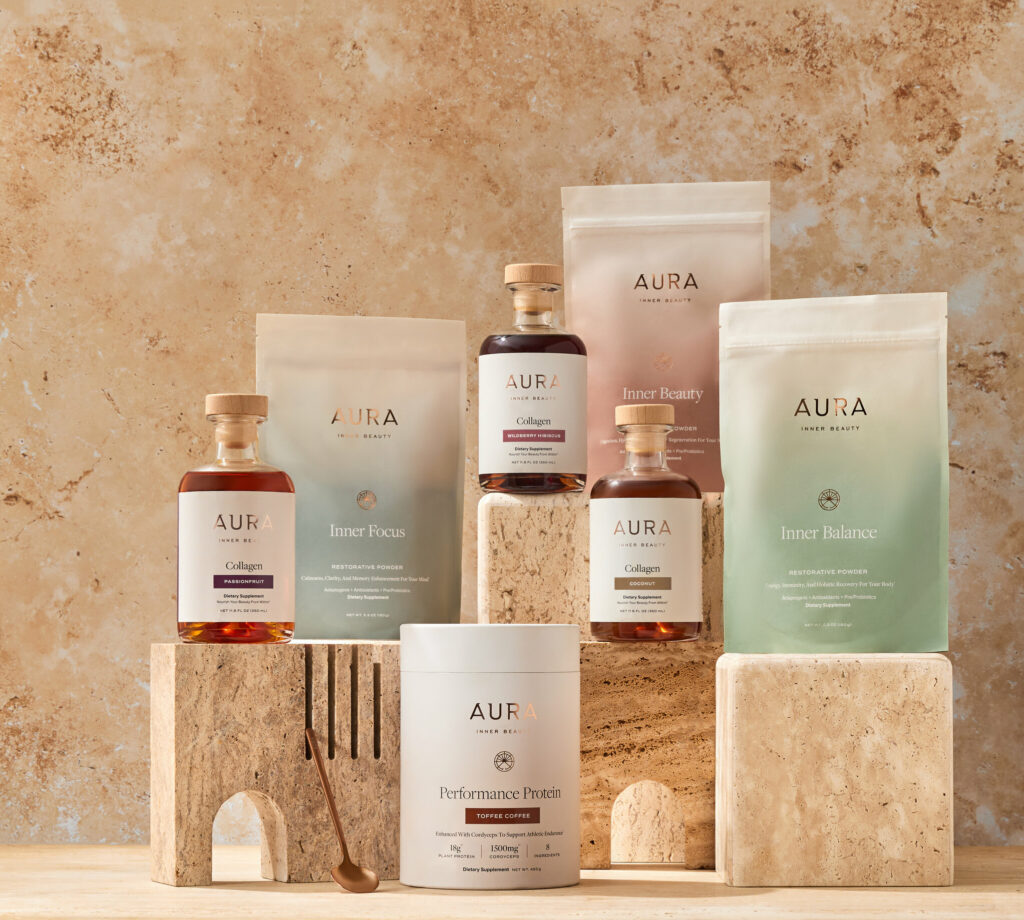
Avalon Lukacs, founder of supplement brand Aura Inner Beauty, asserts, “I’d say most beauty retailers are failing to capture this category. A lot of the products end up being low-quality, not effective and don’t fit into their story.”
For beauty retailers to productively capture wellness sales, beauty and wellness industry insiders argue they’re going to have learn more about their customers’ preferences for wellness products, share meaningful information about them in meaningful places online and offline, and be patient.
Margarita Arriagada, founder of cosmetics brand Valde Beauty and former chief merchant at Sephora, says, “Wellness is the future, and we’ve only tapped the surface. Beauty retailers have a responsibility to do it better.”
Wellness is an amoebic category that encompasses health, beauty, fitness, sleep, nutrition and mindfulness, presenting retailers with a myriad of routes to fuel sales. “Wellness is a large opportunity that enables retailers to build consistency out of diversification, and diversification is key in building resiliency,” says Pauline Mexmain, senior manager at global consulting firm Kearney.
However, the vastness of wellness can be challenging for retailers that aren’t strategic about it. Kelly St. John, founder and CEO of beauty brand consultancy KSJ Collective, says, “A lot of retailers try to do wellness, but, if they don’t understand that you have to define what it means, what kinds of products you’re including, plus how you’re approaching it from a marketing and merchandising perspective, that’s when the effort fails.”
Consumers aren’t going to purchase products designed to improve their health from just anybody. Beauty retailers have to become wellness destinations consumers trust to convince them to place supplements in their baskets alongside mascaras and moisturizers—and beauty industry insiders feel they’re a long way from that goal.
Jessica Assaf, co-founder and chief education officer at CBD body care and wellness brand Prima, says beauty retailers are rushing into wellness with products that don’t necessarily align with their core customers. She points out Sephora and The Vitamin Shoppe’s wellness supplement push isn’t working out swimmingly for either yet.
Prima’s supplements are available at The Vitamin Shoppe and Thrive Market, health-focused retailers that prioritize vitamins, protein powders and gut health products. Its body care and skincare products are carried by Sephora, where customers are accustomed to browsing a wide selection of products in beauty categories.
Prima’s body care products failed to gain momentum at The Vitamin Shoppe and exited the retailer’s assortment. Meanwhile, the brand’s body care products have been winners at Sephora, where its Beyond Body Oil and Bath Gems are bestsellers. According to Prima, its Bath Gems are the specialty beauty retailer’s top-performing bath product.
“It’s easy to think that expanding an assortment and now offering supplements at a beauty destination is an effective tactic, but it’s so important for every retailer to remember their core identity,” says Assaf. “Most people are coming into Sephora to buy makeup and to not buy their gummy vitamins.”
Educating staff to properly sell wellness products in a traditional beauty setting is another challenge faced by beauty retailers. In particular, communicating the long-term effects of ingestibles to shoppers is complicated. “Unless you understand those, you can’t sell them,” says St. John.
Retailers with high turnover may need to augment in-store education with technology to ensure a revolving cast of store associates comprehend wellness products. Arriagada highlights Sephora’s Color IQ system as a technology that assists customers and beauty advisors with tricky foundation color-matching. An analogous system could be suited to wellness products, but it’s not likely to be around the corner.
Arriagada says, “It’s so complex for retailers to make big moves. They have to be very cautious.”
Although a substantial majority of wellness purchases are conducted in stores, wellness e-commerce is expected to increase. Mexmain says the objective for retailers should be to join content with commerce to instruct customers about wellness and stoke engagement online. She spotlights Goop as a platform that commendably combines content and commerce. Dermstore, Thrive Market and Poosh are additional examples of wellness purveyors with information-laden e-commerce shops.
Many beauty retailers don’t have wellness tabs on their websites, but instead subsume the category under bath and body. Landing pages are simple, and product detail pages for ingestibles and devices tend to follow the formats of product detail pages for makeup and skincare products that detail pricing, ingredients, instructions, ratings and customer reviews.
“Wellness needs to be a one-stop shop to work online. You should be able to search by category pillar in whichever way you want, whether it be feminine care, menopause, CBD, microbiome or whatever,” says Arriagada. “Within that space, ideally you’d have editorial content, YouTube content and other education content.”
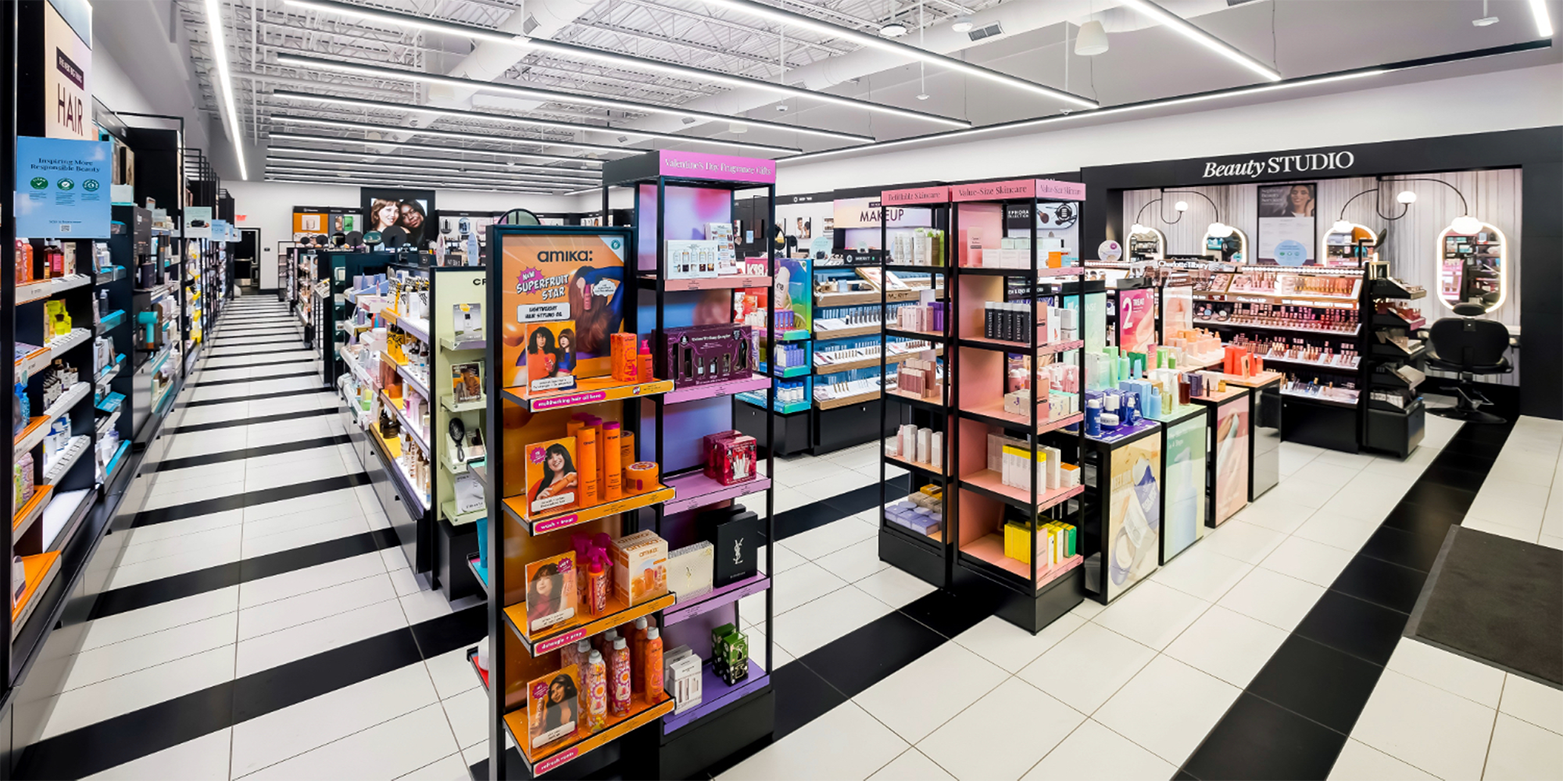
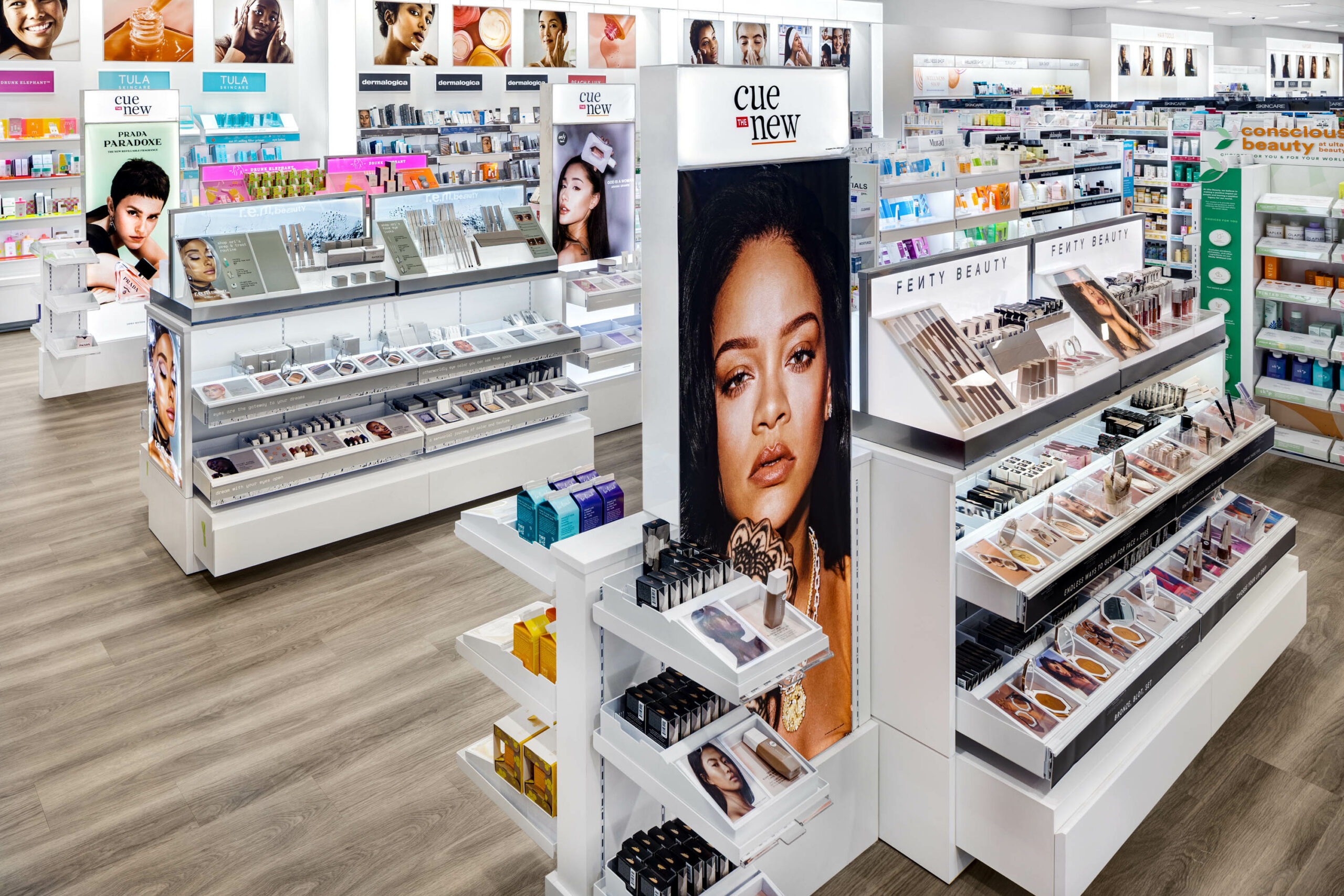
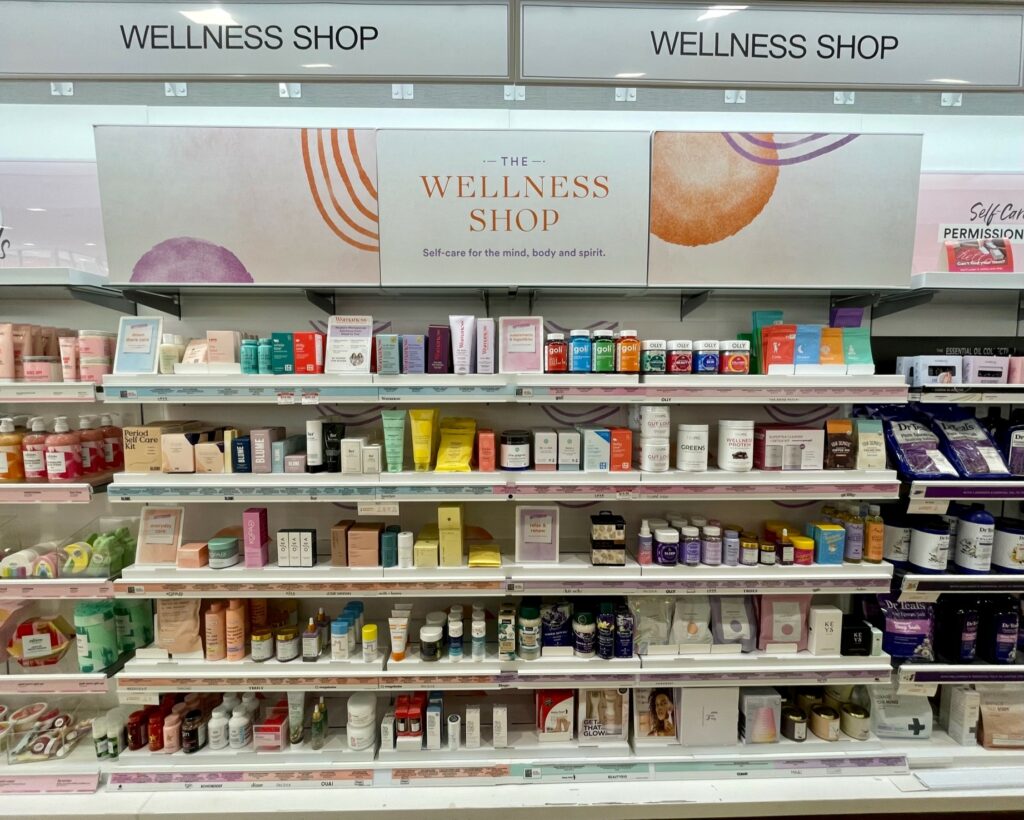
Ulta’s site offers navigation within its wellness assortment, which spans six wellness verticals: Everyday Care, Supplements & Ingestibles, Relax & Renew, Down There Care, Spa At Home and Intimate Wellness. Referred to as The Wellness Shop, the assortment contains products from over 150 brands, and a selection from it is in more than half of Ulta’s 1,300-plus stores. Sephora folds a substantial portion of its wellness brands into its Clean At Sephora assortment.
Bluemercury’s wellness assortment is housed within its online Home & Lifestyle category stretching across active lifestyle, aromatherapy, bath salts, stress and sleep, intimate care, candles, facial rollers, pre- and postnatal care, and supplements from more than sixty prestige brands the likes of Costa Brazil, Bloomeffects and Kjaer Weis.
Body care, supplements and intimate care are displayed in Blumercury’s nearly 200 U.S. locations. The remaining categories are online-only except during key periods of the year. It’s a formula that Stephanie Keene, director of merchandising at Bluemercury, says has been winning so far for the Macy’s-owned prestige beauty retailer.
She explains, “In many cases, selling wellness online can be better than traditional brick-and-mortar because we know that most customers do extensive research online, often on multiple websites, before purchasing.”
At brick-and-mortar stores, Keene notes that shelf space limits arrays of wellness products, with sizable fitness products and tools being the most difficult items to squeeze into tight spaces. Wellness tools are trending with Bluemercury’s prestige beauty customers at present. HigherDose’s $300 Red Light Face Mask has gone in and out of stock online since the retailer started carrying it last fall.
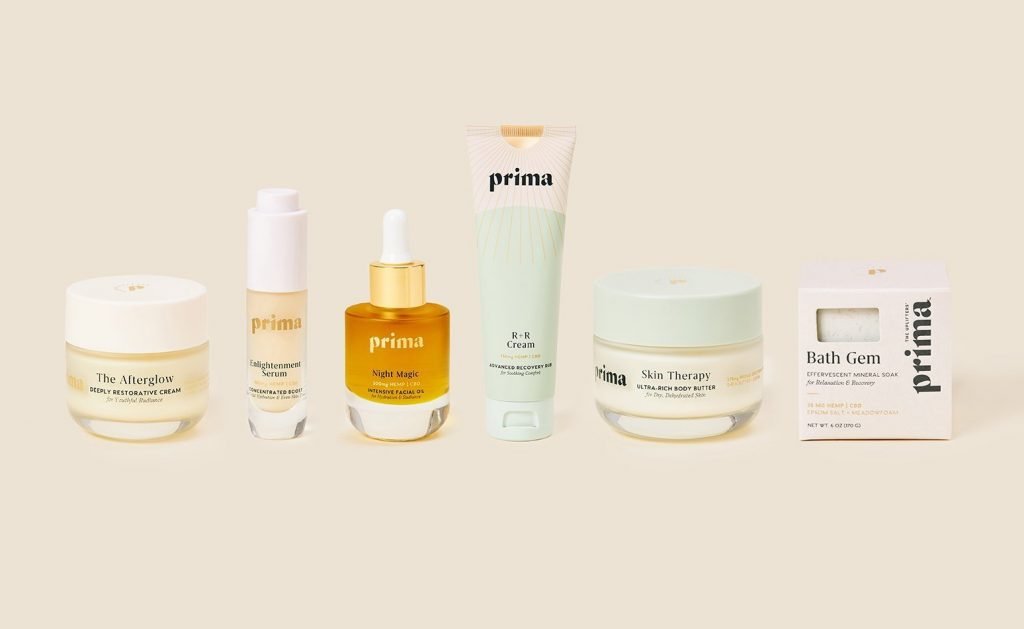
Prima sells most of its body and skincare products in stores. In contrast, its online direct-to-consumer subscription model plays an enormous role in supporting its supplement business. The disparity is partially due to regulations around CBD—or lack thereof—that inhibit retailers from entering the category, but also because it’s hard to convert customers to new supplement brands at stores.
Assaf says, “A new brand in a new category at a retailer that isn’t known for supplements still has a lot of challenges as there are multiple points of credibility that are often needed to sell something a customer is going to ingest.”
Dan Hodgdon, founder and CEO of Vegamour, says the haircare brand’s GRO Biotin Gummies and Ageless Gray Delay Hair Supplements rank in Sephora’s top 10 hair supplements, and the products perform stronger in stores versus online. Hodgdon chalks up the products’ success to the brand’s customer education and its healthy hair system that beauty advisors can easily cross-sell.
Supplement brands flourishing at beauty retail have established name recognition and zero in on beauty benefits such as hair strengthening and skin brightening. Sephora lists Hum Nutrition’s Collagen POP + Vitamin C Dissolvable Tablets and The Nue Co’s Skin Filter Vitamin A and Zinc Blemish + Brightening Supplement as top wellness products. Customers at The Detox Market are gravitating toward Agent Nateur’s Holi Mane, Evolvh’s Better Roots Complex and Moon Juice’s SuperHair, says Elena Severin, the clean beauty retailer’s senior director of merchandising.
Beauty retailers’ wellness selections have changed as they fine-tune them. Early to break into Sephora’s wellness assortment, The Beauty Chef, WelleCo and Four Sigmatic are no longer in its U.S. brand lineup. WelleCo is on Sephora’s Australian brand roster. Elizabeth Albrecht, senior manager of merchandising at Credo, says the clean beauty retailer is rationalizing its wellness assortment to hone in on supplements from skincare and haircare brands after previous issues selling vitamin brands.
An adroit combination of product curation and experiences fitting with a retailer’s unique value proposition can lead to a thriving wellness business. Mexmain says very few retailers have mastered that combo. She singles out Galeries Lafayette’s wellness space La Wellness Galerie as an example for retailers interested in merging products and services in a distinct consumer-centric environment.
For beauty retailers refining their wellness offerings, a clear internal roadmap for the category is crucial. “Somebody has to have the vision and passion to say, ‘This is where we’re going. Here’s the strategy and here’s what it’s going to look like in five years,’” says Arriagada. “They have to be speaking to a vision.”
Arriagada mentions Ulta as a beauty retailer plotting a comprehensive wellness strategy by defining and executing around category parameters. A “small part” of its total revenues, per the retailer’s fourth quarter earnings call, Ulta is betting on wellness having significant long-term potential. Penny Coy, VP of merchandising at Ulta, says ingestibles, skincare, bath and body products, and patches to boost energy and aid in relaxation and sleep are robust wellness product performers.
She adds sexual wellness and intimate care products from brands like Megababe, Love Wellness, Blume, SmileMakers and Unbound are resonating with younger consumers at Ulta. Gen Xers and baby boomers are shopping for devices at premium prices.
Assaf suggests that retailers test wellness category product mixes to determine what their customers value. She stresses it’s not possible for them to win everywhere. Assaf says, “Retailers need to know what they’re good at, focus on it, evolve as customer expectations evolve, but don’t leap to aspirational areas just because other retailers are succeeding at it.”
Lily Kunin, co-founder of New York wellness destination Clean Market, concurs that beauty retailers should lean into their strengths as they extend into into wellness. She views makeup-skincare hybrids that have clinical benefits like Saie Beauty’s new Hydrabeam Concealer as a sweet spot bridging beauty and wellness at retail. Lukacs advises that customers heading to beauty retailers for acne scarring or hair loss receive recommendations for omega oils and collagen supplements to supercharge the skincare and haircare products they’re picking up.
Retailers can establish wellness standards akin to what’s been done in clean beauty and identify chances for cross-selling between wellness and beauty to integrate their wellness and beauty assortments. Lukacs says, “People are confused if they should get their supplements now at Costco, Whole Foods, Amazon or Sephora. Trying to change people’s buying behavior really comes down to retailers setting their quality and standards.”
Beyond the scope of products, activations can facilitate interaction between customers and wellness brands. The luxury department store retailer Holt Renfrew held a collagen mocktail bar last year featuring Aura’s liquid collagen products. The brand sold through a month’s worth of inventory during the event. Formula Fig held a comparable event last year with Aura, and the brand will soon collaborate with grocer Erewhon on a collagen drink.
As consumers continue to connect the dots between outer and inner beauty, Sephora plans to expand wellness beyond its current representation in supplements, feminine care and sexual wellness. Cindy Deily, VP of skincare merchandising at Sephora, says, “We feel our greatest opportunity is to take a broader lens to our understanding of wellness and explore offerings that may fall outside of existing categories.”
Keene sees active lifestyle as the next frontier for wellness at Bluemercury. Launched in January last year, the subcategory has notched incremental sales for the retailer as customers snap up plant protein powders, weights, deodorants, yoga mats, cleansing cloths and sunscreens.
Assaf contends there’s plenty of opportunity left in supplements. Market research firm Grand View Research projects the global supplement market will advance at a compound annual growth rate of almost 9% over the next seven years. The growth could spur new retail concepts that are successors to The Vitamin Shoppe and GNC, but targeting women instead of men.
A few years back, supplement brands like The Nue Co. and WelleCo experimented with novel retail concepts, and they weren’t sustained. The concepts underscore the hurdles confronting new retail innovation, but demonstrate health, fitness and beauty concepts can be reimagined. In 2018, Kevin Mullaney, CEO of retail consulting firm The Grayson Company, told Beauty Independent, “We’ll see tons more of this concept happening. Everybody is going to get in and, then, it’s just going to blend with the regular world of just health and beauty.”
At beauty retailers, Arriagada predicts wellness will evolve on a similar trajectory to clean beauty, and mental health, oral care and menopause will command greater real estate at beauty stores. She says, “But we’re nowhere near that now. At the beginning of the journey, retailers need to categorize it, give it attention and shelf space. Give it whatever it needs until it becomes mainstream.”
This story was updated with new information on Tuesday, February 7th.
The players
5 mentionedUnder Your Skin

AS Beauty
Better Being
Too Faced
The Vitamin Shoppe