Beauty's Steep Discounts: A Death Spiral Or Sensible Sales Stimulant Amid Consumer Caution?
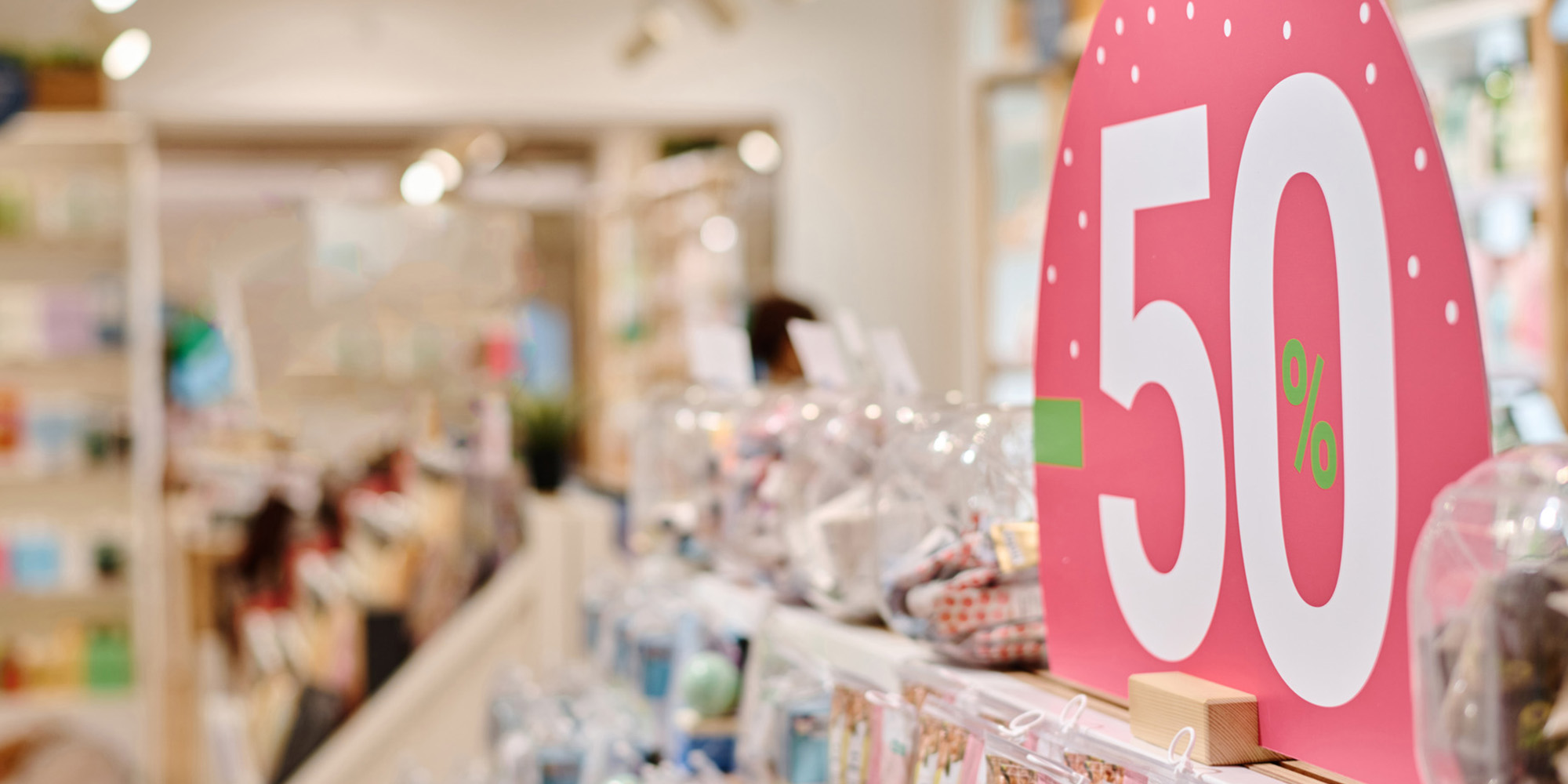
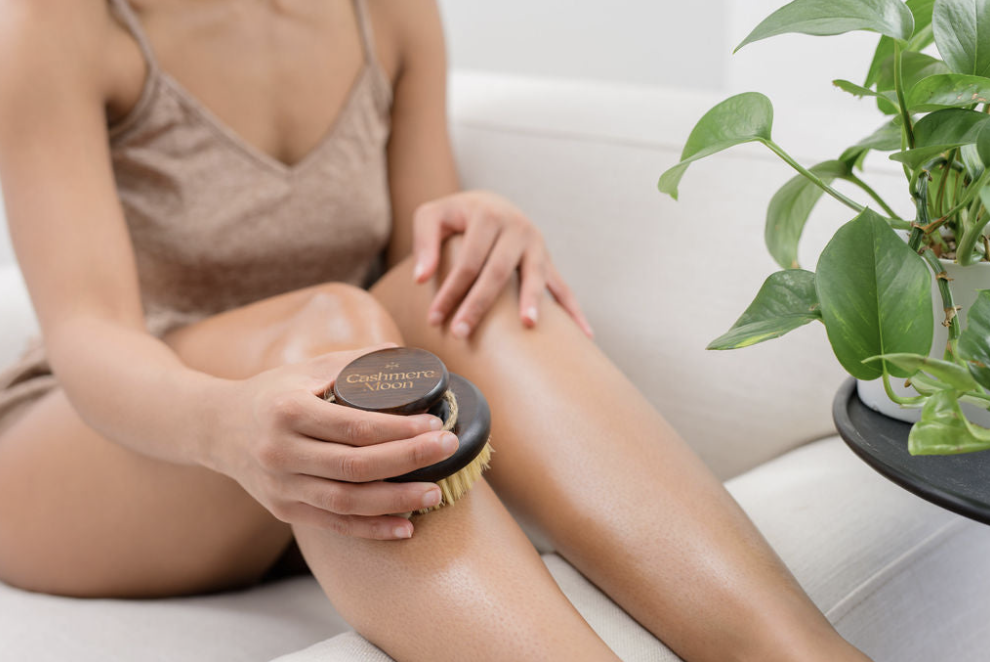
Even before Halloween this year, beauty brands were luring customers with discounts of 30% or above. The shampoo bar brand Vunella Naturals had a Halloween promotion where it gifted customers $18 in store credit on its website for 24 hours. Its individual bars normally retail for around $15. Body care brand Cashmere Moon is currently offering Black Friday deals of up to 50% on select products, and fragrance brand Dossier is giving 40% off all items on its website. For the entire month of November, skincare device brand Solawave is running a buy-one-get-one promotion where customers can receive a second product of equal or lesser value for free with every purchase made on its site.
The discounts have shocked some in the beauty industry, which has traditionally not been as promotional as other categories. The pricier echelon of the industry has specifically been considered a bastion of limited discounting. That appeared to change prior to the pandemic, prompting the publication Women’s Wear Daily to ponder in 2018 whether beauty was entering a discounting spiral mimicking the apparel industry. Many of the conditions and fears that prompted that speculation haven’t disappeared and are exacerbated in an environment that’s seen direct-to-consumer brands pursue desperate measures to stay afloat and indie beauty brands and stores struggling amid fierce competition and higher costs.
But data on beauty discounting may provide comfort to doomsters. Although the outcome of the holiday season will deliver clarity on the extent of the discounts, beauty hasn’t been besieged by them. Market research firm Circana reports that the average discount rate for beauty sat at about 19% for the year ended in July, a lower rate than fashion. Data from consumer intelligence firm NIQ shows that bath and body, haircare and hand and body lotions in the mass category are experiencing the deepest discounts in beauty this year, registering reductions of 13.7%, 12.4% and 11.2%, respectively.
Overall, NIQ finds that the percent of dollars sold on promotion in mass beauty declined during 2020, and they’ve yet to return to pre-pandemic levels. However, the frequency of promotions is on the rise. NIQ reports that the number of weeks that mass beauty products were available on promotion have been increasing since 2020, but 2019 still exhibited a greater discounting frequency.
Beauty product discounting isn’t being done in a vacuum. Across merchandise categories, discounting is set to drive holiday spending in a big way this year, according to Adobe Analytics. Consumers are forecast to increase use of buy now, pay later services and flock to “never-before-seen” discounts of up to 35% off on toys, 30% off on electronics and 25% off on apparel. The National Retail Federation predicts that holiday sales will climb a modest 3% to 4% to land between $957.3 billion and $966.6 billion this year. The trade organization points out that the growth rate is in line with the average annual increase of 3.6% from 2010 to 2019.
Neil Saunders, managing director of data analytics firm Global Data, says the heightened promotional activity this holiday season is due to cautious consumers confronting economic headwinds such as persistently elevated inflation. Global supply chain disruptions that impacted inventory levels last year play a role, too. “While inventory levels are not severely elevated, the shortages we have seen over the past few years have disappeared, so there will be more of a focus on trying to sell-through product which, in turn, stimulates discounting,” he says. “In some categories, inflation has dropped back and costs are down a little for retailers, so there is more scope to discount.”
Jacqueline Flam, SVP of beauty and OTC retail at NIQ, points out that beauty discounts are occurring as consumers are generally paying more for everyday products due to post-pandemic price hikes. She says, “It is critical to note that with the compounding effects of inflation in CPG, including beauty, consumers are spending 34% more in the past 3-plus years and 8.4% more than last year.”
Quinn Roukema, partner at beauty brand incubator Gloss Ventures, owner of beauty brands Sacheu, Glossmetics and Pursuit, figures that post-pandemic inventory fluctuations and retailers looking to move beauty products with 24- to 36-month expiration dates are spurring the deep discounts popping up in beauty. He says, “We would expect to see larger discounts on those particular products and lesser discounts on core-strategy or healthy inventory items that already sell at high velocity without discounting.”
Discounting is a perennial tactic because it often works. Tisha Ayers, founder of Cashmere Moon says, “For customers, they’re able to save huge on some of their favorites while brands, and companies are able to sell surplus or prepare for new or more inventory. So, I think it’s a win-win for everyone.” She describes results from Cashmere Moon’s 50% deal, which extends from Nov. 1 to 24, as “phenomenal.” She says, “We are definitely selling out. I think the rest of the month’s sales will be pretty consistent and likely increase towards the end of the sale.”
Out of all of the beauty industry players sounding the alarm about discounting, small multi-brand beauty retailers may be sounding it the loudest. Dara Kennedy, founder and CEO of upscale beauty boutique Ayla, believes beauty brands’ generous discounts are training consumers to wait for savings. “I can understand how over time there’s a temptation to do it more, especially during times when you need that extra boost in the short term, but it really does erode the value of your brand,” she says. “It creates an automatic belief on the consumer’s part that what you offer isn’t worth its full price, and you just get locked into this cycle that is not healthy.”
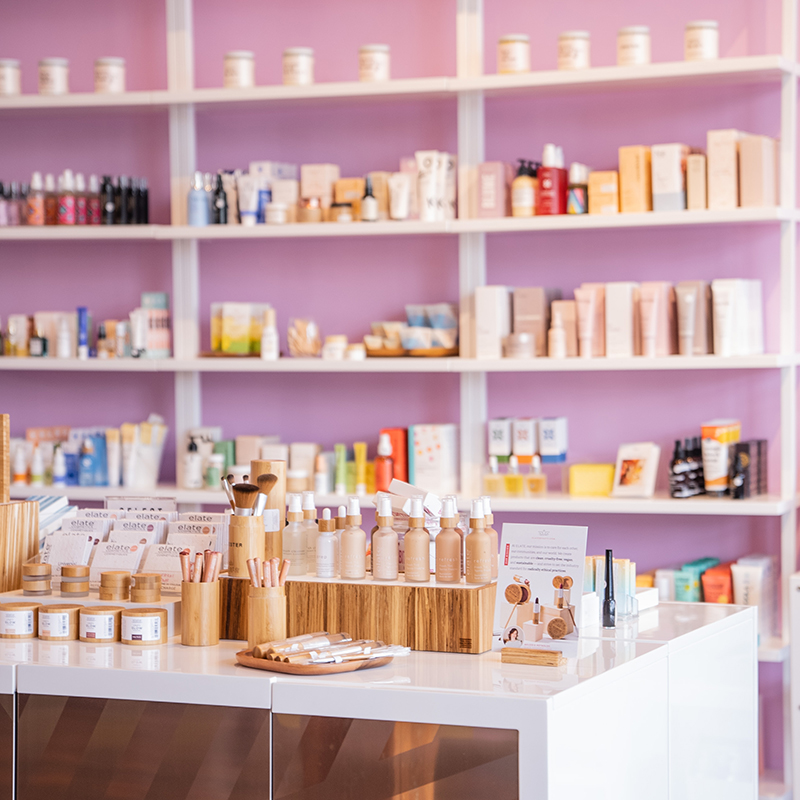
Jaleh Bisharat, co-founder and CEO of NakedPoppy, a clean beauty retailer that’s shuttered its online store, cites deep discounting by brands as one of the main reasons why the business didn’t last. “The market became increasingly competitive as the number of beauty products proliferated and the economic environment became more uncertain over the last 18 months,” she says. “We got product returns from people saying things like, ‘I found a discount directly with the brand, so I’m sending these back.’ These are especially painful because we can’t resell returned beauty products.”
Bisharat continues, “We even had one brand specify that we were not to discount their products without written permission. The brand is a luxury brand and well known for holding the line on pricing. Imagine our surprise when our feed was recently filled with ads for 25% off their entire site.”
Jennifer Tinsley, founder of Field Botanicals, says its brand partners are becoming more transparent about their promotional strategies in response to the clean beauty retailer’s complaints. Previously, a brand had used the retailer’s social media content to promote its own site. Tinsley says the incident was amicably resolved, but underscores how easy it is to undermine the brand-retailer relationship.
“Communication is key, and I deal with a lot of brands that are small enough that I work directly with the founders. It’s when brands get a little bit bigger that there’s some communication breakdown that happens and marketing practices become more and more corporate,” she explains. “At that point, I hate to use the word ‘collusion,’ but everybody starts out-discounting each other, and it becomes a race to the bottom.”
Saunders acknowledges it’s tricky for brands to devise promotional strategies that propel sales on their sites without undermining their stockists. “We live in an omnichannel world where consumers research extensively for the best prices and offers,” he says. “If a retailer sees a brand selling at a lower price then they will sometimes ask the supplier for a rebate so they can lower prices or offer a promotion, too.”
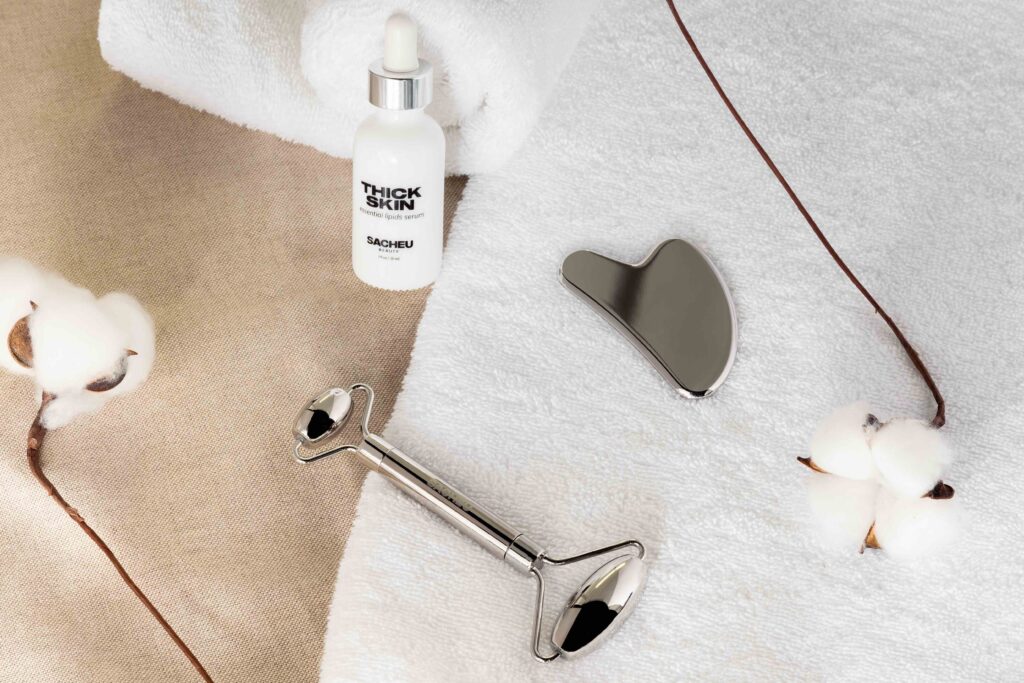
Roukema has noticed brands are starting to coordinate their campaigns more effectively throughout their sales channels. Price-matching software is helping in that regard. Sacheu recently ran a promotion that rewarded customers with $30 in free cash to spend on Sacheu’s site in exchange for shopping the brand’s assortment at Ulta Beauty. Customers could earn an additional $30 on the brand’s site if they posted about their Ulta visit on TikTok. Roukema declined to comment on the outcome of the promotion.
To ensure retail partnerships remain intact, Kennedy implores brands to let their retail partners in on their promotional plans and allow them to match their discounts when possible. If price-matching isn’t feasible, gifts-with-purchase, limited-edition products and other exclusive in-store promotions are beneficial for creating value for small retailers that can’t survive on deep discounts.
Tinsley observes that more brands are offering early Black Friday/Cyber Monday wholesale discounts in the summer to enable their retail partners to stock up on product and match intended discounts. She says, “I really like this approach because it ensures our margins can be met and allows flexibility for us to promote the brand.”
One of Field Botanicals’ brand partners has developed exclusive gift-box packaging so the retailer can create custom gift boxes for its customers. Tinsley says, “Brands are having a lot of these conversations with their retailers and trying to help where they can, but the fact is that the cycle of deep discounting has to stop. In the end, it devalues both brands and the retailers.”
The players
5 mentionedAS Beauty

Dossier
Sacheu Beauty
Gloss Ventures
Ulta Beauty