Beauty’s New Wave Of Science-Backed Brands Brings Fresh Energy To The Derm Channel
It’s hardly surprising, then, that a new class of science-backed skincare brands that trade on trust and clinical proof is turning to dermatologists’ offices for marketing and sales acceleration as the traditional retail landscape fragments and other sources of authority lose credibility. Although the medical channel is a well-worn path for brands, these new entrants break from the past by attempting to balance the strategy with strong direct-to-consumer businesses while courting dermatologists eager for relevant brands to help keep their practices thriving, many now part of private-equity–backed groups under pressure to expand patient reach and revenue.
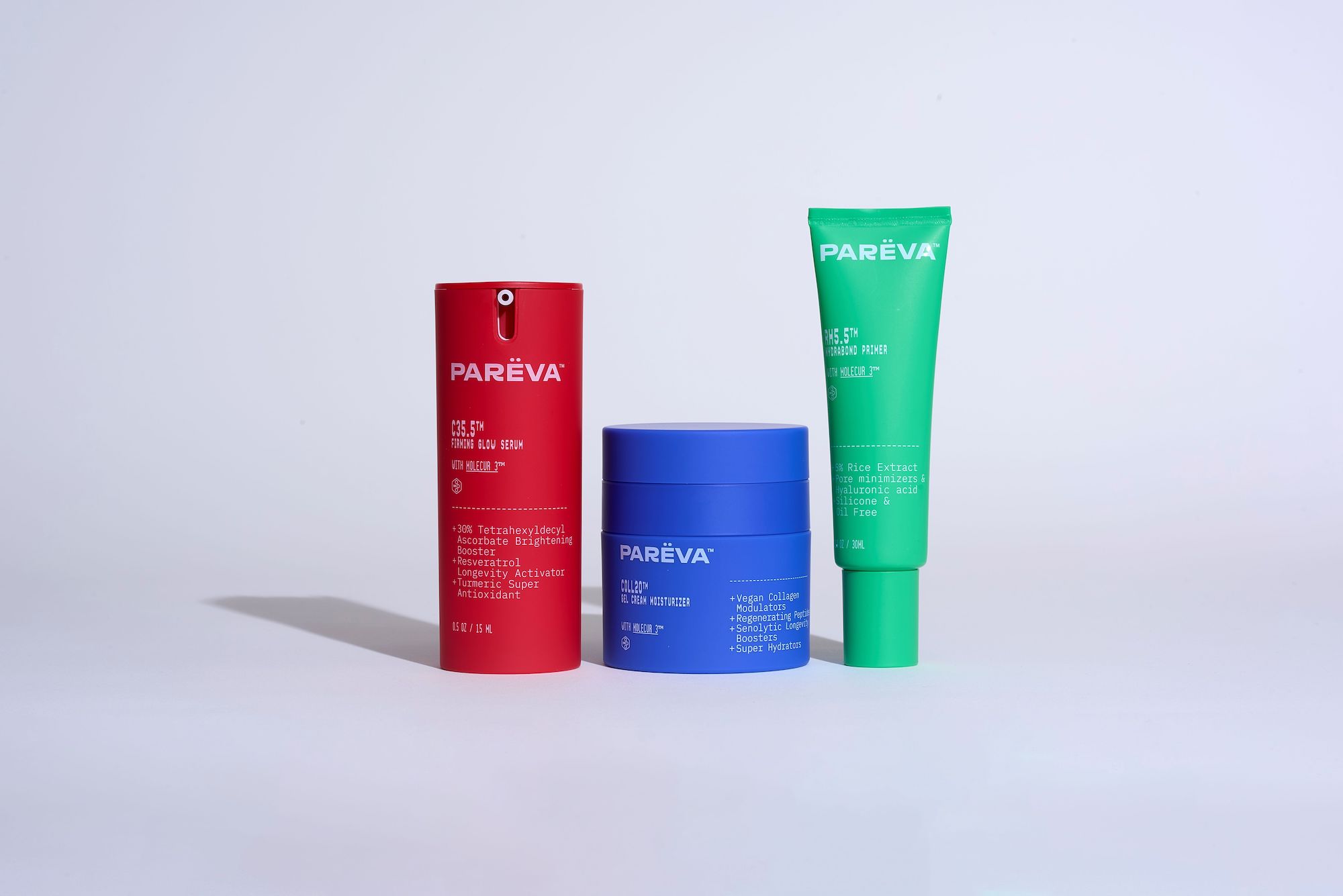
“This is an intentional channel strategy,” says Smitha Rao, a microbiologist and former StriVectin executive who launched Parëva Beauty last year. “It credentializes the brand, credentializes the science, credentializes me as the founder because, when you have science-led people talking about something and validating it, the halo effect is very big.”
Designed with DTC in mind with bright packaging and longevity-laced messaging, the professional channel is driving 23% of Parëva Beauty’s revenue, and it’s anticipated to hit 30% by the end of next year. Later this year, the brand plans to launch professional-only products to grow its current product roster of three facial items priced from $49 to $74.
For one of the upcoming professional product releases, Parëva Beauty teases it will be partnering with tastemaker dermatologists, including those connected to ReJuva Aesthetics & Wellness and Embrace Skin and Wellness, where the brand is conducting clinical studies. At the brand’s launch past year, dermatologist Hadley King hosted an event for it. “We believe that bringing in experts, people who know skin and touch skin every day, is going to only amplify the foundation of good science, which is what we stand for,” says Rao.
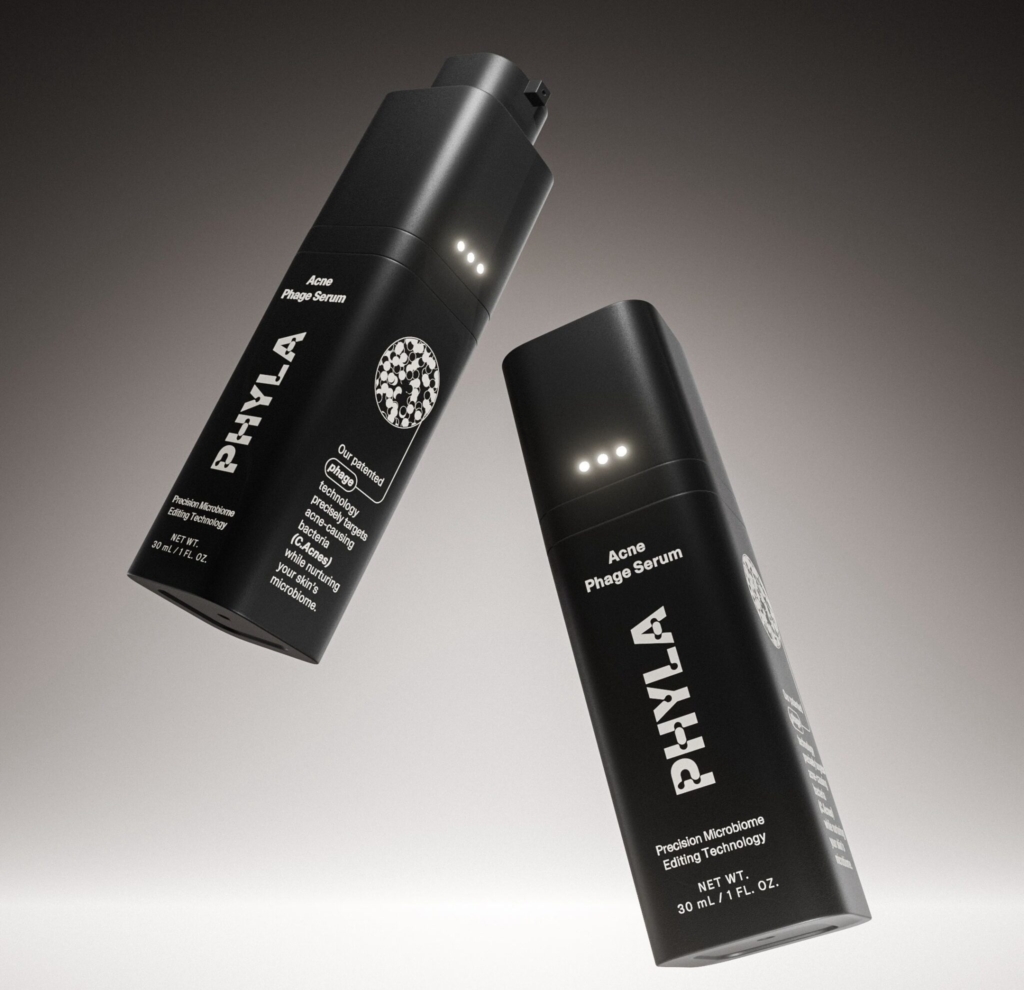
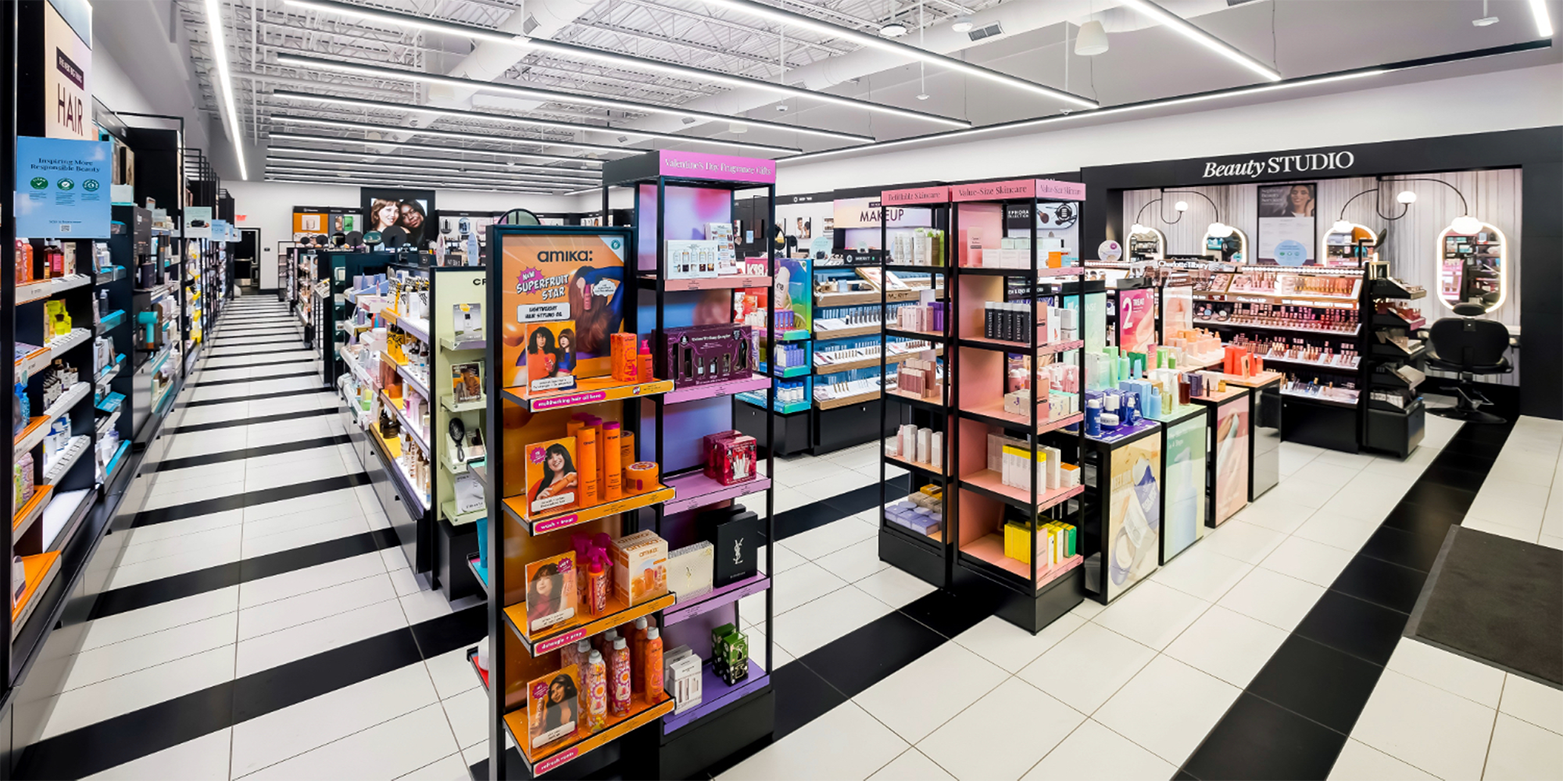
The upsides of the medical channel aren’t lost on Phyla CEO Neil Giugno either. Looking to scale the targeted acne treatment brand beyond Sephora, he identified dermatologist offices as a prime opportunity. In traditional retail, it’s difficult for Phyla to stand out from the noise. “We’re competing with 2,600 other brands and all their SKUs. No one’s really paying attention to what’s behind the products,” says Giugno. “I never thought that was the right business model for us.”
Relative to stores, dermatologists’ offices excel in patient relationships and communication. At them, the science behind Phyla’s phage system can be conveyed in a way that’s nearly impossible on Sephora shelves, and Phyla’s products, priced from $30 to $70, are a welcome alternative to side-effect-laden prescription drugs such as Accutane commonly prescribed by dermatologists for chronic acne. Phyla launched with Advanced Dermatology and Cosmetic Surgery, which has more than 160 offices in 14 states, a year ago and is onboarding med-spa partners.
The professional channel has helped Phyla gain sticky customers. The brand’s repeat purchase rate is around 52%, with most customers repurchasing within three months of the initial purchase. Phyla has developed a professional-exclusive, high-concentration version of its Acne Phage Serum for in-office treatment use.
Phyla and Parëva Beauty are charging ahead in the dermatology channel as the professional skincare market is on the upswing. Other emerging brands are expanding into the dermatology channel as well, including botanical skincare line Phoilex, adult acne brand Cool as a Cucumber and dermatologist-founded deodorant label Surface Deep. The market research firm Research and Markets projects the professional skincare market will grow 6.3% this year to reach almost $46 billion, powered by rising demand for clinical skincare and aesthetics services, awareness of dermatological health and med-spa proliferation.
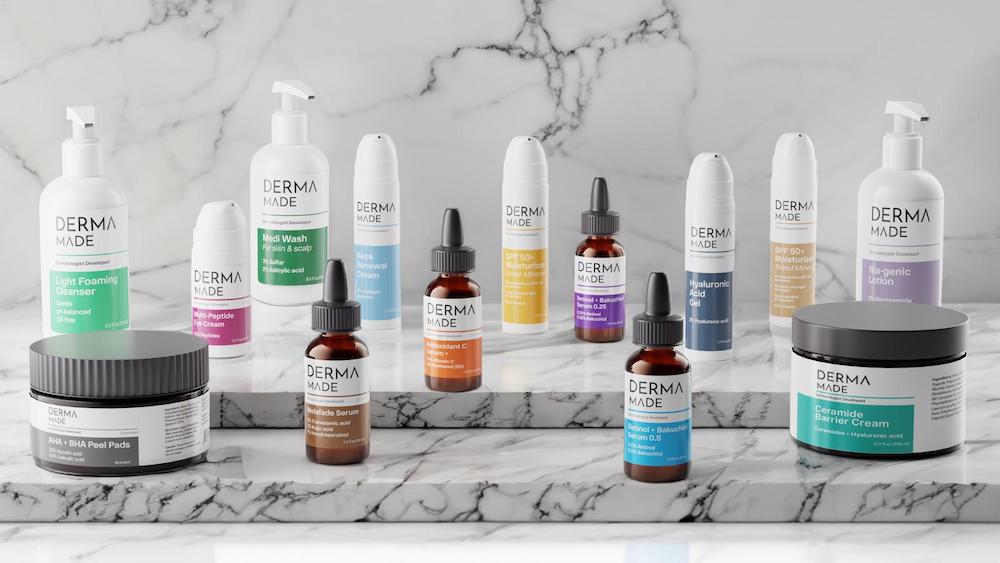
Generally at 50%, the margins for skincare brands in the professional channel can be better than those at big-time beauty retail. However, discounting and sales support can erode those margins. Derma Made, a professional skincare brand acquired by medical device manufacturer Newmedical in January, provides its doctor partners with 50% off codes for patient purchases on the brand’s website. The referring doctor’s office receives the difference between the wholesale and retail price. Newmedical CEO Martin Floreani expects Derma Made, available at more than 20,000 doctors’ offices and med-spas, to at least triple its sales in the next two years.
Patti Pao, founder of Restorsea, a skincare brand with a long history in the dermatologist channel, says that brands can break even in the channel faster than at traditional beauty specialty retail, estimating breakeven at $3 million in sales versus $10 million at a beauty specialty retailer. Unlike doctors’ offices, retailers foist expenses for displays, loyalty programs, gratis and more onto brands that eat into margins.
Pao notes that private equity consolidation can make it easier to negotiate with many offices simultaneously and is a major tailwind for premium skincare brands pursuing dermatologists’ offices. Many private practice dermatologists and surgeons offering aesthetic services take cash only, with an average unit sale of $2,400 to $4,000, and see about eight to 12 patients a day.
“These people spend at least an hour with their patient,” says Pao. “They have time to talk to them about these add-ons, and because the average unit sale is pretty high, tacking on another couple hundred dollars for skincare is easy.”
The professional channel isn’t without challenges. There can be high barriers to entry for independent brands competing with conglomerates like L’Oréal, Galderma and Allergan. There are about 12,000 dermatologists in the United States. Groups such as Advanced Dermatology and Cosmetic Surgery and Camino Partners-backed Well Labs+ are the minority. Most dermatologists operate as sole proprietors or single-door businesses, though larger practices are an increasing portion of the landscape.
Dermatologists want to know a skincare brand can produce results, and white papers and peer-to-peer publications are important, but that kind of research can be pricy for brands. “The barrier to entry with dermatologists is very high,” says Rao. “They ask, ‘Show me your clinical studies. Show me your white papers. Show me your testimonials. I want to understand more about your ingredients.’ So it’s a slower build, but it is a sustaining build, in my opinion.”
To get in front of roughly 20,000 doctors, Parëva Beauty and Phyla attend medical conferences such as the American Academy of Dermatology annual conference, which has an exhibition hall for brands hoping to meet prospective partners. Parëva Beauty has spent a six-figure amount on trade shows. For AAD, it will bring 4,000 samples of bestseller COLL20 Gel Cream Moisturizer.
Once a brand is picked up by a dermatologist office, its job doesn’t stop. Phyla supplies partners with in-office collateral such as lookbooks of before-and-after photos and reviews. Parëva Beauty has invested in a field sales team, sampling, training and education for the medical channel, though she declined to share how much she has spent on these initiatives. She says, “We have an incredible sensory experience, so being able to have our field teams go in and say, ‘Look here, check it out,’ has been a very valuable asset for us.”
For more than two decades, clinical skincare brands with traction in the professional channel have often been acquired by larger companies, beginning with L’Oréal’s purchase of SkinCeuticals in 2005. Deal activity in the space has intensified in the past five years, with notable transactions including Waldencast’s acquisition of Obagi, Galderma’s purchase of Alastin and L’Oréal’s takeover of Skinbetter Science. Earlier this month, new brand holding company KYT Group made its first deal with the acquisition of Glo Skin Beauty, a plastic surgeon-founded premium skincare range with distribution in roughly 5,000 accounts in the U.S.
A number of the newer entrants are also attracting investor interest. Parëva Beauty raised an undisclosed amount of pre-seed funding prior to its launch, while Phyla has secured $9 million to date from investors including Shiseido’s venture capital arm LIFT Ventures and incubator Squared Circles. Last year, professional skincare brand Epicutis raised $10 million in series B funding.
Market research firm Kline & Company has pinpointed Ourself as a potential acquisition candidate. The brand was developed by biotechnology company GLO Pharma and is sold primarily via DTC, but has a presence at dermatologists’ offices, too. Ourself’s annual revenue is estimated to be under $10 million, a small fraction of the $70.3 million the brand has raised, a total that reveals investor bullishness around science-centered professional skincare.