Ami Colé's Closure And The High Price Of Trying To Compete At Sephora
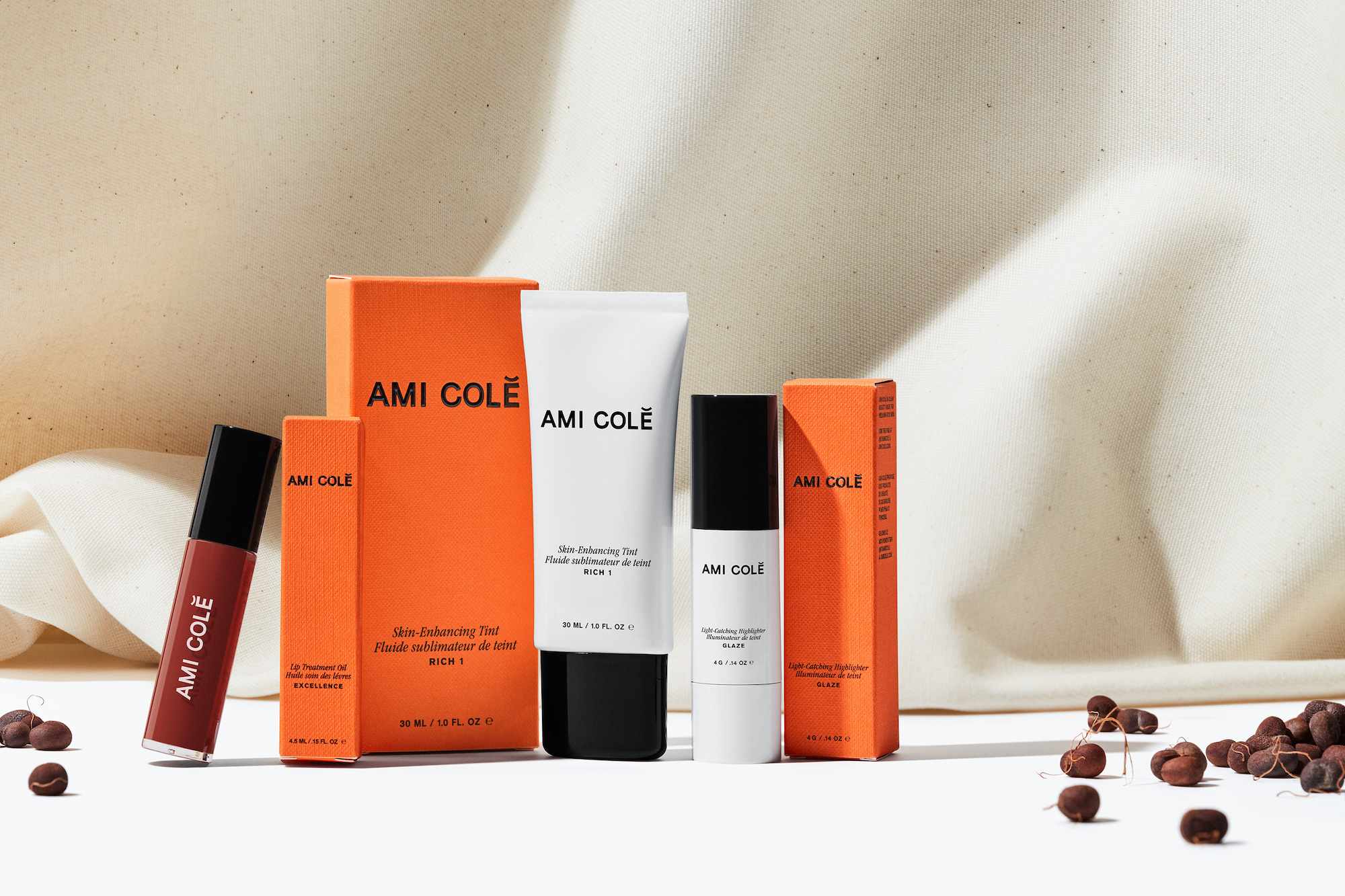
Yet, when a brand as high profile as Ami Colé closes, it’s shocking. Its founder Diarrha N’Diaye-Mbaye had the “right” professional background. She was previously a social media manager at Temptu and L’Oréal and a product developer at Glossier. It had the “right” investors. L’Oréal’s venture capital fund BOLD, True Beauty Ventures, Imaginary Ventures, Greycroft, Debut Capital and others backed it to the tune of around $3 million in funding.
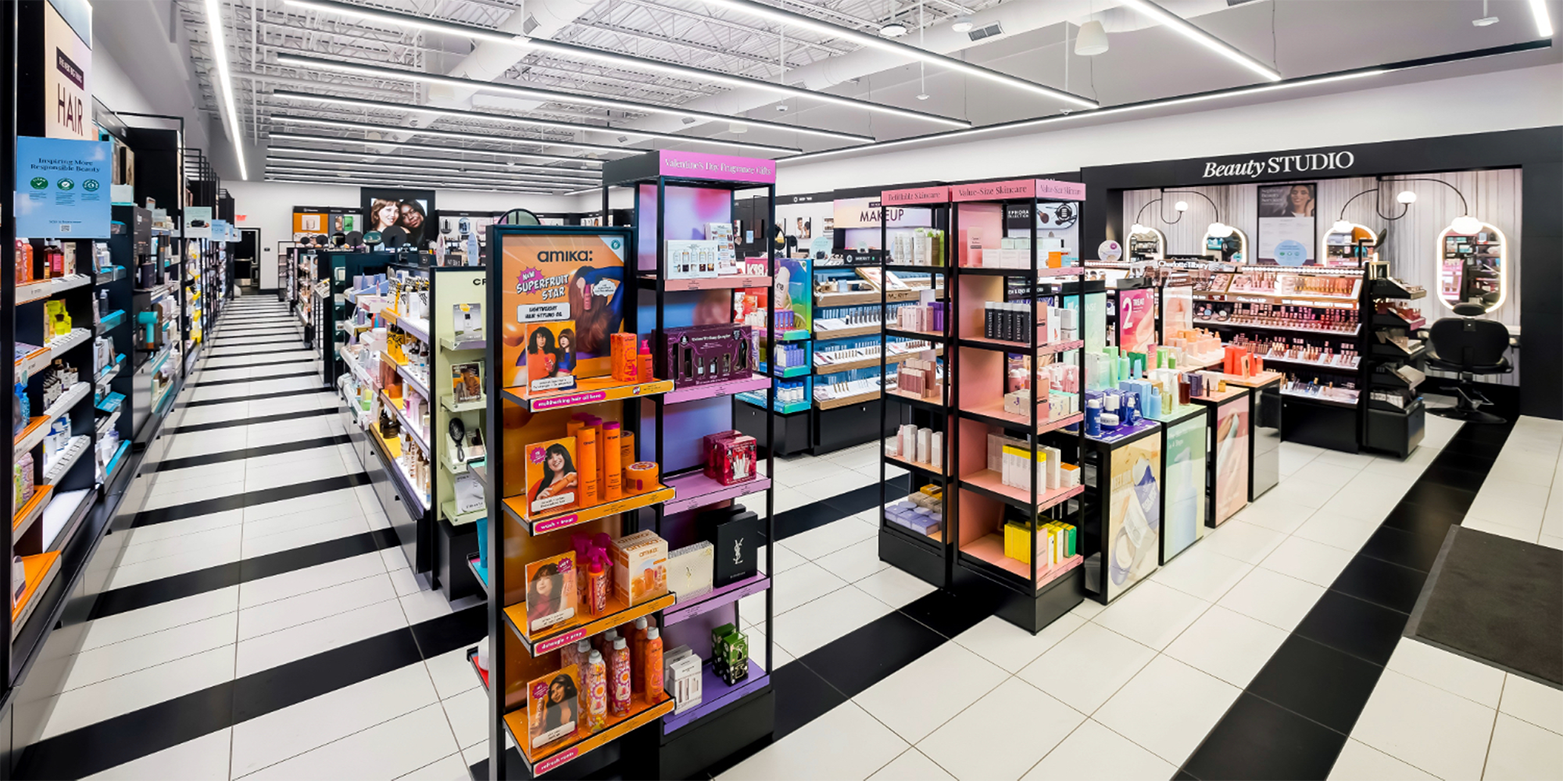
It had the “right” retail partner. In 2022, Ami Colé entered Sephora in the Next Big Thing displays, where the retailer presents and tests emerging brands, and by 2024, moved beyond the displays to 600 doors. At the time, N’Diaye-Mbaye told Beauty Independent the brand was approaching $3.5 million in annual sales.
Still, Ami Colé will cease to exist come September. N’Diaye-Mbaye attributes the closure, at least in part, to the very real difficulties of being a Black entrepreneur, particularly in the post-DEI era, budgetary constraints in a market where the bill for capturing attention is ever-increasing, and the pressures and expense of scaling at Sephora, where its competition has greater firepower. (See Rhode’s up to $1 billion payday in advance of its launch at the retailer later this year).
In a piece for The Cut last week, N’Diaye-Mbaye wrote, “I invested heavily in marketing and prayed. But I couldn’t compete with the deep pockets of corporate brands; at retail stores, prime shelf space comes at a price, and we couldn’t afford it. As we tried to grow, our sales wavered. We made operational decisions that felt necessary at the time — like scaling up production to meet potential demand — without truly knowing how the market would respond. One week we’d be completely sold out because an influencer mentioned us; the next, we’d be stuck with inventory we couldn’t move.
Instead of focusing on the healthy, sustainable future of the company and meeting the needs of our loyal fan base, I rode a temperamental wave of appraising investors — some of whom seemed to have an attitude toward equity and ‘betting big on inclusivity’ that changed its tune a lot, to my ears, from what it sounded like in 2020.”
For this edition of our ongoing series posing questions relevant to indie beauty, reflecting on Ami Colé’s impending shutdown, we’re diving into what it takes for a makeup brand to realistically make it in big-time retail. We asked 11 cosmetics entrepreneurs, consultants and investors the following: What unique challenges do makeup brands face when trying to gain traction in the market versus beauty brands in other categories? What sort of funding would it need to successfully enter Sephora or Ulta? If you were to create a makeup brand today, what should it have to give it the highest chances of success?
The players
5 mentionedGlossier

AS Beauty
Too Faced
Rhode
Sephora