Amazon Clamps Down On Dubious Supplement Claims
On April 2, the giant e-tailer instituted a policy requiring supplements selling on its platform to be tested, certified and provide documentation from one of three third-party testing facilities: Eurofins, NSF International and Underwriter Labs. The facilities have to verify that the supplements are manufactured in adherence to Current Good Manufacturing Practices (CGMPs) and exclude contaminants like heavy metals and pesticide residues. In addition, the ingredients listed on supplements’ labels must be in their formulas, and there can be no disease claims and undeclared pharmaceutical ingredients.
Brands with products that Amazon deems to be running afoul of the policy are given 30 days to submit lab testing before product delisting, although some brands have reported that their listings were suspended immediately upon receiving a notification from the company. Supplements with certifications from the nonprofit certifying body NSF that are renewed annually are in compliance with Amazon’s new requirements. Brands can tap ISO 17025-accredited labs for testing, too, but Amazon’s third-party testing partners have to vet the results.
“Amazon’s gonna get crazy about enforcement,” said Ian Lamont, an Amazon seller and founder of Lean Media Consulting, in a YouTube video posted in January. “I think hundreds if not thousands of supplement sellers…are going to get penalized in a big way unless they show these…really detailed and expensive certifications.”
Amazon’s new policy and enforcement push reflects a feeling that the platform is awash in supplements peddling faulty claims that are increasingly coming under scrutiny from the government, consumers and other retailers. Marc Bruggemann, senior brand manager at Amazon growth agency Cartograph, says, “The reality is Amazon does need to get cleaned up. We consistently see products failing to meet label claims. It is a huge issue. I think the net effect here could be positive, but time will tell.”
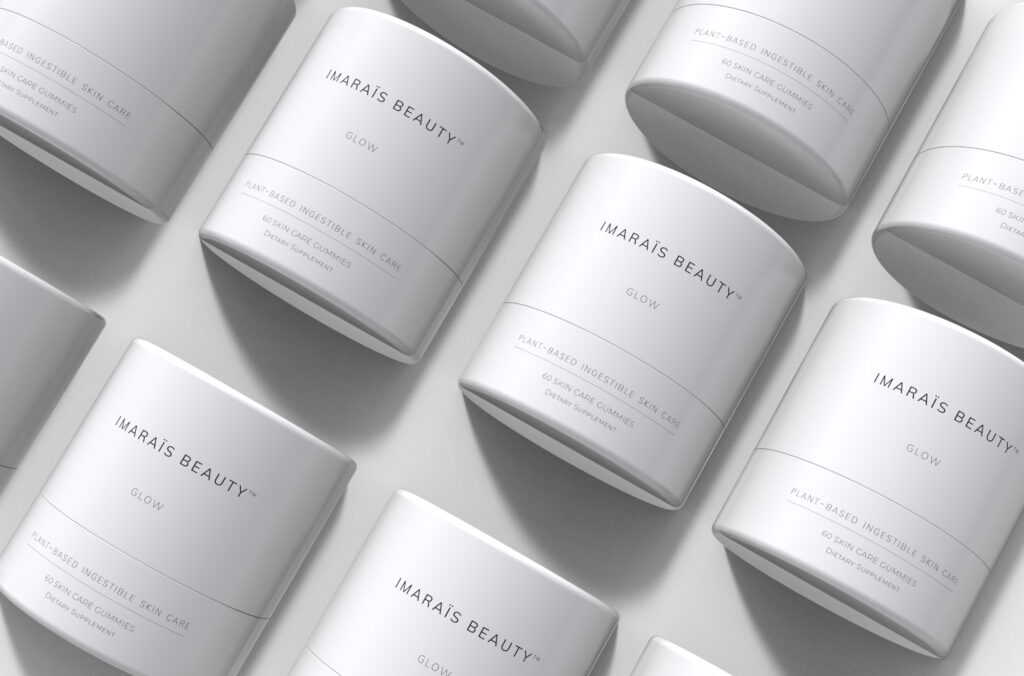
Aaron Hefter, CEO of supplement brand Imaraïs Beauty, agrees that Amazon’s stricter supplement policy could have a positive impact on the industry. He says, “In an unregulated U.S. supplement industry that can be the Wild West at times, this is definitely a push in the right direction with regards to quality standards and weeding out brands that are not manufacturing true to label claim and ingredient potency.”
Bruggemann estimates that about 5% of supplement brands sold on Amazon have been affected by the policy change so far in the categories of sexual enhancement, weight management, sports nutrition and bodybuilding. He believes that all supplement brands sold on Amazon will eventually fall under the policy’s scope.
“If Amazon established a track record of distributing adulterated supplements, they could be hit with charges under the FD&C Act [Federal Food, Drug and Cosmetic Act], which prohibits the manufacture or distribution of dietary supplements or cosmetics that are intentionally adulterated, misbranded or mislabeled,” he says. “Amazon isn’t stupid. They’re aware of the risk that they’re under. So, this program is kind of an answer to that.”
Amazon’s heightened supplement policy follows a warning letter it received from the FDA last December. In the letter, the FDA stated that seven supplements it bought on Amazon included ingredients not listed on their labels and undeclared ingredients that could be dangerous if they interact with medications. Furthermore, six out of the seven supplements failed to meet the FDA’s standards for dietary supplement classification.
The FDA regulates the types of ingredients allowed in dietary supplements and claims that can be made about an ingredient or finished product, but stops short of approving supplements in advance of them being on the market. Under the Dietary Supplement Health and Education Act of 1994 (DSHEA), manufacturers and distributors must ensure that every supplement they produce is safe and accurately labeled.
Governmental oversight hasn’t kept up with the ballooning supplement industry. In 1994, there were over 4,000 supplement products on the market, and there are north of 95,000 today. Bruggemann says the FDA is “grossly understaffed” and has about 15 employees working in its dietary supplement division at the moment.
Due to the oversight vacuum and to build trust in their supplement assortments, retailers are implementing their own supplement rules. CVS instituted a program it calls Tested To Be Trusted in 2019 mandating supplements sold in its stores and online to be tested by a third party. Walmart and The Vitamin Shoppe audit their private-label supplement brands, but don’t stipulate that outside brands have to be tested by a third party.
Amazon introduced its first supplement policy in 2020. That policy required that supplement sellers submit certificates of analysis (COAs) from ISO/IEC 17025 accredited labs and letters of guarantee validating that their products were manufactured in compliance with CGMPs. The policy led to many supplements being delisted. Prior to 2020, there were virtually no requirements to sell supplements on Amazon.
“The concept of retail regulation is controversial, but will only rise as the industry grows without new federal oversight,” says Lindsay Dahl, chief impact officer at Ritual, a supplement brand that launched on Amazon two years ago. “Ritual welcomes initiatives that help push our industry forward, better protect consumer safety and drive accountability.”
Not all brands are happy with Amazon tightening its supplement policy. On Seller Central, an online hub for Amazon sellers, a seller in Southeast Asia commented, “I tried the lab request, and they quoted a price that is more than 10 times higher than the current market price. So in short, now we must pay a 10 times higher price to sell on AMAZON, and payment goes directly to AMAZON partnered laboratories. I hope that AMAZON is rolling out this policy for safety concerns for real, other than for other purposes.”
In a webinar Amazon held for supplement sellers on April 17, the company approximated that the cost for third-party testing could range from no money if a product is already NSF/ANSI 173 certified up to “many thousand dollars.” Bruggemann has seen figures between $6,000 and $8,000 for third-party testing in the sexual enhancement category. Dahl says Ritual typically spends “hundreds of thousands” of dollars annually on product testing and validation.
“If you’re already doing your due diligence, you should not be getting hit with these bills,” says Bruggemann. “It’s painful to say, but this does apply to a lot of people in the industry. If you’re not getting your products tested, you’re the reason that this policy exists.”
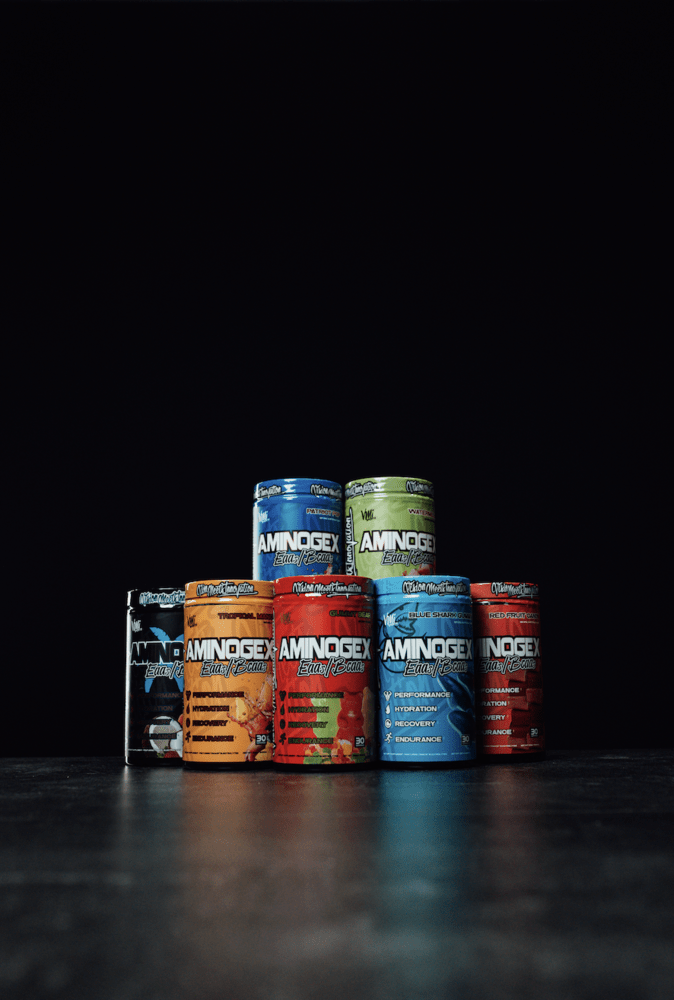
Tom Reilly, president of supplement brand VMI Sports, underscores that brands must build testing costs into their business models to compete in the supplement market. “You’ll see a lot of sellers and brands that say, oh, they’re picking on the little guy,” he says. “These are the requirements to sell in this business. So, either don’t be in the business or don’t sell on Amazon or both.”
Hefter concurs that supplement brands should be prepared for the costs and lengthy timelines that can come with third-party testing. “Brands that are using third-party manufacturers will also need to be absolutely confident in their manufacturing partner because, for most brands, this now will be a new level of transparency added to the relationship,” he says. “If a batch does not pass label claim, there will be huge costs and issues for everyone involved.” He adds third-party testing costs “will not heavily affect brands that hold significant inventory, but smaller brands that have a running minimum MOQ will definitely feel the effect.”
In the short term, brands and agencies predict that Amazon could lose supplement sellers as it implements its new testing requirement due to non-compliance and testing expenses. In the long term, they argue it could be good for Amazon’s sales. Hefter says, “If Amazon promotes this new transparency initiative correctly and other major supplement retailers don’t follow suit, I think Amazon will win over consumers and take over even more market share in the space.”
The players
5 mentionedCost Of Doing Business

Momentous
Better Being
AS Beauty
The Vitamin Shoppe